
 EN
EN



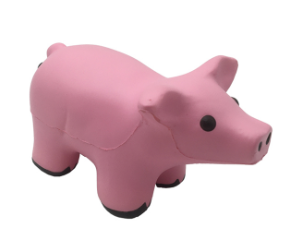
Employee wellness programs have evolved significantly in recent years, with organizations recognizing the critical importance of supporting mental health and stress management in the workplace. Among the innovative tools gaining traction in corporate wellness initiatives, squishy slow return products have emerged as surprisingly effective stress-relief solutions that can transform the way employees manage workplace tension. These tactile tools offer a simple yet powerful approach to promoting mindfulness, reducing anxiety, and creating moments of calm throughout the demanding workday.
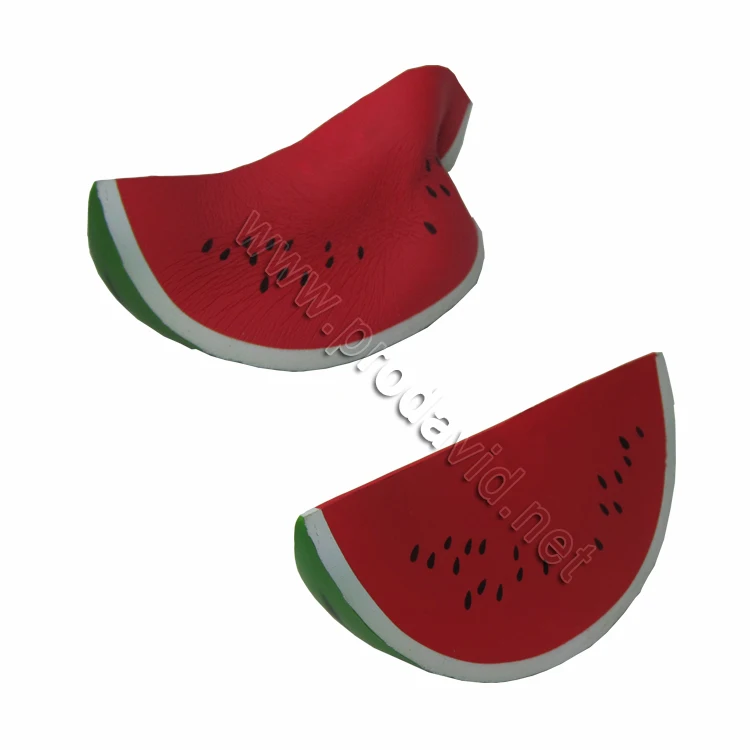
The integration of sensory-based wellness tools into corporate environments represents a shift toward more holistic approaches to employee health. Modern workplace stressors, from tight deadlines to challenging client interactions, can accumulate throughout the day and negatively impact both individual performance and overall team dynamics. By incorporating squishy slow return products into wellness programs, organizations provide employees with immediate, accessible tools for stress management that require no training or special facilities.
Understanding the Science Behind Squishy Slow Return Products
The Psychology of Tactile Stress Relief
The effectiveness of squishy slow return products lies in their ability to engage the tactile sensory system, which plays a crucial role in emotional regulation and stress response. When employees squeeze these products, they activate pressure receptors in their hands and fingers, triggering a cascade of neurological responses that promote relaxation and focus. This tactile engagement helps redirect anxious thoughts and provides a physical outlet for accumulated tension, making squishy slow return tools particularly valuable in high-pressure work environments.
Research in occupational psychology demonstrates that repetitive tactile activities can significantly reduce cortisol levels, the primary stress hormone that contributes to workplace burnout and decreased productivity. The slow-return mechanism of these products adds an additional layer of sensory engagement, as users can observe and feel the gradual restoration of the item's original shape, creating a meditative quality that enhances the stress-relief benefits.
Neurological Benefits of Repetitive Manipulation
The act of repeatedly compressing and releasing squishy slow return products activates specific neural pathways associated with calm and focus. This repetitive motion stimulates the production of dopamine and serotonin, neurotransmitters that contribute to feelings of well-being and satisfaction. For employees dealing with cognitive overload or decision fatigue, these products provide a simple mechanism for resetting mental state and improving concentration.
Additionally, the bilateral hand movements involved in manipulating these tools can activate both hemispheres of the brain, promoting better integration of logical and creative thinking processes. This neurological benefit makes squishy slow return products particularly valuable during brainstorming sessions, problem-solving activities, or when employees need to transition between different types of cognitive tasks throughout their workday.
Implementation Strategies for Corporate Wellness Programs
Desk-Based Stress Management Solutions
Implementing squishy slow return products as desk accessories represents one of the most straightforward approaches to integrating these tools into existing wellness programs. Unlike traditional stress-relief methods that may require dedicated space or time away from work, these products can be used discretely at workstations without disrupting productivity or drawing unwanted attention from colleagues or supervisors.
Organizations can distribute these products as part of new employee welcome packages or wellness program launches, positioning them as professional tools for maintaining optimal performance rather than toys or distractions. The compact size and professional appearance of many squishy slow return products make them appropriate for even the most formal office environments, ensuring widespread acceptance and utilization across diverse workplace cultures.
Meeting Room and Collaborative Space Integration
Beyond individual desk use, squishy slow return products can play a valuable role in meeting rooms and collaborative workspaces where stress levels often peak during intense discussions, negotiations, or creative sessions. Having these tools readily available in conference rooms provides participants with a socially acceptable way to manage anxiety and maintain focus during lengthy or challenging meetings.
Team leaders can model appropriate use of these products during meetings, demonstrating that self-care and stress management are valued organizational priorities. This visible leadership support helps normalize the use of wellness tools and encourages employees to prioritize their mental health throughout the workday. The shared presence of these products in group settings can also serve as conversation starters about stress management and wellness, fostering more open discussions about mental health in the workplace.
Measuring Impact and ROI of Wellness Tool Integration
Employee Satisfaction and Engagement Metrics
Organizations implementing squishy slow return products in their wellness programs can track several key performance indicators to measure the impact of these interventions. Employee satisfaction surveys can include specific questions about stress management tools and their perceived effectiveness, providing direct feedback on program value and areas for improvement. Regular pulse surveys can capture changes in self-reported stress levels, job satisfaction, and overall well-being following the introduction of these products.
Engagement metrics, such as participation rates in wellness programs and utilization of available resources, often show measurable improvements when tactile stress-relief tools are introduced. The accessibility and ease of use of squishy slow return products typically result in higher adoption rates compared to more complex wellness interventions, making them cost-effective solutions for organizations seeking to demonstrate tangible wellness program benefits.
Productivity and Performance Indicators
The business case for incorporating squishy slow return products into wellness programs becomes compelling when organizations track productivity metrics alongside employee well-being indicators. Reduced stress levels often correlate with improved focus, better decision-making, and enhanced creative problem-solving abilities, all of which contribute to measurable performance improvements across various job functions and departments.
Absenteeism rates, particularly those related to stress-induced illness or mental health concerns, may decrease following the implementation of comprehensive wellness programs that include tactile stress-relief tools. Healthcare utilization data can also provide insights into the broader health impacts of workplace wellness initiatives, with many organizations observing reduced claims related to stress-related conditions when employees have access to effective stress management resources throughout their workday.
Customization and Personalization Opportunities
Brand Integration and Corporate Identity
Modern squishy slow return products offer extensive customization possibilities that allow organizations to align wellness tools with their corporate branding and identity. Custom colors, shapes, and logos can transform these functional stress-relief tools into branded merchandise that reinforces company values while providing genuine wellness benefits to employees. This dual functionality maximizes the investment value while creating memorable touchpoints that strengthen organizational culture and employee connection.
The customization potential of these products extends beyond simple branding to include shapes and designs that reflect company values, industry themes, or specific wellness program messages. Technology companies might choose circuit board patterns, while healthcare organizations could opt for heart-shaped designs that emphasize their commitment to employee well-being and patient care values.
Individual Preference and Accessibility Considerations
Recognizing that different employees have varying sensory preferences and needs, successful wellness programs often offer multiple types of squishy slow return products to accommodate individual differences. Some employees may prefer firmer resistance levels, while others benefit from softer, more pliable options. Providing variety ensures that all team members can find tools that effectively meet their personal stress management needs.
Accessibility considerations should also guide product selection, ensuring that employees with different physical abilities can effectively use these wellness tools. Options with varying grip requirements, sizes, and manipulation techniques help create inclusive wellness programs that serve diverse workforce needs while maintaining the core benefits of tactile stress relief and mindfulness engagement.
Integration with Broader Wellness Program Components
Mindfulness and Meditation Program Synergy
Squishy slow return products complement traditional mindfulness and meditation practices by providing a tangible focus object that can anchor attention during brief workplace meditation sessions. The slow-return mechanism creates natural timing for breathing exercises, with employees able to synchronize their breath patterns with the product's compression and recovery cycles, enhancing the meditative benefits of both practices.
Workplace mindfulness programs can incorporate these products into guided sessions, using them as tools for teaching present-moment awareness and stress recognition techniques. The portability of these items allows employees to maintain mindfulness practices throughout their workday, extending the benefits of formal meditation sessions into everyday work activities and challenging moments when stress management skills are most needed.
Physical Wellness and Ergonomic Benefits
Beyond stress relief, regular use of squishy slow return products can provide modest physical wellness benefits, particularly for employees who spend extensive time at computer workstations. The hand and finger exercises involved in manipulating these products can help maintain dexterity and circulation, potentially reducing the risk of repetitive strain injuries and promoting better overall hand health.
Integration with existing ergonomic wellness programs creates comprehensive approaches to workplace health that address both physical and mental well-being simultaneously. Occupational health professionals can recommend specific usage patterns and techniques that maximize both the stress-relief and physical benefits of these versatile wellness tools, creating holistic solutions that support employee health from multiple angles.
FAQ
How often should employees use squishy slow return products for optimal stress relief benefits?
For optimal stress relief benefits, employees can use squishy slow return products as needed throughout their workday, with many finding 2-3 minute sessions every few hours particularly effective. There is no specific limit to usage frequency, as these products are designed for repeated manipulation without adverse effects. The key is encouraging mindful use rather than absent-minded fidgeting, focusing on the tactile sensations and breathing patterns while engaging with the product. Some employees benefit from structured usage during specific high-stress periods, such as before important meetings or during deadline-intensive projects, while others prefer incorporating brief sessions into their regular break routines.
Are there any workplace environments where squishy slow return products might not be appropriate?
While squishy slow return products are generally suitable for most workplace environments, certain settings may require special consideration or modified implementation approaches. Sterile environments, such as medical facilities or food preparation areas, may need products made from easily sanitizable materials or may require individual rather than shared usage protocols. Client-facing roles in extremely formal settings might benefit from more discrete product designs or usage during non-client interaction periods. However, with proper selection and implementation guidelines, these products can be effectively integrated into virtually any workplace culture while maintaining professional standards and supporting employee wellness objectives.
What training or guidance should organizations provide when introducing these wellness tools?
Organizations should provide brief orientation sessions that explain the stress-relief benefits and proper usage techniques for squishy slow return products, emphasizing their role as legitimate wellness tools rather than workplace distractions. Training should cover appropriate usage timing, such as during breaks, between tasks, or when feeling overwhelmed, as well as basic mindfulness techniques that can enhance the stress-relief benefits. Managers and team leaders should receive additional guidance on modeling appropriate use and supporting employees who choose to incorporate these tools into their daily wellness routines, creating a culture that values proactive stress management and self-care.
How do squishy slow return products compare to other workplace stress-relief tools in terms of effectiveness and cost?
Squishy slow return products offer exceptional value compared to many other workplace stress-relief interventions due to their low cost, durability, and immediate accessibility. Unlike expensive wellness program components such as massage therapy or meditation apps that require ongoing subscriptions, these products provide long-term stress-relief benefits with a single purchase. Their effectiveness rivals more complex interventions for many employees, particularly those who respond well to tactile stimulation and repetitive motion. The combination of affordability, ease of implementation, and proven stress-relief benefits makes these products among the most cost-effective wellness tools available for organizations seeking to support employee mental health and stress management.
Table of Contents
- Understanding the Science Behind Squishy Slow Return Products
- Implementation Strategies for Corporate Wellness Programs
- Measuring Impact and ROI of Wellness Tool Integration
- Customization and Personalization Opportunities
- Integration with Broader Wellness Program Components
-
FAQ
- How often should employees use squishy slow return products for optimal stress relief benefits?
- Are there any workplace environments where squishy slow return products might not be appropriate?
- What training or guidance should organizations provide when introducing these wellness tools?
- How do squishy slow return products compare to other workplace stress-relief tools in terms of effectiveness and cost?