
 EN
EN



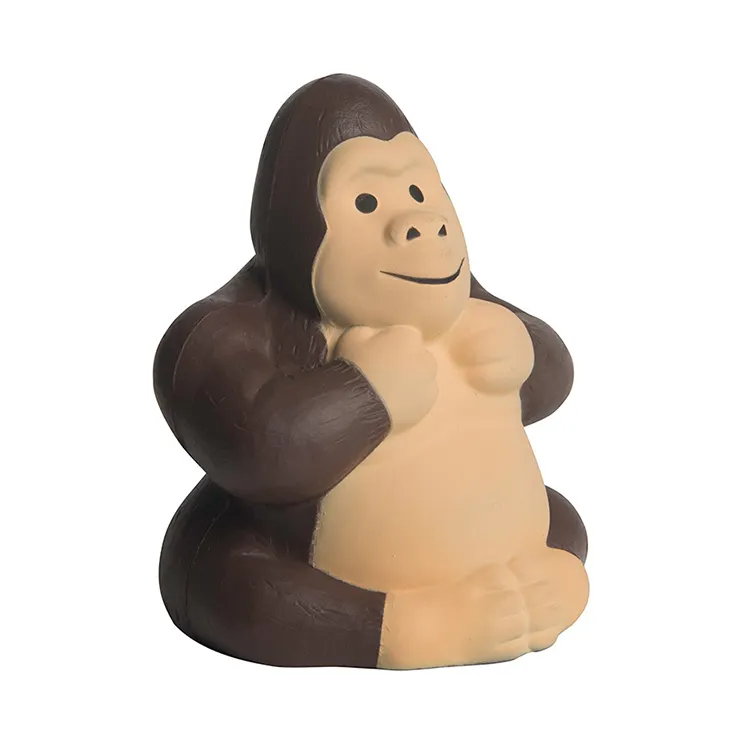
In a crowded promotional landscape, brands are constantly searching for giveaways that people actually keep, use, and remember. stress relievers have emerged as one of the most tactile, emotionally resonant promotional tools available to marketers today. Unlike pens or notepads that get buried in a drawer, a well-chosen stress reliever sits on a desk, gets squeezed during tense meetings, and repeatedly reminds the holder of your brand. The question is not whether stress relievers work for marketing — it is how to customize them effectively to maximize their campaign impact.
Customizing stress relievers for a marketing campaign goes far beyond slapping a logo on a foam ball. It involves strategic decisions about shape, color, material, messaging, and distribution that all work together to reflect your brand identity and connect with your target audience. When every customization choice is made deliberately, stress relievers transform from simple novelty items into powerful brand touchpoints that generate real recall and goodwill. This article breaks down the exact customization process so that marketers, procurement teams, and brand managers can make informed, campaign-ready decisions.
Understanding Why Stress Relievers Work as Promotional Tools
The Psychology Behind Tactile Brand Engagement
Stress relievers engage the sense of touch in a way that almost no other promotional item can replicate. When someone picks up and squeezes a foam object, the physical interaction creates a sensory memory that links the feeling of relief or playfulness directly to your brand. This tactile engagement is far more powerful than a static visual impression from a flyer or digital ad. Research in consumer psychology consistently shows that physical interaction deepens emotional connection with a brand.
The repeated use of stress relievers means that your brand message is reinforced multiple times per day in an organic, non-intrusive way. Every time a person reaches for the item during a stressful moment, your company name or logo is right there in their hand. This creates a positive association between your brand and the feeling of stress relief, which is an extraordinarily valuable emotional anchor in competitive markets. Stress relievers are, in essence, miniature brand experiences.
Unlike digital impressions that disappear in seconds, stress relievers have a physical longevity. Many recipients keep them for months or even years, meaning the cost-per-impression for stress relievers can be exceptionally low compared to other marketing expenditures. Their durability and repeated usability make them a high-return investment for both B2B and B2C promotional campaigns.
Audience Fit and Campaign Alignment
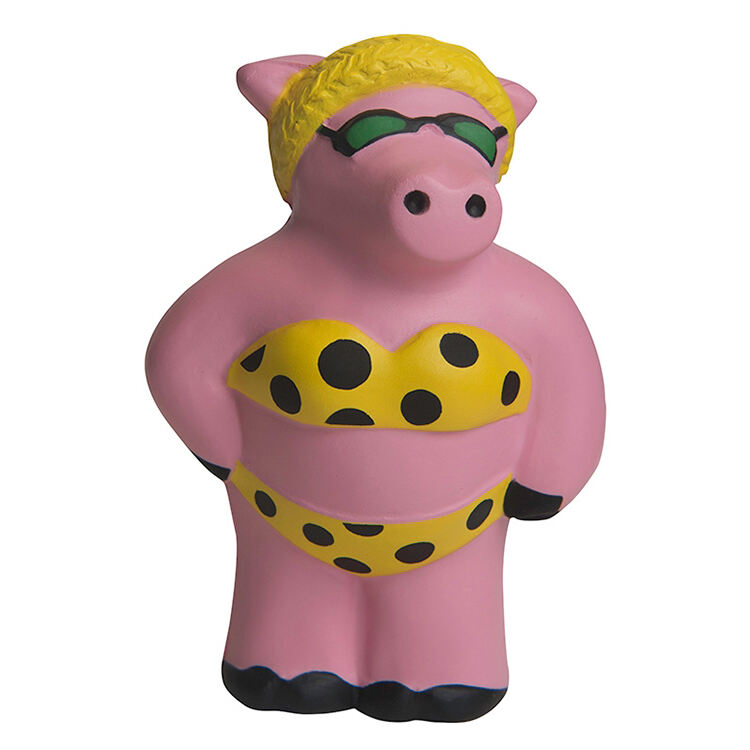
Not every promotional product fits every audience, but stress relievers have unusually broad demographic appeal. They work equally well for healthcare companies, financial services firms, tech brands, real estate agencies, and consumer goods companies. The key is ensuring the customization aligns the item's design and messaging with the specific audience receiving it. A playful beach pig design, for example, speaks to a younger, fun-loving demographic, while a sleek geometric shape might resonate with a professional corporate audience.
Campaign alignment means that your stress relievers should feel like a natural extension of your broader marketing message. If your campaign is centered on wellness, choose designs and colors that reinforce calm and health. If your campaign is built around innovation, opt for unusual shapes or materials that signal creativity. Stress relievers are flexible enough to carry almost any brand narrative when the customization is thoughtfully executed. The goal is to make recipients feel that the item was designed specifically for them, not mass-produced without thought.
Key Customization Options for Stress Relievers
Shape and Design as Brand Language
Shape is the most immediate and impactful customization lever available for stress relievers. Custom shapes allow brands to create an item that is instantly recognizable and directly tied to their identity or campaign theme. A food company might choose a fruit or vegetable shape; a travel brand might go with an airplane or globe; a financial institution might select a house or coin shape. The shape itself becomes a storytelling device that communicates your brand's world before a single word is read.
Custom shapes for stress relievers require some lead time and minimum order quantities, but the investment pays off in distinctiveness. Off-the-shelf shapes are a perfectly valid option for tighter budgets, but even standard shapes can be made more unique through color choices and printing. The most memorable stress relievers in promotional marketing are those where the shape, color, and branding all work together coherently rather than feeling like an afterthought. Design collaboration with your supplier at this stage is essential to ensure the final product accurately represents your brand.
Three-dimensional design also matters significantly. Stress relievers that have exaggerated, friendly, or humorous proportions tend to generate more social sharing and organic word-of-mouth than plain, understated designs. A fun shape creates a conversation piece, and conversation pieces amplify your campaign's reach beyond the initial recipient. When stress relievers get photographed and shared on social media, they extend the campaign's footprint at no additional cost.
Color Customization and Brand Consistency
Color is one of the fastest and most cost-effective ways to align stress relievers with your brand identity. Most manufacturers can produce stress relievers in a wide Pantone or CMYK color range, allowing for precise brand color matching. Getting the color right is not a minor detail — brand color consistency across all marketing materials, including promotional products, directly strengthens brand recognition. Receiving a stress reliever in your exact corporate colors signals professionalism and attention to detail.
Beyond brand colors, color can also be used strategically to serve campaign goals. Seasonal color palettes make stress relievers feel timely and relevant — pastel tones for spring health campaigns, deep greens and golds for holiday promotions, bright primaries for back-to-school or youth-focused events. Multi-color designs can be used to create visual interest or represent different product lines within your company. Color is a language in itself, and using it intentionally in stress relievers makes the customization feel deliberate rather than generic.
Logo, Tagline, and Message Printing
Printing on stress relievers requires special attention because the surface is soft, flexible, and often curved. The most common printing method is pad printing, which transfers ink cleanly onto the foam surface and holds up well to repeated compression. For more detailed artwork or photographic imagery, alternative methods such as heat transfer or digital printing may be more appropriate depending on the material. Understanding the printing method before finalizing your artwork ensures that the final result looks as intended rather than blurry or distorted.
The content of the print is equally important as the method. A logo alone is the minimum, but stress relievers that include a short tagline, website URL, or campaign hashtag generate significantly more actionable brand exposure. Keep the messaging concise because the printable surface area is limited. A strong call to action or a memorable brand phrase on stress relievers can prompt recipients to look up your brand online, turning a physical giveaway into a digital traffic driver. Every printed element should serve a purpose within your campaign strategy.
Strategic Customization for Different Campaign Types
Trade Show and Event Giveaways
Trade shows are arguably the most popular environment for distributing stress relievers as promotional items. In a trade show booth, you have only seconds to capture a visitor's attention, and a visually distinctive stress reliever sitting on your table immediately becomes a conversation starter. Customizing stress relievers with bold colors and your booth number or event hashtag adds a layer of campaign-specific relevance that generic giveaways cannot provide. Visitors are more likely to pick up and keep items that feel exclusive to the event experience.
For trade show applications, it is also worth considering the portability and durability of the design. Stress relievers that are compact, lightweight, and durable travel well in conference bags and survive the journey home without damage. Arriving home with your branded stress reliever means continued brand visibility long after the event ends. This extended exposure window is one of the strongest arguments for choosing stress relievers over paper-based giveaways that rarely survive the trip.
Direct Mail and Corporate Gift Campaigns
Stress relievers can be powerful additions to direct mail packages, especially in B2B marketing where standing out in a decision-maker's mailbox is increasingly difficult. Receiving a physical, three-dimensional item in a package immediately creates curiosity and engagement before the written message is even read. A campaign that pairs a compelling letter or offer with a well-designed stress reliever has a higher open rate, higher recall, and higher response rate than flat-mail alternatives. The tactile element transforms the experience of receiving your communication.
In corporate gifting contexts, stress relievers work best when they feel thoughtful rather than token. This means choosing a design that reflects the recipient's industry or interests, packaging the item attractively, and including a personalized message that connects the gift to a shared business context. A financial services firm sending stress relievers shaped like a house to real estate clients, for example, shows that the gift was chosen with intention. Thoughtfulness in corporate gifting directly influences the strength of the business relationship it is meant to reinforce.
Retail and Consumer Promotions
In consumer-facing campaigns, stress relievers can be bundled with product purchases, distributed at retail events, or used as competition prizes. For retail applications, the design of stress relievers needs to be especially strong because consumers will evaluate the item against a higher aesthetic standard than corporate audiences typically do. Bright, playful designs that reflect current visual trends perform best in retail environments. Limited-edition seasonal designs create a sense of exclusivity that can drive purchase behavior when stress relievers are offered as a purchase incentive.
Consumer promotions also benefit from thematic consistency between the stress reliever design and the product it accompanies. A wellness brand distributing stress relievers alongside a supplement product, for example, creates a unified brand experience that reinforces the product's value proposition. When the promotional item and the core product feel like they belong together, the giveaway elevates the product rather than distracting from it. This level of strategic alignment in promotional customization is what separates effective campaigns from forgettable ones.
Practical Considerations When Ordering Customized Stress Relievers
Minimum Order Quantities and Lead Times
Understanding minimum order quantities is essential when planning a campaign that includes stress relievers. Most custom manufacturers have minimum order thresholds that can range from a few hundred units to several thousand depending on the level of customization required. Campaigns with modest distribution budgets should select designs that are achievable at lower quantities without compromising quality or brand integrity. Planning your order well in advance allows you to compare options and avoid paying premium rush fees.
Lead times for custom stress relievers vary depending on complexity. Standard shapes with simple logo printing can typically be produced and shipped within two to three weeks. Fully custom shapes with multi-color printing may require six to eight weeks or more from artwork approval to delivery. Building sufficient lead time into your campaign timeline prevents the common mistake of receiving promotional products after the event they were intended for has already passed. Proactive communication with your supplier at every stage of the production process is key to staying on schedule.
Quality Control and Compliance Requirements
Quality control for stress relievers involves both physical product standards and regulatory compliance considerations. For campaigns targeting children or healthcare environments, compliance with safety standards such as EN71 or ASTM F963 may be required. These standards govern materials, chemical content, and physical safety of promotional products. Always request a product sample before approving a full production run so that you can evaluate the print quality, material firmness, and overall finish before committing to a large order.
Material quality directly impacts how stress relievers are perceived by recipients. Low-density foam that tears easily or loses its shape after a few squeezes will reflect poorly on your brand. Higher-quality PU foam retains its shape, has a more satisfying tactile feel, and lasts significantly longer than economy alternatives. The durability of the stress reliever directly affects how long your brand remains visible to the recipient, making material quality a marketing investment rather than just a production cost. Always verify the material specification with your supplier before finalizing the order.
FAQ
What is the best printing method for custom stress relievers?
Pad printing is the most widely used method for stress relievers because it adapts well to curved and soft surfaces while delivering clean, durable results. For more complex artwork involving gradients or photographs, heat transfer or digital printing may be more appropriate. The best method depends on the complexity of your artwork, the surface area available, and the material of the stress reliever. Always request a sample with your exact artwork applied before approving a full production run to confirm the printing method meets your quality expectations.
How many colors can be printed on a stress reliever?
Most pad printing processes support up to four or five spot colors, which is sufficient for the majority of logos and simple designs. Full-color or photographic printing requires heat transfer or digital printing methods, which may have different minimum order requirements and cost implications. Because the printable surface area on stress relievers is often limited, keeping your design to two or three colors generally produces the cleanest and most visually impactful result. Discuss your artwork file with the supplier's design team early to confirm color feasibility before production begins.
Can stress relievers be shaped like any object for a campaign?
Yes, custom molds can produce stress relievers in virtually any shape, from industry-specific objects to branded characters or mascots. Custom mold development adds cost and lead time to the production process but results in a truly unique promotional item that cannot be confused with any competitor's giveaway. Many suppliers also offer a large library of existing molds that cover common shapes across most industries, which provides a cost-effective middle ground between fully custom and fully generic. Selecting a shape from an existing mold library is a practical solution for campaigns with tighter budgets or shorter timelines.
What audience demographic responds best to stress relievers as promotional items?
Stress relievers have broad appeal across age groups and professional demographics, but the design style should be tailored to the specific audience. Younger, consumer-facing demographics tend to respond strongly to playful, colorful, and novelty shapes, while professional B2B audiences may prefer more refined or industry-relevant designs. The universal appeal of stress relief as a concept means that stress relievers can be effectively deployed in almost any campaign context when the design and messaging are aligned with the recipient's world. Audience research and campaign theme alignment are the most important factors in maximizing the impact of stress relievers as a promotional investment.