
 EN
EN



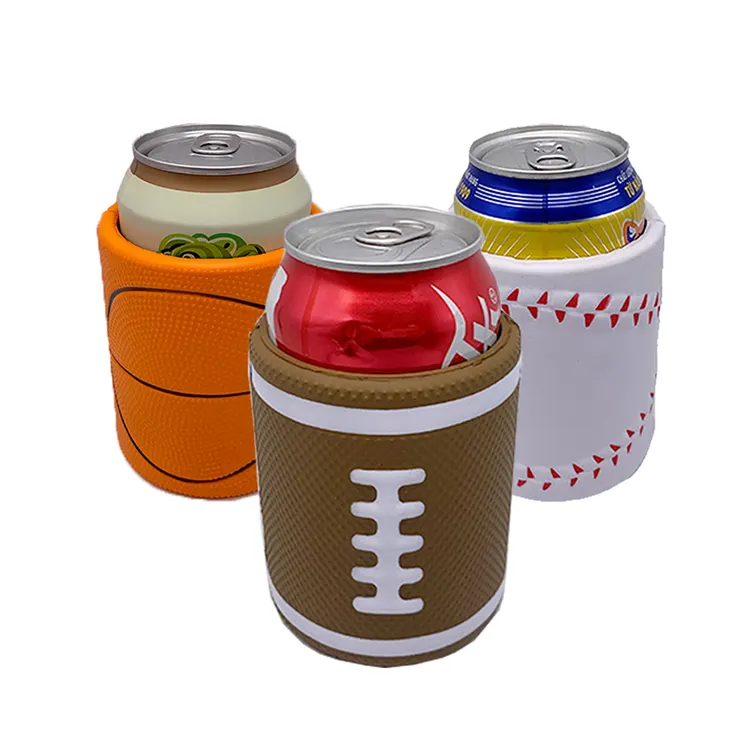
Whether you are tailgating at a stadium, enjoying a round of golf on a sunny afternoon, or setting up a booth at a trade show, keeping your beverages at the right temperature is a genuine challenge. The outdoor environment introduces heat, humidity, and direct sunlight — all working against the refreshing cold drink you poured just minutes ago. A can cooler is specifically engineered to counteract these forces, acting as a thermal barrier between your beverage container and the surrounding environment. Understanding how this simple product works reveals why it has become a staple accessory for outdoor activities across all seasons.
A can cooler is not just a novelty item or a promotional giveaway. It is a practical thermal management tool that slows the rate of heat transfer from the external environment into your beverage. When designed with quality insulating materials such as PU foam, neoprene, or other closed-cell composites, a can cooler can extend the cold window of a beverage by a significant margin. For outdoor enthusiasts, event organizers, and brand marketers alike, the functional performance of a can cooler directly influences the user experience. This article breaks down exactly how a can cooler accomplishes its job outdoors and what makes certain designs more effective than others.
The Physics Behind a Can Cooler and Heat Transfer
How Heat Moves Into an Unprotected Beverage
Without any insulation, a cold beverage sitting outdoors is subject to three main modes of heat transfer: conduction, convection, and radiation. Conduction occurs when the metal or glass surface of the container absorbs heat from a warm hand or a hot surface it is resting on. Convection happens as warm outdoor air circulates around the container, continuously supplying thermal energy to its surface. Radiation from direct sunlight can also heat the container rapidly, especially when the can has a dark-colored surface that absorbs more of the solar spectrum.
In practice, all three mechanisms work simultaneously. A can left on a picnic table under direct sun on a warm day can rise in temperature by several degrees within just a few minutes. Once the beverage warms past a certain threshold, the taste profile changes noticeably — carbonated drinks go flat faster, and the refreshing quality of cold water or a sports drink diminishes quickly. This is the exact problem a can cooler is designed to interrupt.
How a Can Cooler Slows Heat Transfer
A can cooler works by introducing a layer of low-conductivity material between the outer environment and the beverage container. Materials like closed-cell PU foam have very low thermal conductivity, meaning heat moves through them slowly. This insulating layer dramatically reduces the rate at which conduction can transfer heat from your hand or a warm surface into the drink inside.
The snug fit of a can cooler also minimizes the surface area exposed directly to convective airflow. By hugging the can tightly, the can cooler essentially creates a microenvironment around the container where the air trapped within the insulating material acts as an additional buffer. Against radiation, lighter-colored or reflective outer surfaces on a can cooler can also deflect a portion of incoming solar energy. Together, these mechanisms allow a well-made can cooler to extend the cold retention window meaningfully during outdoor use.
Material Choices and Their Impact on Performance Outdoors
PU Foam as a Preferred Insulating Material
Polyurethane foam, or PU foam, has become a widely used material in can cooler manufacturing for very practical reasons. Its cellular structure traps air effectively, and air is one of the most accessible and efficient natural insulators. PU foam is also lightweight, flexible enough to conform to standard can sizes, and resistant to moisture — an important property when you consider the condensation that forms on cold beverage cans in humid outdoor settings.
A can cooler made from PU foam maintains its structural integrity through repeated use, compression, and exposure to outdoor conditions. Unlike some materials that degrade quickly in UV light or high humidity, quality PU formulations hold their insulating properties over time. For consumers using a can cooler regularly at events, on the golf course, or during spring sports activities, this durability translates to consistent performance across many outdoor occasions.
Neoprene and Other Composite Alternatives
Neoprene is another popular choice for can cooler construction, offering excellent flexibility and a comfortable tactile grip. Its closed-cell structure provides thermal insulation comparable to PU foam, and it also offers modest impact protection for the beverage container. Neoprene can coolers tend to be highly conformable, fitting different container sizes snugly and reducing gaps where warm air could penetrate.
Some can cooler designs incorporate multiple layers — combining an outer fabric for aesthetics and branding with an inner foam layer for function. This composite approach allows manufacturers to optimize both appearance and thermal performance simultaneously. For trade show promotions or branded corporate giveaways, the outer layer offers ample surface area for customization while the inner layer does the actual insulation work. Choosing the right material combination depends on the primary use case, expected duration of outdoor exposure, and the importance of branding aesthetics.
Outdoor Scenarios Where a Can Cooler Delivers the Most Value
Golf Courses and Spring Sports Events
On a golf course, a player may spend three to five hours outdoors under varying sun and wind conditions. Carrying a beverage without any insulation means accepting a warm drink well before the round is finished. A can cooler designed specifically for active sports use is typically slim, easy to carry in a golf bag side pocket, and durable enough to handle the jostling of a cart ride over uneven terrain.
Spring sports events — whether recreational or competitive — share a common challenge: the weather may start cool in the morning but warm significantly by midday. A can cooler gives athletes and spectators alike the ability to start with a cold beverage and maintain that temperature far longer than they could without one. The simple act of sliding a can into a can cooler before heading to the field or the fairway makes a measurable difference in drink enjoyment throughout the event.
Trade Shows and Promotional Events
Trade shows present a unique outdoor or semi-outdoor environment where beverages are frequently distributed as part of hospitality packages. Exhibitors often provide canned drinks to visitors, and ensuring those drinks remain cold throughout long event hours reinforces a positive brand impression. A branded can cooler serves a dual purpose here — it keeps the beverage cold while simultaneously acting as a walking advertisement for the brand.
Promotional can coolers distributed at trade shows also have extended utility beyond the event itself. Recipients use them at home, at sporting events, and during outdoor activities, giving the brand repeated exposure. This longevity of use makes the can cooler one of the more cost-effective promotional products available for outdoor-facing brands and event marketers. The practical value of a can cooler ensures it is less likely to be discarded than many other giveaway items.
General Outdoor Gatherings and Everyday Use
From backyard barbecues to beach outings and camping trips, the can cooler finds a natural home in almost any outdoor setting. Adults and children alike benefit from having their beverages stay cold longer, reducing the need to refill ice chests or rush back to a cooler bag repeatedly. A can cooler essentially extends the functional lifespan of each individual cold beverage, making the overall outdoor experience more comfortable and convenient.
For families attending outdoor events or spending extended time at parks and recreational areas, having individual can coolers for each person reduces waste from prematurely warm and discarded drinks. The environmental angle is increasingly relevant as consumers look for ways to minimize single-use packaging and unnecessary waste. By helping preserve beverages at an acceptable temperature for longer, a can cooler indirectly supports more mindful consumption habits outdoors.
Design Features That Enhance Outdoor Temperature Retention
Fit, Depth, and Closure Systems
A can cooler that fits loosely around its container is significantly less effective than one that fits snugly. The tighter the fit, the smaller the gap through which warm air can circulate between the can surface and the insulating material. This is why can coolers are typically manufactured to precise internal dimensions corresponding to standard beverage can sizes. A proper fit also prevents the can cooler from slipping off during active use outdoors.
Some can cooler designs include a bottom seal or a collapsible base structure that closes off the bottom of the container. Since the base of a can sitting on a hot surface is particularly vulnerable to conductive heat transfer, this design feature can meaningfully extend cold retention. Similarly, a slightly taller can cooler that extends higher up the side of the container offers more coverage and better overall insulation performance in warm outdoor conditions.
Color and Surface Treatment for Outdoor Conditions
The outer surface color and finish of a can cooler play a role in managing radiant heat. Lighter colors and reflective finishes absorb less solar radiation than dark matte surfaces, which is why some outdoor-optimized can cooler designs favor lighter base colors for functionality. That said, the insulating layer beneath the outer surface ultimately does the heavy lifting in terms of thermal management — surface color is a secondary factor but not an insignificant one in prolonged direct sun exposure.
Moisture resistance on the outer surface also matters outdoors. A can cooler that absorbs water from rain, dew, or spilled drinks becomes heavier and can develop odors over time. Water-resistant coatings or inherently moisture-resistant materials like neoprene and PU foam ensure the can cooler remains lightweight, clean, and functional through repeated outdoor use. These material properties also make the can cooler easier to wipe clean after outdoor events.
Choosing the Right Can Cooler for Outdoor Activities
Matching the Can Cooler to the Use Case
Selecting the right can cooler starts with identifying the primary outdoor use case. For active sports like golf or spring athletics, a slim, lightweight can cooler with a secure fit is ideal. It should not add unnecessary bulk or interfere with movement. For trade show promotions, the priority shifts toward a can cooler that offers a large, clean printable surface while still delivering functional insulation to impress recipients.
For family outings and general outdoor gatherings, durability and ease of use become the dominant criteria. A can cooler that can withstand being tossed in a bag, sat on accidentally, or dropped on a hard surface will serve better over time than a more aesthetically refined but fragile alternative. Users should also consider whether the can cooler will need to accommodate different container sizes — some models offer slight stretch flexibility that adapts to both slim and standard cans.
Universal Suitability Across Ages and Users
A well-designed can cooler should be equally comfortable in the hands of an adult and a child. The grip texture, weight, and diameter all contribute to usability across different hand sizes. Products explicitly designed for use by both adults and children tend to feature slightly softer materials, ergonomic shaping, and proportions that make them comfortable for smaller hands without compromising the grip security needed by adult users in active settings.
This versatility also makes the can cooler a strong option for family-oriented promotional campaigns and community sports events where age diversity among participants is the norm. A single can cooler design that works well across demographics reduces procurement complexity for event organizers and ensures every attendee receives an equally functional product regardless of age. The inclusive utility of a quality can cooler is part of what makes it such a consistently popular item in outdoor and promotional contexts.
FAQ
How long can a can cooler keep a beverage cold outdoors?
The duration varies based on ambient temperature, sun exposure, and the quality of the insulating material. In moderate outdoor conditions, a good-quality can cooler can extend the cold window of a beverage by one to two hours compared to an unprotected can. In very hot and sunny conditions, the improvement may be shorter, but the can cooler still meaningfully slows the rate of warming and improves overall drink enjoyment.
Can a can cooler work for both cans and bottles?
Many can cooler models are designed with enough flexibility to accommodate both standard cans and slim bottles of similar diameter. Some designs are specifically engineered with a slight stretch in the insulating material to adapt to minor size variations. If a can cooler will be used regularly for bottle-sized containers, it is worth confirming the internal dimensions and flexibility rating of the specific product before purchasing or ordering in bulk.
Is a can cooler suitable for promotional use at outdoor events?
Yes, the can cooler is one of the most effective promotional items for outdoor events because it combines genuine functional value with a large, customizable surface. Recipients use it immediately and continue using it afterward, giving the brand repeated visibility. The practical utility of keeping beverages cold means the can cooler is far less likely to be discarded than items that serve no ongoing practical purpose, making it a high-retention promotional product.
How should a can cooler be cleaned and maintained after outdoor use?
Most can coolers made from PU foam or neoprene can be cleaned by wiping with a damp cloth and mild soap. They should be allowed to air dry completely before storage to prevent any moisture buildup within the material layers. Avoiding machine washing or harsh chemical cleaners will help preserve both the insulating properties and the printed or embossed branding on the outer surface, ensuring the can cooler remains functional and presentable through many uses.