
 EN
EN




Understanding Pet Toy Safety Standards and Guidelines
When it comes to enriching our pets' lives, toys play a crucial role in providing mental stimulation, physical exercise, and emotional satisfaction. However, selecting safe pet toys requires careful consideration and knowledge of safety standards. Pet parents must prioritize both durability and safety to ensure their furry friends can enjoy their playtime without risks.
The pet toy industry has evolved significantly over recent years, with manufacturers now focusing more than ever on creating products that meet stringent safety requirements. Understanding these standards helps pet owners make informed decisions when purchasing toys for their beloved companions.
Material Considerations for Pet Toy Selection
Natural and Synthetic Materials
The materials used in pet toys significantly impact their safety and longevity. Natural materials like cotton, hemp, and rubber from responsible sources often provide excellent durability while being safe for pets to chew and play with. These materials typically withstand regular use and are less likely to break down into harmful fragments.
Synthetic materials, while sometimes more durable, require careful scrutiny. Look for toys made from non-toxic plastics, specifically labeled as BPA-free and phthalate-free. High-quality synthetic materials can offer extended playtime value while maintaining safety standards.
Toxic Materials to Avoid
Certain materials pose significant risks to pets and should be avoided entirely. Toys containing PVC, certain dyes, or chemical treatments may release harmful substances during play. Additionally, toys with small parts, loose strings, or easily detachable components can present choking hazards.
Always check for certification labels and research the manufacturer's reputation for producing safe pet toys. Responsible companies maintain transparency about their material sourcing and manufacturing processes.
Size and Design Features
Appropriate Sizing Guidelines
Selecting the correct toy size is paramount for pet safety. A toy that's too small risks being swallowed, while oversized toys may frustrate your pet or cause injury. Consider your pet's breed, size, and age when selecting toys. For dogs, choose toys larger than their mouth to prevent accidental swallowing.
Many manufacturers provide size recommendations based on pet weight and breed characteristics. These guidelines serve as excellent starting points for selection, though individual pet preferences and habits should also factor into the decision.
Design Elements for Safety
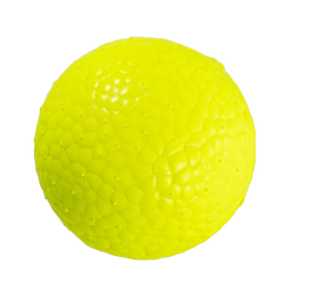
Safe pet toys incorporate thoughtful design elements that enhance both security and engagement. Look for rounded edges, reinforced seams, and sturdy construction. Toys with multiple textures can provide varied sensory experiences while maintaining structural integrity.
Innovative safety features might include reinforced stitching in plush toys, specially designed chew-resistant materials, or built-in durability features like double-layered fabric. These elements contribute to both safety and longevity.
Durability Testing and Quality Assurance
Assessment Methods
Quality safe pet toys undergo rigorous testing before reaching store shelves. This includes stress testing, material safety analysis, and durability evaluations. Understanding these testing procedures helps pet owners recognize high-quality products that will last longer and maintain safety standards throughout their use.
Look for toys that have undergone independent laboratory testing and carry relevant safety certifications. Many reputable manufacturers voluntarily submit their products for additional testing beyond required standards.
Signs of Wear and Replacement
Regular inspection of pet toys helps maintain safety over time. Watch for signs of excessive wear, such as fraying edges, loose parts, or material breakdown. Establish a routine for checking toy condition and replace items showing significant wear before they become hazardous.
Creating a rotation system for toys can extend their lifespan while keeping pets engaged with different options. This approach also allows for regular cleaning and inspection of each toy.
Interactive Features and Enrichment Value
Mental Stimulation Elements
Safe pet toys should offer more than just physical engagement. Look for designs that incorporate puzzle elements, treat-dispensing features, or varying difficulty levels. These features provide mental stimulation while maintaining safety standards through thoughtful construction.
Consider toys that can be used in multiple ways, offering different play patterns that adapt to your pet's learning and engagement style. This versatility extends the toy's value while ensuring sustained safe play.
Physical Activity Benefits
Durable toys that encourage exercise help maintain pet health while being safe for vigorous play. Features like bounce-back materials, throw-and-fetch designs, or tug-of-war capabilities should be balanced with strong construction and safety considerations.
Look for toys that match your pet's activity level and play style while maintaining structural integrity during active use. This ensures both safety and satisfaction during playtime.
Frequently Asked Questions
How often should I replace my pet's toys?
Regular inspection is key - replace toys when you notice significant wear, torn pieces, or structural damage. As a general guideline, heavily used toys may need replacement every 1-3 months, while more durable options might last 6 months or longer with proper care.
What makes a pet toy truly safe?
Safe pet toys feature non-toxic materials, appropriate size for the specific pet, sturdy construction without small or loose parts, and have passed relevant safety certifications. They should maintain structural integrity during normal play and be designed specifically for pet use.
Can I clean and sanitize pet toys to extend their life?
Yes, many safe pet toys can be cleaned regularly to extend their lifespan. Follow manufacturer cleaning instructions, which may include machine washing, hand washing with pet-safe detergent, or sanitizing with pet-safe solutions. However, always inspect toys after cleaning for any damage that might have been revealed.