
 EN
EN



What Makes Rubber Ducks a Popular Collectible Item?
Collecting has always been part of human culture, from rare coins and stamps to action figures and designer sneakers. Yet one of the most curious and charming collectible items of the modern era is the Rubber Ducks. Once a simple bath toy for children, Rubber Ducks have evolved into cultural icons and beloved collectibles for people of all ages. Their appeal extends beyond function into the realms of nostalgia, creativity, humor, and personal expression. The popularity of Rubber Ducks as collectibles can be traced to their unique blend of playful design, affordability, and cultural symbolism.
A Brief History of Rubber Ducks
The origins of Rubber Ducks date back to the late nineteenth and early twentieth centuries when rubber manufacturing expanded rapidly. Early versions were made from hard rubber and often designed as chew toys. As technology advanced, manufacturers began producing softer, squeezable Rubber Ducks that floated in bathtubs, transforming them into playful companions for children.
By the mid-twentieth century, the bright yellow duck with an orange beak became the standard image associated with Rubber Ducks. Their popularity grew exponentially in the 1970s after appearances in television and music, most famously through the Sesame Street character Ernie’s “Rubber Duckie” song, which made them iconic far beyond the bathroom.
This simple toy, inexpensive and cheerful, soon became a symbol of childhood innocence and fun, laying the foundation for its role as a collectible.
Nostalgia and Emotional Connection
One of the strongest reasons Rubber Ducks are popular collectibles is nostalgia. Many adults fondly remember playing with them during childhood bath time. Collecting them later in life is a way to reconnect with those memories and preserve a sense of innocence and joy.
Nostalgic value often drives collectible markets, whether for vintage cars or comic books. Rubber Ducks fit perfectly into this framework because they are universally recognized and emotionally evocative. Their cheerful design evokes comfort, making them both sentimental keepsakes and conversation starters.
Variety and Creativity in Design
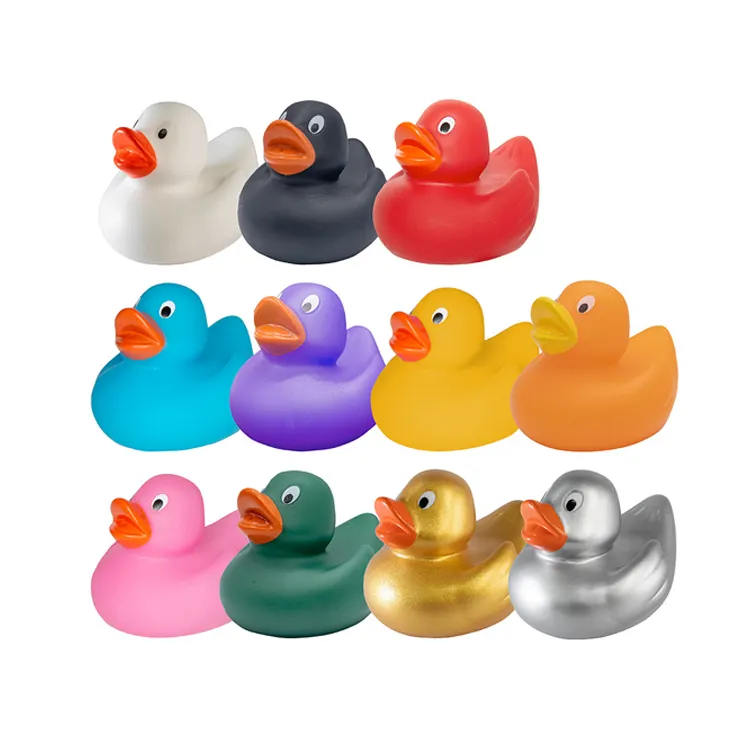
Another key factor in the collectible appeal of Rubber Ducks is the sheer variety of designs available. Manufacturers have produced countless variations beyond the classic yellow duck. Today, Rubber Ducks come dressed as doctors, firefighters, superheroes, musicians, politicians, animals, and even mythical creatures.
The diversity of themes makes collecting exciting, as enthusiasts can focus on specific categories or build large eclectic collections. Seasonal ducks, limited editions, and event-themed designs further enhance their collectible value. For example, holiday Rubber Ducks shaped like Santa Claus or Halloween pumpkins are popular during festive seasons.

The creativity involved in their design also appeals to people who appreciate humor and novelty. A duck dressed as a famous movie character or a historical figure blends whimsy with pop culture, making it both funny and collectible.
Affordability and Accessibility
Unlike many other collectibles that require significant investment, Rubber Ducks are relatively inexpensive. Their affordability makes them accessible to collectors of all ages and income levels. Young collectors can start with a small budget, while more dedicated enthusiasts can build large collections without excessive financial strain.
Because they are widely available in toy stores, gift shops, online marketplaces, and specialty retailers, Rubber Ducks are easy to obtain. This accessibility fosters inclusivity within the collector community, allowing anyone to participate regardless of background.
Rubber Ducks in Popular Culture
Rubber Ducks have firmly established themselves in popular culture. Beyond their early connection to children’s entertainment, they have appeared in movies, music videos, and advertising campaigns. Giant Rubber Duck art installations created by artists such as Florentijn Hofman have toured the world, drawing millions of visitors and renewing public fascination with the toy.
These cultural appearances reinforce the duck’s symbolic status as cheerful, approachable, and universally appealing. They elevate Rubber Ducks from simple toys to cultural icons, strengthening their desirability as collectibles.
Social and Community Aspects of Collecting
Collecting is rarely an isolated activity, and Rubber Ducks have inspired vibrant communities of enthusiasts. Online forums, social media groups, and dedicated fan clubs bring collectors together to share photos, trade ducks, and discuss rare finds.
Events such as Rubber Duck races or exhibitions provide opportunities for collectors to connect in person. These communities add a social dimension to collecting, enhancing the enjoyment and motivating people to expand their collections. The sense of belonging to a larger group of enthusiasts reinforces the passion and keeps the trend alive across generations.
Limited Editions and Exclusivity
Like other collectibles, Rubber Ducks often gain additional value when produced in limited editions. Manufacturers sometimes release special designs for events, promotions, or anniversaries, making them harder to find and more desirable. Collectors often take pride in acquiring rare ducks, adding an element of challenge and exclusivity to the hobby.
Some companies collaborate with brands, artists, or organizations to create themed ducks, further increasing their appeal. These limited-edition ducks can even become valuable over time, making them attractive not only to hobbyists but also to serious collectors seeking investment opportunities.
Therapeutic and Emotional Benefits
Rubber Ducks also serve therapeutic purposes. Their cheerful appearance and playful nature can provide comfort during stressful times. For many, collecting them is not only a hobby but also a form of stress relief and mindfulness. The act of arranging, displaying, or simply admiring a collection of colorful Rubber Ducks can create a calming effect and foster a sense of accomplishment.
This therapeutic benefit expands their appeal to adults who may not otherwise be drawn to toys. In this way, Rubber Ducks bridge the gap between childhood nostalgia and adult coping mechanisms, further reinforcing their collectible status.
The Role of Humor and Whimsy
Rubber Ducks are inherently whimsical, and humor plays a big role in their popularity. Ducks dressed in silly costumes or exaggerated forms make people smile, and humor is a strong motivator in collectible markets. Unlike serious or high-value collectibles, Rubber Ducks embrace fun and lightheartedness.
This humor-driven appeal ensures that the hobby does not feel exclusive or intimidating. Instead, it invites people of all ages to participate and enjoy the simple pleasure of collecting something playful and amusing.
FAQ
Why are Rubber Ducks considered collectibles?
They are collectible because they combine nostalgia, affordability, variety in design, and cultural symbolism. Their wide appeal makes them suitable for both casual collectors and serious enthusiasts.
How many types of Rubber Ducks are available?
There are thousands of variations, including themed, seasonal, limited-edition, and custom designs. Collectors often specialize in categories such as holiday ducks, superhero ducks, or novelty ducks.
Are Rubber Ducks valuable as investments?
Most Rubber Ducks are inexpensive, but limited-edition or rare designs can gain value over time. Their worth is often tied to rarity, uniqueness, and demand among collectors.
What makes Rubber Ducks appealing to adults?
Adults are drawn to Rubber Ducks because of nostalgia, humor, and their therapeutic benefits. Collecting them provides comfort, stress relief, and a sense of playfulness.
How do Rubber Ducks connect with popular culture?
They have appeared in television, music, advertising, and art installations, becoming symbols of joy and innocence while reinforcing their role as cultural icons.
Can Rubber Ducks be customized?
Yes, many manufacturers and retailers offer custom designs for events, corporate promotions, or personal collections. Customization increases their uniqueness and appeal.
Do Rubber Duck collector communities exist?
Yes, there are online forums, social media groups, and fan clubs dedicated to Rubber Duck enthusiasts. Collectors share experiences, trade ducks, and organize events.
Why are limited-edition Rubber Ducks so popular?
Limited editions create a sense of exclusivity and rarity. Collectors value them for their uniqueness and often consider them prized items within their collections.
Are Rubber Ducks only for children?
No, while originally designed as bath toys, Rubber Ducks have become collectibles enjoyed by people of all ages due to their nostalgic and humorous qualities.
What emotional benefits come from collecting Rubber Ducks?
Collecting provides stress relief, joy, and a sense of accomplishment. Their bright colors and playful designs evoke positive emotions, making them therapeutic for many collectors.
Table of Contents
- What Makes Rubber Ducks a Popular Collectible Item?
- A Brief History of Rubber Ducks
- Nostalgia and Emotional Connection
- Variety and Creativity in Design
- Affordability and Accessibility
- Rubber Ducks in Popular Culture
- Social and Community Aspects of Collecting
- Limited Editions and Exclusivity
- Therapeutic and Emotional Benefits
- The Role of Humor and Whimsy
-
FAQ
- Why are Rubber Ducks considered collectibles?
- How many types of Rubber Ducks are available?
- Are Rubber Ducks valuable as investments?
- What makes Rubber Ducks appealing to adults?
- How do Rubber Ducks connect with popular culture?
- Can Rubber Ducks be customized?
- Do Rubber Duck collector communities exist?
- Why are limited-edition Rubber Ducks so popular?
- Are Rubber Ducks only for children?
- What emotional benefits come from collecting Rubber Ducks?