
 EN
EN



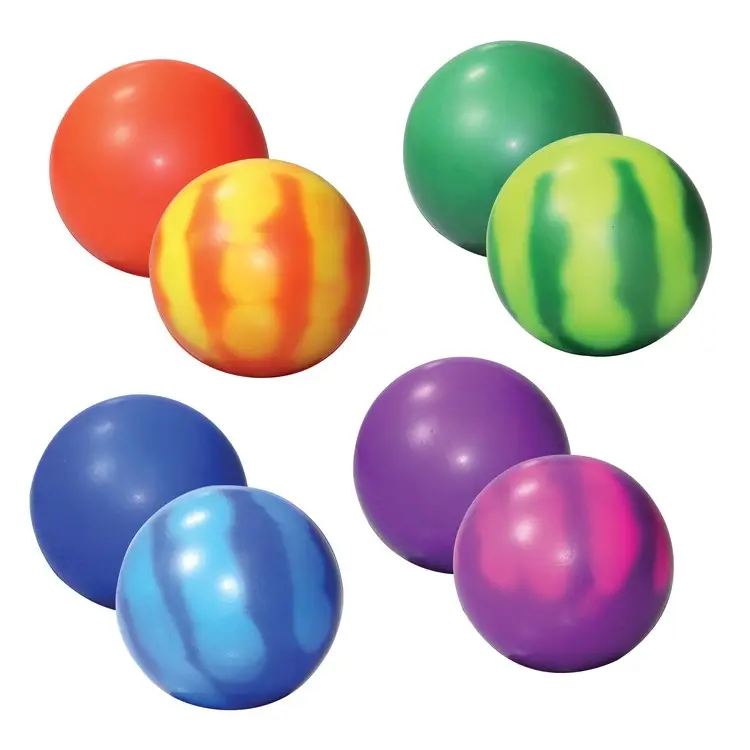
Hand and finger exercises have become increasingly important in our modern world where repetitive motions and prolonged computer use dominate daily activities. Anti stress balls offer a simple yet effective solution for maintaining hand health while simultaneously providing therapeutic benefits for mental well-being. These versatile tools combine physical rehabilitation with stress management, making them invaluable for individuals seeking comprehensive hand care solutions.
The therapeutic potential of anti stress balls extends far beyond their original stress-relief purpose. Healthcare professionals increasingly recommend these devices as part of comprehensive hand therapy programs. Whether recovering from injury, managing chronic conditions, or preventing workplace-related strain, anti stress balls provide accessible exercise options that can be performed anywhere at any time.
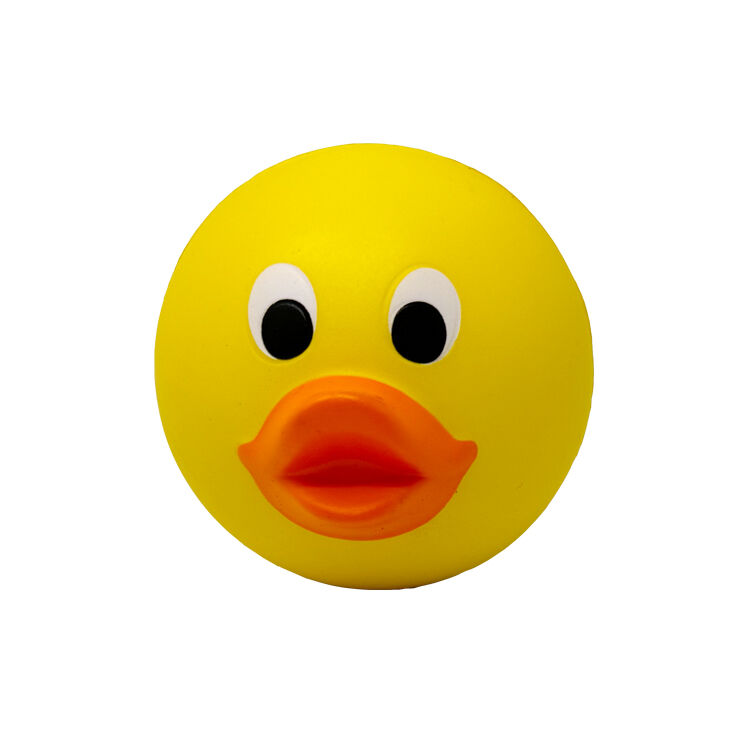
Understanding the Mechanics of Hand Exercise
How Muscle Groups Respond to Compression
When using anti stress balls for exercise, multiple muscle groups engage simultaneously to create the squeezing motion. The flexor muscles in the forearm contract while the intrinsic muscles of the hand coordinate fine motor control. This coordinated effort strengthens grip strength while improving muscle endurance throughout the entire kinetic chain from fingertips to forearm.
The resistance provided by anti stress balls creates progressive overload that stimulates muscle adaptation. As users consistently perform squeezing exercises, muscle fibers develop increased strength and endurance. The variable resistance levels available in different ball densities allow for customized exercise progressions that match individual strength levels and rehabilitation goals.
Blood Flow and Circulation Benefits
Repetitive squeezing motions with anti stress balls promote enhanced circulation throughout the hands and forearms. The rhythmic compression and release action acts as a natural pump that encourages blood flow to distal tissues. Improved circulation delivers essential nutrients to muscle tissues while facilitating the removal of metabolic waste products that can contribute to fatigue and discomfort.
Enhanced blood flow also supports tissue healing and recovery processes. For individuals experiencing conditions such as carpal tunnel syndrome or arthritis, the improved circulation facilitated by anti stress balls can help reduce inflammation and promote tissue repair. The gentle, controlled movements provide therapeutic benefits without placing excessive stress on compromised structures.
Therapeutic Applications for Common Conditions
Rehabilitation After Hand Injuries
Physical therapists frequently incorporate anti stress balls into rehabilitation protocols for various hand injuries. Following fractures, sprains, or surgical procedures, these tools provide controlled resistance that helps restore strength and mobility. The gradual progression possible with different ball densities allows therapists to customize treatment plans according to healing stages and individual patient needs.
The three-dimensional nature of anti stress balls enables exercise in multiple planes of motion, promoting comprehensive rehabilitation. Unlike traditional therapy equipment that may limit movement patterns, these spherical tools allow natural gripping motions that closely mimic functional daily activities. This functional approach to rehabilitation helps patients regain practical hand skills more effectively.
Managing Arthritis and Joint Stiffness
Individuals with arthritis often experience joint stiffness and reduced range of motion that can significantly impact daily functioning. Regular use of anti stress balls helps maintain joint mobility while strengthening surrounding musculature. The gentle resistance provided by these tools offers therapeutic benefits without aggravating inflamed joints.
The warming effect generated through repetitive squeezing motions can help reduce morning stiffness commonly experienced by arthritis patients. As muscles contract and relax during anti stress ball exercises, increased tissue temperature promotes improved flexibility and reduced joint resistance. This natural warming mechanism provides pain relief while supporting improved functional capacity.
Professional Exercise Techniques and Protocols
Basic Strengthening Exercises
Fundamental strengthening exercises with anti stress balls begin with simple full-hand squeezes performed in controlled repetitions. Users should maintain each squeeze for three to five seconds before slowly releasing to maximize muscle engagement. Starting with ten to fifteen repetitions and gradually increasing volume allows for progressive strength development without overexertion.
Advanced strengthening techniques involve finger-specific exercises where individual digits press into the anti stress balls while others remain relaxed. These isolated movements target specific muscle groups while improving finger independence and coordination. Alternating between individual finger presses and full-hand squeezes creates comprehensive exercise sessions that address multiple aspects of hand function.
Dexterity and Coordination Development
Coordination exercises with anti stress balls focus on precise movement patterns that enhance fine motor control. Rolling the ball between fingers while maintaining consistent pressure challenges proprioceptive systems while improving dexterous manipulation skills. These exercises particularly benefit individuals whose occupations require precise hand movements, such as musicians, surgeons, or craftspeople.
Dynamic coordination exercises involve transferring anti stress balls between hands while maintaining continuous pressure. This bilateral coordination challenge engages both hemispheres of the brain while promoting interhemispheric communication. The resulting improvements in coordination extend beyond hand function to support overall motor skill development.
Workplace Integration and Preventive Strategies
Office Environment Applications
Modern office workers face unique challenges related to repetitive strain and prolonged static postures that can compromise hand health. Strategically placed anti stress balls provide convenient exercise opportunities throughout the workday. Brief exercise sessions between typing tasks help counteract the effects of prolonged finger flexion while promoting circulation and muscle activation.
The discrete nature of anti stress balls makes them ideal for workplace use without disrupting professional environments. Unlike larger exercise equipment, these portable tools can be used during meetings, phone calls, or brief breaks between tasks. Regular use throughout the day helps prevent the accumulation of tension that often leads to discomfort and dysfunction.
Industrial and Manual Labor Settings
Workers in industrial settings often experience hand fatigue and strain from repetitive motions or prolonged gripping activities. Anti stress balls provide targeted exercise options that can be implemented during break periods to counteract occupational demands. The strengthening effects help build resilience against workplace-related stress while improving overall hand function.
Pre-shift warm-up routines incorporating anti stress balls prepare hands for demanding activities while reducing injury risk. The gentle activation provided by these exercises increases tissue temperature and improves neuromuscular readiness. Post-shift recovery sessions help facilitate muscle relaxation and promote circulation to support tissue recovery.
Scientific Evidence and Research Findings
Clinical Studies on Effectiveness
Peer-reviewed research demonstrates significant improvements in grip strength following consistent anti stress ball training programs. Studies measuring both maximum grip force and sustained endurance show meaningful gains across diverse populations, including elderly adults, rehabilitation patients, and healthy individuals seeking performance enhancement. The evidence supports anti stress balls as effective tools for strength development.
Longitudinal studies tracking hand function improvements reveal that anti stress balls produce measurable benefits within four to six weeks of consistent use. Participants demonstrated enhanced coordination, reduced pain levels, and improved functional capacity for daily activities. The research validates the therapeutic potential of these simple yet effective exercise tools.
Neurological Benefits and Motor Learning
Neuroscience research indicates that repetitive hand exercises with anti stress balls promote neuroplasticity and motor learning adaptations. The complex sensory feedback generated during squeezing activities stimulates multiple neural pathways involved in motor control and proprioception. These neurological adaptations contribute to improved movement quality and coordination beyond simple strength gains.
Brain imaging studies reveal increased activation in motor cortex regions following anti stress ball training programs. The enhanced cortical representation supports improved motor control and may contribute to reduced risk of age-related motor decline. These findings suggest that anti stress balls offer neuroprotective benefits that extend beyond immediate physical improvements.
Selecting Appropriate Anti Stress Balls
Material Considerations and Durability
The effectiveness of anti stress balls depends significantly on material properties that influence resistance characteristics and durability. High-quality polyurethane materials provide consistent resistance while maintaining shape integrity through repeated use. These materials offer superior longevity compared to cheaper alternatives that may degrade quickly under regular exercise demands.
Surface texture plays an important role in user comfort and exercise effectiveness. Smooth surfaces provide comfortable gripping experiences while textured options offer enhanced sensory feedback that can improve proprioceptive awareness. The choice between surface types should consider individual preferences and specific therapeutic goals.
Resistance Levels and Progression
Anti stress balls are available in multiple resistance levels to accommodate varying strength capabilities and progression needs. Soft resistance balls suit beginners or individuals with compromised hand function, while firm options challenge advanced users or those seeking maximum strength development. Having multiple resistance levels allows for systematic progression as strength and endurance improve.
Color-coding systems help users easily identify appropriate resistance levels and track progression over time. Many manufacturers use consistent color schemes where lighter colors indicate softer resistance and darker colors represent firmer options. This standardization supports effective exercise prescription and progression monitoring in both clinical and home settings.
FAQ
How often should I use anti stress balls for hand exercises
For optimal results, use anti stress balls for 10-15 minutes daily, divided into 2-3 sessions throughout the day. Beginners should start with shorter sessions and gradually increase duration as hand strength improves. Consistency is more important than intensity, so regular daily use produces better outcomes than occasional lengthy sessions.
Can anti stress balls help with carpal tunnel syndrome
Anti stress balls can provide supportive therapy for mild carpal tunnel syndrome by improving circulation and maintaining muscle strength. However, they should complement, not replace, professional medical treatment. Individuals with severe symptoms should consult healthcare providers before beginning any exercise program to ensure appropriate treatment approaches.
What resistance level should beginners choose
Beginners should start with soft or medium resistance anti stress balls that allow comfortable squeezing without causing fatigue within the first few repetitions. The ideal resistance level permits 15-20 repetitions before muscle fatigue occurs. As strength improves, users can progress to firmer resistance levels to continue challenging their muscles effectively.
Are there any risks or contraindications for using anti stress balls
Anti stress balls are generally safe for most individuals, but those with acute injuries, severe arthritis flares, or specific medical conditions should consult healthcare providers before use. Overuse can lead to muscle soreness or aggravation of existing conditions. Users should stop exercising if they experience increased pain or swelling and seek professional guidance when needed.