
 EN
EN



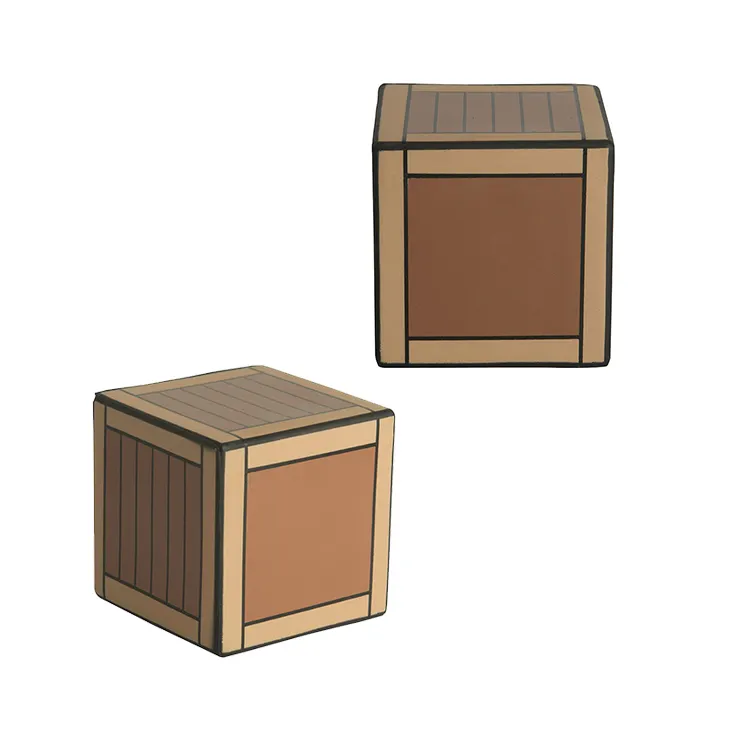
Mental health awareness campaigns have become increasingly vital in today's fast-paced world, where psychological well-being faces constant challenges from work pressure, social expectations, and daily life demands. These campaigns serve as crucial platforms for educating communities about mental health issues while providing practical tools and resources for managing psychological stress. Among the various strategies employed in these initiatives, stress relievers have emerged as powerful tangible tools that bridge the gap between awareness and actionable stress management. By incorporating physical stress management tools into their outreach efforts, organizations can create memorable experiences that reinforce key messages about the importance of mental health care and stress reduction techniques.
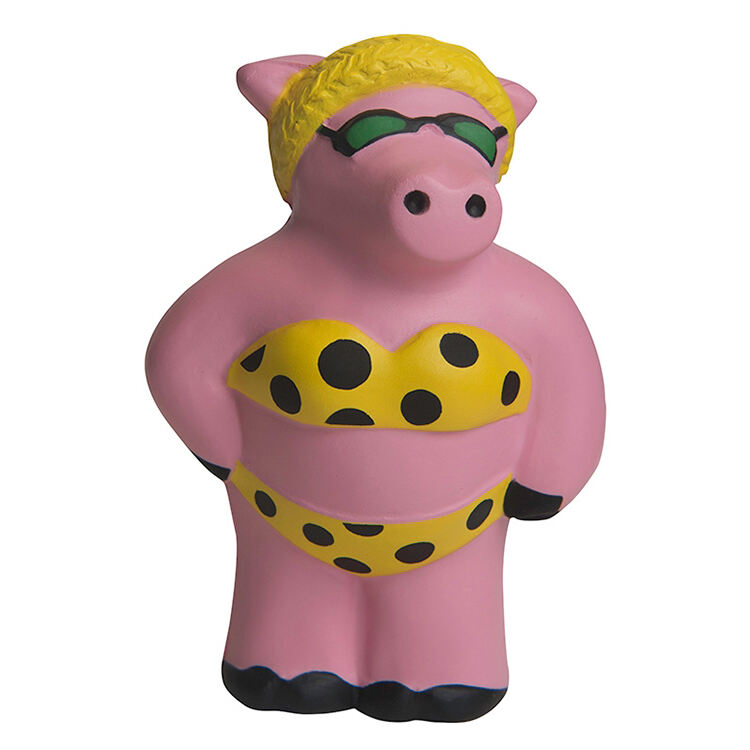
The Psychology Behind Physical Stress Management Tools
Understanding Tactile Stress Response
The human brain processes stress through multiple sensory pathways, with tactile stimulation playing a particularly significant role in activating the body's natural relaxation responses. When individuals engage with physical stress relievers, they trigger neurological pathways that help regulate cortisol levels and promote the release of endorphins. This physiological response creates an immediate sense of relief that can be especially valuable during high-stress situations. Research in neuroscience has demonstrated that repetitive tactile actions, such as squeezing or manipulating objects, can effectively redirect anxious thoughts and provide grounding during moments of psychological distress.
The effectiveness of stress relievers extends beyond simple distraction techniques, as they engage the parasympathetic nervous system responsible for the body's rest and digest functions. This engagement helps counteract the fight-or-flight response that often accompanies chronic stress and anxiety. Mental health professionals frequently recommend incorporating tactile stress management tools into comprehensive treatment plans because they provide individuals with immediate, accessible methods for self-regulation. The portability and simplicity of these tools make them particularly valuable for people who need stress management support throughout their daily routines.
Behavioral Conditioning and Stress Management
Consistent use of stress relievers can create positive behavioral conditioning that strengthens an individual's ability to manage anxiety and stress over time. When people regularly associate the physical act of using these tools with feelings of calm and control, they develop stronger neural pathways that support emotional regulation. This conditioning process makes stress relievers particularly effective components of mental health awareness campaigns, as they provide participants with concrete tools that reinforce campaign messages about the importance of proactive stress management. The repetitive nature of using these tools also creates opportunities for mindfulness practice, helping individuals develop greater awareness of their stress responses and emotional states.
Mental health educators recognize that behavioral conditioning through stress relievers can serve as gateway experiences that encourage individuals to explore more comprehensive stress management techniques. By providing immediate, tangible relief, these tools help people experience the benefits of stress management firsthand, making them more likely to engage with additional mental health resources and support services. This progression from simple stress relief tools to broader mental health awareness represents a fundamental goal of many awareness campaigns: creating pathways that guide individuals toward comprehensive psychological well-being.
Strategic Integration in Awareness Campaigns
Creating Memorable Campaign Experiences
Mental health awareness campaigns that incorporate stress relievers create multi-sensory experiences that significantly enhance message retention and participant engagement. Unlike traditional awareness materials such as brochures or presentations, physical stress management tools provide immediate value that participants can take with them and use repeatedly. This ongoing interaction with campaign materials extends the reach and impact of mental health messages far beyond the initial campaign event. Organizations have discovered that participants who receive stress relievers during awareness events are more likely to remember key campaign messages and share them with others in their personal and professional networks.
The tangible nature of stress relievers also helps break down barriers that often prevent people from engaging with mental health topics. Many individuals feel uncomfortable discussing psychological well-being due to stigma or personal reservations, but the approachable nature of stress management tools can serve as conversation starters that lead to deeper discussions about mental health. Campaign organizers frequently report that stress relievers help create more relaxed, open environments where participants feel comfortable asking questions and sharing their own experiences with stress and anxiety.
Targeting Specific Demographics and Environments
Different types of stress relievers can be strategically selected to resonate with specific demographic groups and campaign environments. Workplace mental health campaigns might utilize professional-looking stress management tools that employees can keep at their desks without feeling self-conscious, while campus awareness events might feature more colorful, engaging designs that appeal to younger audiences. This targeted approach ensures that stress relievers not only provide practical benefits but also align with the cultural and aesthetic preferences of intended campaign audiences. Healthcare organizations often choose stress relievers that complement their clinical environments while still providing effective stress management benefits for patients and visitors.
Educational institutions have found particular success in using stress relievers during exam periods and high-stress academic seasons, when students most need immediate stress management support. By distributing these tools during strategic times throughout the academic year, schools can reinforce ongoing messages about mental health awareness while providing practical support when students face their greatest psychological challenges. Community organizations similarly time their distribution of stress relievers to coincide with known high-stress periods, such as tax season, holiday periods, or economic uncertainty, maximizing the relevance and impact of their mental health awareness efforts.
Measuring Campaign Effectiveness and Impact
Quantitative Assessment Methods
Organizations implementing mental health awareness campaigns with stress relievers can employ various quantitative methods to measure their effectiveness and overall impact on target populations. Distribution tracking provides basic metrics about campaign reach, while follow-up surveys can assess whether participants continue using their stress relievers and report improved stress management capabilities. Many organizations conduct pre- and post-campaign assessments to measure changes in stress levels, mental health awareness, and help-seeking behaviors among participants. These quantitative measures help organizations demonstrate the tangible benefits of incorporating physical stress management tools into their awareness initiatives.
Advanced measurement techniques include tracking engagement with additional mental health resources following campaign participation, monitoring requests for mental health services in campaign areas, and analyzing social media engagement with campaign-related content. Some organizations partner with research institutions to conduct longitudinal studies that examine the long-term impact of stress relievers on participant mental health outcomes. These comprehensive assessment approaches provide valuable data that can inform future campaign strategies and help organizations optimize their use of stress relievers in mental health awareness initiatives.
Qualitative Feedback and Success Stories
Qualitative feedback from campaign participants often reveals the deeper impact that stress relievers have on individual mental health journeys and overall campaign effectiveness. Testimonials frequently describe how these simple tools provided crucial support during difficult periods, helped individuals develop better stress awareness, or served as conversation starters that led to important discussions about mental health. Many participants report that receiving stress relievers during awareness campaigns helped them recognize the legitimacy and importance of prioritizing their psychological well-being. These personal stories provide powerful evidence of how tangible stress management tools can create meaningful connections between awareness campaigns and individual mental health outcomes.
Healthcare professionals and mental health educators often provide feedback about how stress relievers distributed during awareness campaigns benefit their patients and students over time. Therapists report seeing clients who continue using campaign stress relievers months or years later, demonstrating the lasting impact of well-designed awareness initiatives. Educational counselors describe students who credit campaign stress relievers with helping them develop healthier coping mechanisms and greater awareness of their stress management needs. This professional feedback helps organizations understand the broader ecosystem effects of their mental health awareness campaigns and the role that stress relievers play in supporting ongoing mental health care.
Best Practices for Implementation
Selection Criteria for Effective Stress Management Tools
Choosing appropriate stress relievers for mental health awareness campaigns requires careful consideration of factors including target audience demographics, campaign objectives, budget constraints, and practical usability requirements. Effective stress management tools should be durable enough to withstand regular use while remaining small enough for convenient portability in purses, backpacks, or desk drawers. The tactile experience should provide satisfying sensory feedback that genuinely helps users manage stress and anxiety, rather than serving purely as promotional items. Quality stress relievers often feature materials and designs that can withstand repeated squeezing, stretching, or manipulation without losing their effectiveness or structural integrity.
Campaign organizers should also consider the psychological associations that different types of stress relievers might create for their intended audiences. Professional environments might benefit from stress relievers with clean, sophisticated designs that employees feel comfortable using in workplace settings, while community-focused campaigns might choose more colorful, engaging options that appeal to diverse age groups. The size and weight of stress relievers impact their practical usability, with most effective options being large enough to provide satisfying tactile feedback while remaining small enough for convenient daily carry and storage.
Distribution Strategies and Timing
Strategic distribution of stress relievers during mental health awareness campaigns can significantly amplify their impact and ensure maximum utilization by target populations. Peak effectiveness often occurs when distribution coincides with natural high-stress periods in participants' lives, such as academic exam seasons, workplace deadline periods, or community-wide challenging events. Successful campaigns often employ multiple distribution methods, including direct handouts during awareness events, placement in high-traffic areas where people naturally encounter stress, and integration with existing mental health support services. This multi-channel approach ensures that stress relievers reach individuals when they most need stress management support.
Training campaign volunteers and staff members about the proper introduction and explanation of stress relievers enhances their effectiveness as mental health awareness tools. When distributors can briefly explain the stress management benefits and proper usage techniques, recipients are more likely to utilize their stress relievers effectively and understand their connection to broader mental health awareness messages. Some organizations create simple instruction cards that accompany their stress relievers, providing users with basic stress management techniques and information about additional mental health resources. This educational approach transforms simple stress management tools into comprehensive awareness instruments that provide both immediate relief and ongoing mental health education.
FAQ
How do stress relievers specifically support mental health awareness goals
Stress relievers support mental health awareness goals by providing tangible, immediate experiences that demonstrate the effectiveness of proactive stress management techniques. They serve as physical reminders of campaign messages about mental health importance while offering practical tools that individuals can use to manage daily stress and anxiety. These tools help break down barriers to mental health discussions by providing non-threatening entry points for conversations about psychological well-being, making them particularly valuable in communities where mental health stigma might otherwise prevent engagement with awareness initiatives.
What types of stress relievers work best for awareness campaigns
The most effective stress relievers for awareness campaigns are durable, portable, and provide satisfying tactile feedback that genuinely helps users manage stress responses. Squeeze balls, stress cubes, and fidget tools tend to perform well across diverse demographics, while specialized options like stress rings or textured tools might appeal to specific audiences. The key is selecting stress relievers that align with campaign objectives and target audience preferences while maintaining quality standards that ensure long-term usability and positive user experiences.
How can organizations measure the success of stress relievers in their campaigns
Organizations can measure success through both quantitative metrics such as distribution numbers, follow-up survey responses, and engagement with additional mental health resources, as well as qualitative feedback including participant testimonials and professional observations. Long-term assessment might track whether participants continue using their stress relievers, report improved stress management capabilities, or demonstrate increased mental health awareness and help-seeking behaviors following campaign participation.
What budget considerations apply to incorporating stress relievers into awareness campaigns
Budget considerations include the cost per unit of stress relievers, quantity needed for target population reach, customization or branding expenses, and distribution logistics costs. Organizations should balance quality requirements with budget constraints, recognizing that more durable, effective stress relievers may provide better long-term value despite higher upfront costs. Many organizations find that the measurable impact and positive feedback from quality stress relievers justify their investment as essential components of comprehensive mental health awareness strategies.
Table of Contents
- The Psychology Behind Physical Stress Management Tools
- Strategic Integration in Awareness Campaigns
- Measuring Campaign Effectiveness and Impact
- Best Practices for Implementation
-
FAQ
- How do stress relievers specifically support mental health awareness goals
- What types of stress relievers work best for awareness campaigns
- How can organizations measure the success of stress relievers in their campaigns
- What budget considerations apply to incorporating stress relievers into awareness campaigns