
 EN
EN



In today's fast-paced world, finding effective ways to manage stress has become a priority for people of all ages. Among the growing variety of stress relief products on the market, squishy toys have emerged as a surprisingly popular and accessible option. From office desks to classroom settings and children's playrooms, these soft, slow-rising novelty items are showing up everywhere — and for good reason. Understanding how they stack up against more conventional stress relief tools can help individuals and businesses make smarter decisions about what actually works.
Traditional stress relief tools — things like stress balls, fidget spinners, resistance hand grippers, and meditation aids — have long been the go-to solutions in wellness and occupational therapy circles. But squishy toys bring a different kind of sensory experience to the table. Their soft texture, playful designs, and slow-rising foam mechanics engage the senses in ways that many conventional tools simply do not. This article takes an in-depth look at how squishy toys compare to traditional stress relief tools across several important dimensions — from tactile engagement and portability to appeal and practical use cases.
Understanding the Core Appeal of Squishy Toys
Sensory Engagement Through Texture and Form
One of the most defining characteristics of squishy toys is the deeply satisfying tactile feedback they provide. When you squeeze a slow-rising foam toy, your hand experiences a gradual resistance followed by a smooth return to shape. This mechanic engages multiple sensory channels simultaneously — touch, sight, and sometimes even smell, as many squishy toys are scented. Traditional stress balls typically offer a single kind of resistance feedback and rarely engage more than one sense at a time.
The visual dimension of squishy toys also sets them apart. Their vibrant colors, realistic food-inspired designs, and playful characters create a visual stimulus that plain stress balls or hand grippers cannot replicate. This multi-sensory engagement is particularly effective for individuals who benefit from visual and tactile stimulation simultaneously — including children, individuals managing anxiety, or anyone who needs a quick sensory reset during a hectic day.
In occupational therapy contexts, sensory engagement is recognized as a meaningful pathway to emotional regulation. The gentle compression and release cycle of squishy toys can trigger a calming physiological response similar to deep pressure stimulation, which is a well-documented technique for stress and anxiety management. While traditional tools also leverage compression mechanics, the soft, pliable nature of squishy toys makes the experience gentler and more accessible for a wider demographic.
Design Variety and Personalization Factor
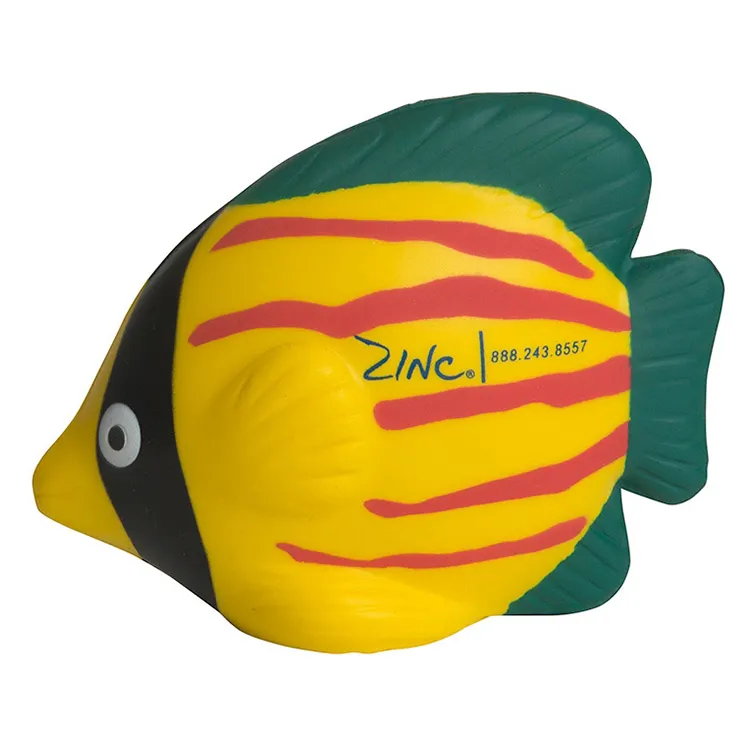
Traditional stress tools tend to be utilitarian in appearance. A standard stress ball is typically a round, monochromatic foam item, and a fidget spinner is primarily a mechanical device. Squishy toys, on the other hand, come in an enormous variety of shapes — from watermelons and bread rolls to adorable animals and popular cartoon characters. This design diversity makes them far more personal and emotionally engaging for users.
The personalization factor matters more than it might initially seem. When a stress relief tool is visually appealing or connected to something the user enjoys, they are more likely to use it regularly. Consistent use is what drives actual stress relief outcomes. Squishy toys tap into this psychology effectively, especially for younger users or adults who appreciate novelty and playfulness in their workspace accessories.
For businesses sourcing promotional items or wellness gifts, this design flexibility adds significant value. A branded or themed squishy toy can serve both as a stress relief tool and a marketing asset, something a plain rubber stress ball rarely achieves with the same level of engagement or memorability.
Traditional Stress Relief Tools: Strengths and Limitations
The Functional Credentials of Conventional Tools
Traditional stress relief tools were designed with a specific functional goal in mind: to provide a physical outlet for tension and anxiety. Stress balls, for instance, have been used in clinical and workplace wellness settings for decades. They improve hand strength, reduce muscle tension, and provide a simple, repeatable compression exercise that many therapists recommend. Resistance-based tools like hand grippers go a step further by offering progressive resistance levels suited to physical rehabilitation.
Meditation aids such as breathing trainers or smooth worry stones provide a different kind of stress relief — one centered on mindfulness and focused attention rather than physical compression. These tools have established research backing them and are integrated into formal therapeutic practices in ways that squishy toys are not yet widely associated with. Their credibility within clinical environments remains a significant strength that newer novelty items have not fully replicated.
That said, functional credentials alone do not determine real-world usage. A tool that is clinically validated but rarely used offers limited practical benefit. This is where squishy toys often outperform their traditional counterparts — not by being more medically rigorous, but by being more consistently and enthusiastically used by the people who own them.
Limitations That Open the Door for Squishy Toys
Traditional stress tools come with notable limitations that directly explain the growing popularity of squishy toys. First, many conventional tools are visually dull. When a tool looks like medical equipment or an office supply, it rarely inspires genuine enthusiasm or emotional connection. The absence of an emotional hook means users are less likely to reach for the tool when stress arises unless they are highly disciplined about their wellness routines.
Second, traditional tools often have a narrow demographic appeal. Hand grippers are primarily marketed to adults, while worry stones tend to skew toward older users familiar with mindfulness practices. Squishy toys cross age demographics effortlessly — they are equally appealing to a five-year-old and a thirty-five-year-old, which gives them a versatility that most traditional options cannot match.
Third, many traditional tools lack the playful, low-stakes quality that makes stress management feel accessible rather than clinical. When stress relief feels like another task on a to-do list, it rarely happens. Squishy toys lower the psychological barrier to use by framing stress relief as something enjoyable rather than something prescribed.
Portability, Durability, and Everyday Practicality
How Squishy Toys Perform in Daily Environments
Squishy toys are among the most portable stress relief products available. Their lightweight foam construction means they can be tucked into a jacket pocket, placed on a desk, or stored in a bag without adding noticeable bulk or weight. This portability makes them easy to have on hand at the exact moment stress strikes — whether during a commute, a meeting, or a difficult phone call. Traditional tools like resistance bands or massage devices often require more space or deliberate setup.
From a durability standpoint, high-quality squishy toys made with slow-rising polyurethane foam hold their shape well over extended use. They resist tearing, do not deflate like traditional stress balls filled with gel or sand, and maintain their tactile properties for longer periods under normal handling conditions. This makes them a cost-effective choice for everyday casual use, particularly in environments where items are handled frequently.
In educational settings, squishy toys have also proven practical for managing sensory needs among students. Teachers and therapists use them as fidget tools that keep hands occupied without creating excessive noise or distraction — something that mechanical fidget tools like spinners have struggled with in classroom environments. The quiet, non-mechanical nature of squishy toys gives them a practical edge in noise-sensitive spaces.
Care, Maintenance, and Longevity Considerations
One practical consideration for any stress relief tool is how easy it is to maintain. Traditional rubber or vinyl stress balls can crack, develop odors, or lose their compression responsiveness over time. Squishy toys, depending on material quality and usage intensity, may develop surface staining or minor compression loss with heavy use, but they generally remain functional and visually appealing far longer than lower-grade traditional options.
Cleaning squishy toys is straightforward — a gentle wipe with a damp cloth usually suffices for routine maintenance. This simplicity makes them suitable for shared environments like classrooms or therapy rooms where hygiene is a concern. Traditional cloth-covered stress balls, by contrast, can absorb oils and bacteria over time and are harder to sanitize effectively.
For businesses or institutions purchasing in bulk, the ease of care and strong visual longevity of squishy toys adds to their overall value proposition. When a product continues to look good and function well over time, users are more likely to keep it nearby and continue using it — which directly supports its stress relief purpose.
Emotional and Psychological Dimensions of the Comparison
The Role of Playfulness in Stress Relief
One of the most underappreciated advantages of squishy toys over traditional tools is the emotional quality of playfulness. Research in positive psychology consistently shows that play — even in small doses — activates reward circuits in the brain, reduces cortisol levels, and creates a momentary psychological distance from stressors. Traditional stress tools are not designed to be playful; they are designed to be functional. Squishy toys achieve both simultaneously.
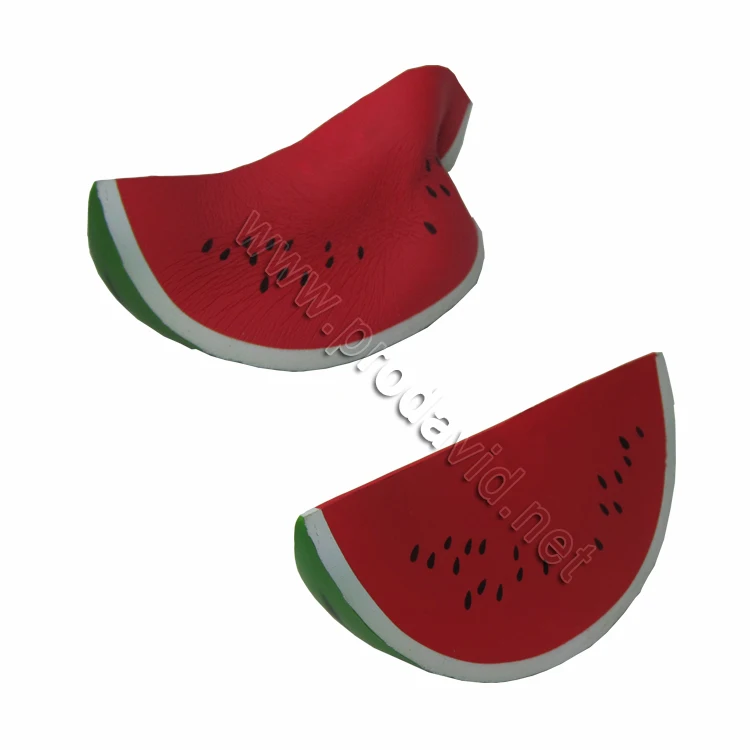
When an adult squeezes a slow-rising watermelon-shaped toy and watches it return to its original form, there is a brief but genuine moment of delight. That moment interrupts the stress cycle in a way that squeezing a plain foam ball simply does not. The novelty, the visual reward, and the satisfying tactile feedback combine to create a micro-recovery experience that supports mood regulation throughout the day.
This is not to suggest that squishy toys replace therapeutic tools in clinical settings. Rather, it highlights that for everyday, non-clinical stress management — the kind most people deal with at work, at school, or at home — the emotional dimension of a tool is just as important as its physical mechanics. Squishy toys succeed precisely because they deliver emotional value alongside sensory function.
Age-Appropriate Appeal and Inclusivity
Stress does not discriminate by age, and neither do squishy toys. One of the most compelling aspects of these toys is that they appeal genuinely to children, teenagers, and adults alike. A child finds them fun and comforting; a teenager appreciates them as a fidget tool or collector's item; an adult uses them for desk stress relief or as a tactile distraction during mentally demanding tasks. Very few traditional stress tools span this entire demographic range.
For parents seeking age-appropriate stress management support for younger children, squishy toys offer a non-intimidating, fun introduction to the concept of self-soothing. For corporate wellness programs targeting adult employees, they serve as lighthearted, low-cost additions to wellness kits that signal care and thoughtfulness without feeling overly clinical or serious.
The inclusive appeal of squishy toys also makes them effective as gifts in ways that traditional tools rarely are. A stress ball is a practical gift; a beautifully designed slow-rising food-themed squishy toy is a memorable one. That distinction matters in relationship-building contexts, whether personal or professional.
FAQ
Are squishy toys as effective as traditional stress balls for reducing anxiety?
Squishy toys and traditional stress balls work through similar compression-based mechanisms, but squishy toys offer an additional layer of sensory and emotional engagement thanks to their slow-rising foam, appealing designs, and tactile variety. For everyday non-clinical stress management, many users find squishy toys more consistently useful simply because they are more enjoyable to use. For targeted hand therapy or clinical rehabilitation, traditional resistance tools may still be more appropriate.
Can squishy toys be used in professional or workplace settings?
Yes, squishy toys are well-suited for workplace environments. Their quiet, non-mechanical operation means they do not disturb colleagues, and their compact size allows them to sit unobtrusively on a desk. Many companies include squishy toys in employee wellness kits or as branded promotional items, recognizing their dual value as functional stress relief tools and engaging novelty items that reflect positively on company culture.
How do squishy toys hold up compared to traditional tools in terms of durability?
High-quality squishy toys made from slow-rising polyurethane foam are generally durable under normal daily use conditions. They do not deflate like gel-filled stress balls and are less prone to cracking than rubber alternatives. With proper handling and occasional cleaning, a well-made squishy toy can maintain its shape and function for an extended period, making it a cost-effective choice for both personal and bulk purchasing scenarios.
Who benefits most from using squishy toys over traditional stress tools?
Children, individuals with sensory processing needs, and adults who prefer a more engaging and visually stimulating stress relief experience tend to benefit most from squishy toys. They are particularly effective in educational settings, creative workspaces, and casual wellness contexts. For users who need structured clinical-grade intervention — such as post-injury hand rehabilitation — traditional resistance-based tools remain more suitable. However, for the vast majority of everyday stress management needs, squishy toys offer a compelling and accessible solution.