
 EN
EN



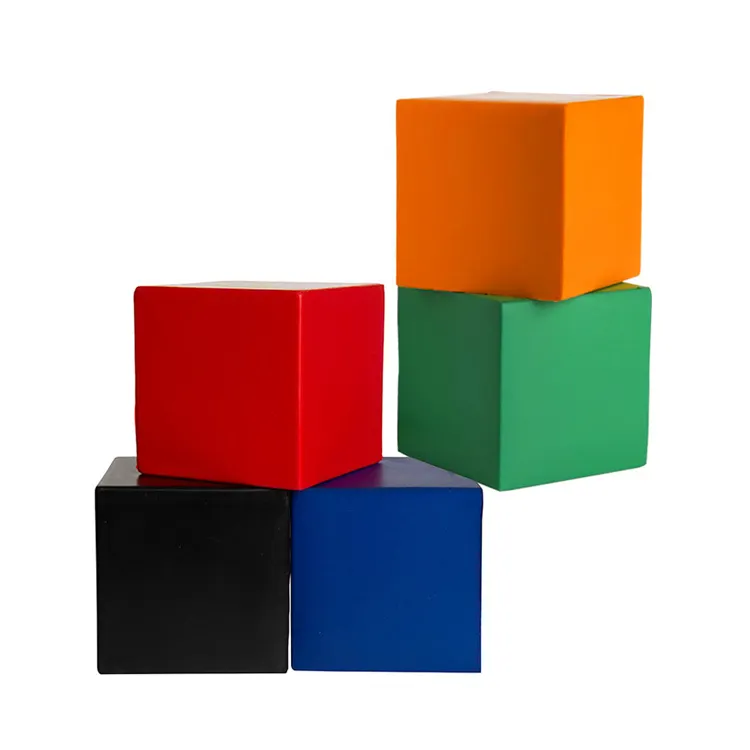
In today's high-pressure work environments, stress management tools have become an everyday necessity rather than a luxury. Among the many options available, memory foam stress balls have emerged as a consistently preferred choice for professionals, students, and anyone dealing with ongoing tension. Their popularity is not simply a trend — it reflects a genuine alignment between the material's physical properties and the practical demands of repeated, long-term daily use.
Understanding why memory foam stress balls outperform alternatives over extended periods requires a closer look at the material science behind them, the ergonomic benefits they provide, and the way they hold up under sustained use. This article explores those factors in depth, helping buyers, wellness coordinators, and procurement professionals make informed decisions when selecting stress relief tools built to last.
The Material Science Behind Memory Foam Stress Balls
What Makes Memory Foam Uniquely Suitable
Memory foam, originally developed for aerospace applications, is a viscoelastic polyurethane material that responds to both pressure and heat. This dual sensitivity is what gives memory foam stress balls their distinctive feel — they compress slowly under grip and return to their original shape at a controlled rate. This behavior is fundamentally different from rubber or gel alternatives, which either spring back immediately or remain deformed.
The slow recovery rate of memory foam stress balls is not just a tactile novelty — it serves a genuine functional purpose. The extended engagement between the hand and the material allows muscles and tendons to go through a fuller range of compression and release. Over time, this rhythm contributes to meaningful tension relief in the hands, fingers, and wrists, making each squeeze more therapeutically effective than a quick-rebound squeeze toy.
From a material durability standpoint, high-density memory foam retains its cellular structure far longer than latex or rubber alternatives. The internal foam cells deform and recover without breaking down, which means the ball maintains consistent resistance and rebound characteristics even after thousands of compressions. This structural resilience is a primary reason why memory foam stress balls are considered a long-term investment rather than a disposable item.
How Density and Firmness Affect Long-Term Performance
Not all memory foam is created equal. The density of the foam — typically measured in kilograms per cubic meter — directly determines how firm the ball feels and how well it maintains its shape over months of use. Higher-density memory foam stress balls offer a more resistant squeeze, which can be especially valuable for users building grip strength or recovering from hand fatigue. Lower-density options provide a gentler, more cushioned feel suited to relaxation-focused use.
Crucially, the relationship between density and long-term performance is significant. Low-density foam tends to compress permanently over time, losing its responsive feel. In contrast, medium-to-high density memory foam in quality memory foam stress balls maintains its original recovery speed and shape even after extended use cycles. This makes density a key specification when evaluating durability claims for stress relief products.
For procurement teams sourcing memory foam stress balls for offices, wellness programs, or promotional use at scale, understanding density specifications ensures that the products selected will continue to serve their intended purpose throughout their lifecycle rather than degrading within weeks of regular use.
Ergonomic Benefits That Support Repeated Daily Use
Hand Comfort and Natural Grip Alignment
One of the most frequently cited reasons for preferring memory foam stress balls over harder alternatives is the way the material conforms to the hand. When squeezed, memory foam distributes pressure evenly across the palm and fingers rather than concentrating it at contact points. This conforming behavior reduces the likelihood of discomfort, irritation, or fatigue during extended squeezing sessions.
For users who engage with stress relief tools multiple times throughout a workday — a common pattern among office workers, remote professionals, and students — this ergonomic quality matters considerably. Memory foam stress balls allow for sustained use without the hand soreness that can accompany repeated contact with rigid or high-resistance materials. The tactile experience remains comfortable session after session.
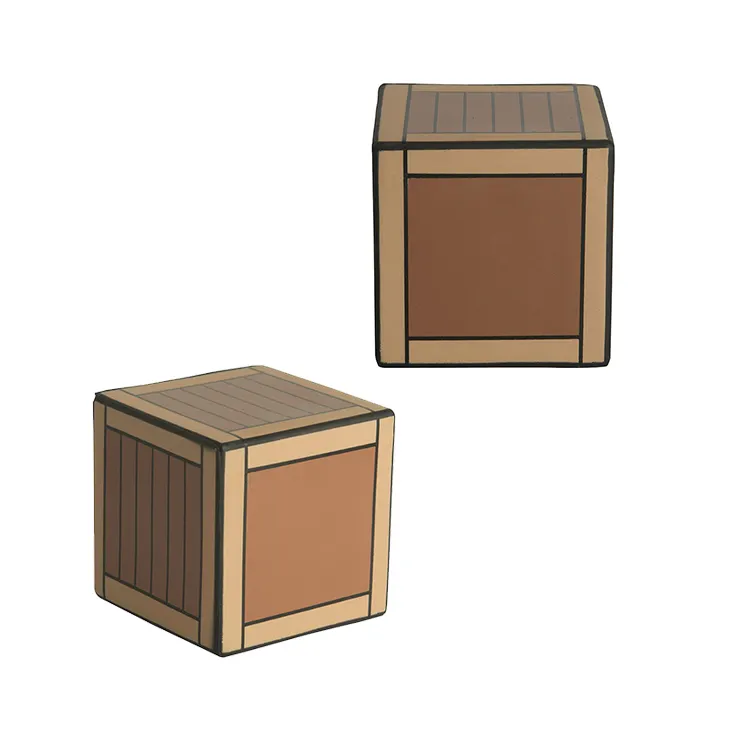
The cube-shaped design seen in many memory foam stress balls adds an additional ergonomic dimension. Unlike spherical stress balls that can shift in the palm, the flat faces of a cube-shaped design provide stable grip surfaces, allowing users to apply consistent pressure with less hand repositioning. This increases the efficiency of each stress relief session and makes the product easier to use while seated at a desk.
Supporting Hand Health Over the Long Term
Regular use of memory foam stress balls can contribute to maintaining hand flexibility and circulation, particularly among users who spend long hours typing, writing, or performing repetitive hand movements. The gentle resistance offered by memory foam encourages micro-movements in the joints and muscles that might otherwise remain static during desk work.
Occupational health professionals frequently recommend low-impact hand exercises for individuals at risk of repetitive strain issues. Memory foam stress balls fit naturally into this category of intervention. Their forgiving resistance level means users can engage with them for extended periods without risking overexertion, unlike firmer rubber balls that may place excessive strain on tendons during prolonged use.
The combination of ergonomic conformity and appropriate resistance makes memory foam stress balls a genuinely practical long-term wellness tool rather than a novelty accessory. For corporate wellness coordinators and HR professionals, this functional credibility adds value when introducing stress relief programs into workplace environments.
Durability and Consistency Through Extended Use Cycles
Resistance to Deformation and Shape Loss
One of the most practical arguments in favor of memory foam stress balls for long-term use is their resistance to permanent deformation. Gel-filled stress balls can develop lumps, tears, or uneven density over time. Rubber stress balls may harden, crack, or lose elasticity as the material ages. Memory foam, by contrast, maintains a consistent texture and recovery behavior across a significantly longer use window.
This consistency is especially important in contexts where multiple users handle the same stress relief tools — shared office environments, waiting rooms, therapy settings, or educational facilities. Memory foam stress balls do not visibly degrade in a way that makes them feel worn-out or unhygienic, which supports their ongoing use in shared-access environments over long periods.
The outer covering of quality memory foam stress balls also plays a role in longevity. Many products in this category feature a smooth, breathable fabric or soft polyurethane skin that protects the foam interior from surface abrasion while remaining comfortable to touch. This exterior protection extends the effective service life of the product and helps maintain its appearance over time.
Performance Consistency Across Temperature and Humidity Conditions
Memory foam's viscoelastic properties mean it responds to temperature changes — it becomes slightly softer in warm conditions and marginally firmer in cooler environments. For most everyday use contexts, this variation is minor and actually enhances the sensory experience, as the foam quickly warms to the user's body temperature during handling.
Unlike gel-based stress balls, which can become uncomfortably cold in air-conditioned environments or overly soft in warm climates, memory foam stress balls adapt naturally to ambient conditions without dramatically changing their performance characteristics. This thermal adaptability supports consistent daily use across different working environments, seasons, and climates.
For organizations distributing memory foam stress balls across multiple regional offices or geographic markets, this performance stability across temperature conditions is a practical advantage. It ensures that the product delivers a comparable user experience regardless of the physical environment in which it is used.
Psychological and Sensory Reasons for Long-Term Preference
The Role of Tactile Feedback in Stress Relief Effectiveness
Stress relief products are only effective if users consistently want to use them. This is where the sensory quality of memory foam stress balls creates a meaningful advantage. The slow, satisfying compression-and-recovery cycle of memory foam provides a form of tactile feedback that users find genuinely calming and engaging. This quality encourages habitual use, which is essential for any long-term stress management tool to deliver results.
Research in sensory psychology suggests that slow, rhythmic tactile engagement activates the parasympathetic nervous system, contributing to a measurable reduction in perceived stress and anxiety. The deliberate pace at which memory foam stress balls respond to pressure aligns well with this mechanism, making each squeeze a genuinely grounding sensory experience rather than a reflexive fidget action.
This sensory appeal also means that users are less likely to set the product aside after a few weeks. Many stress tools lose their novelty quickly and end up unused in desk drawers. Memory foam stress balls maintain their sensory appeal over time precisely because the material continues to respond in a consistently satisfying way, reinforcing the habit of use.
Visual and Physical Form Factors That Encourage Desk Presence
The physical design of memory foam stress balls — particularly in cube and compact geometric formats — makes them naturally suited to desk environments. They sit stably on work surfaces, are easy to pick up with one hand, and occupy a minimal footprint. These practical qualities mean users are more likely to keep them visible and within reach throughout the workday.
Visibility is an underrated factor in the long-term use of stress management tools. When a stress relief product is conveniently positioned within arm's reach, users engage with it spontaneously during moments of tension rather than needing to seek it out deliberately. Memory foam stress balls in thoughtful form factors support this kind of passive, routine accessibility.
For corporate buyers considering memory foam stress balls as branded promotional items or employee wellness gifts, the desk-friendly form factor also increases brand visibility. A product that remains on a desk and gets handled regularly offers sustained exposure — a practical benefit that complements the product's intrinsic value as a stress management tool.
FAQ
How long do memory foam stress balls typically last with daily use?
With regular daily use, high-quality memory foam stress balls typically maintain their performance characteristics for one to three years or more, depending on foam density and the intensity of use. The cellular structure of memory foam is inherently resilient, and unlike gel or rubber alternatives, it does not crack, harden, or leak with age. Proper storage away from direct sunlight and extreme heat will further extend their service life.
Are memory foam stress balls safe for users with hand sensitivity issues?
Memory foam stress balls are generally well-suited for users with hand sensitivity, joint stiffness, or early-stage repetitive strain concerns because their resistance level is gentle and adjustable through grip force. The conforming nature of memory foam distributes pressure evenly, avoiding the pressure concentration that harder stress balls can produce. However, users with specific medical conditions should consult a healthcare provider before beginning any hand exercise routine.
Can memory foam stress balls be used as part of a workplace wellness program?
Yes, memory foam stress balls are well-suited to workplace wellness programs. They are compact, quiet, non-disruptive, and require no setup or instruction. Their durability and sensory appeal support consistent use over time, which is essential for any wellness initiative to generate lasting behavioral change. Many organizations incorporate them into employee onboarding kits, ergonomic wellness packages, or mental health awareness campaigns.
What distinguishes memory foam stress balls from standard foam or rubber stress balls?
The key distinction lies in the viscoelastic properties of memory foam. Standard foam returns to its original shape almost instantly after compression, while rubber provides high resistance with little conformity. Memory foam stress balls respond to both pressure and temperature, compressing slowly and recovering at a controlled pace. This behavior creates a more ergonomic, tactilely satisfying, and therapeutically effective experience — and the material's durability ensures this performance is maintained consistently over long-term use.
Table of Contents
- The Material Science Behind Memory Foam Stress Balls
- Ergonomic Benefits That Support Repeated Daily Use
- Durability and Consistency Through Extended Use Cycles
- Psychological and Sensory Reasons for Long-Term Preference
-
FAQ
- How long do memory foam stress balls typically last with daily use?
- Are memory foam stress balls safe for users with hand sensitivity issues?
- Can memory foam stress balls be used as part of a workplace wellness program?
- What distinguishes memory foam stress balls from standard foam or rubber stress balls?