
 EN
EN



Exam periods rank among the most psychologically demanding phases in a student's academic journey. The combination of information overload, time pressure, sleep deprivation, and performance anxiety can push even the most prepared students toward burnout. In this high-stakes environment, stress relief products have emerged as practical, accessible, and increasingly recognized tools that help students manage their emotional and cognitive load without disrupting their study routines.
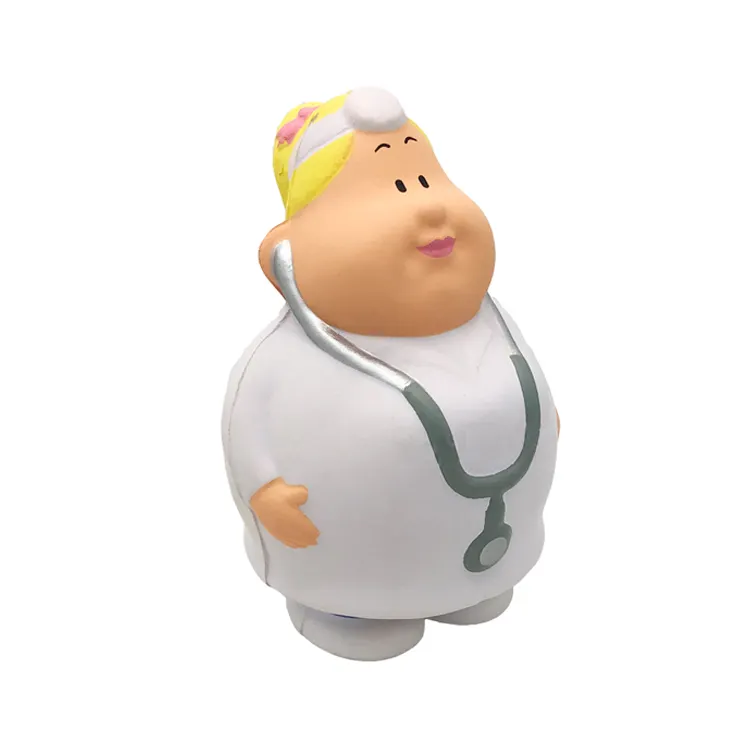
The use of stress relief products during exam season is no longer considered a novelty. Schools, universities, student wellness centers, and promotional gifting programs have all integrated these tools into broader student support strategies. From foam squeeze balls shaped like graduation hats to sensory fidget tools and calming tactile objects, these products serve a specific function — giving the nervous system a brief, controlled outlet for tension so that mental energy can be redirected toward learning. Understanding how these products work, why they matter, and how to deploy them effectively can help educators, administrators, and students make smarter decisions about managing exam-period stress.
The Psychological Mechanism Behind Stress Relief Products
Why Physical Activity Reduces Mental Tension
When students experience exam-related anxiety, their bodies activate the fight-or-flight response, flooding the system with cortisol and adrenaline. This physiological state is designed for immediate physical action, not for sitting still and recalling memorized content. Stress relief products work by giving the body a small, controlled physical action — squeezing, pressing, or manipulating a soft object — which provides an outlet for that built-up physical tension without requiring students to leave their environment or pause their study session entirely.
Research in occupational therapy and behavioral psychology has shown that repetitive tactile engagement can calm the central nervous system. The act of squeezing a foam object, for instance, mimics a simplified version of progressive muscle relaxation, where alternating tension and release signals the brain that the threat response is no longer needed. This mechanism makes stress relief products particularly well-suited for students in high-pressure academic settings because the intervention is brief, discreet, and does not demand additional cognitive resources.
For students who struggle with anxiety-driven fidgeting or nervous energy that interferes with focus, having a designated stress relief product to interact with channels that energy constructively. Instead of tapping pens, shaking legs, or disengaging from the task at hand, students can redirect physical tension into a purposeful object. Over time, this builds a conditioned association between using the product and entering a calmer, more focused mental state.
The Role of Sensory Engagement in Cognitive Recovery
Sustained academic work depletes the brain's attentional resources. This phenomenon, often called mental fatigue, leads to reduced concentration, slower processing, and increased emotional irritability — all of which amplify exam anxiety. Stress relief products engage different sensory pathways, particularly tactile and proprioceptive channels, that are not heavily taxed during reading or writing. This cross-modal engagement gives the primary cognitive pathways a brief recovery window while keeping students physically and mentally engaged.
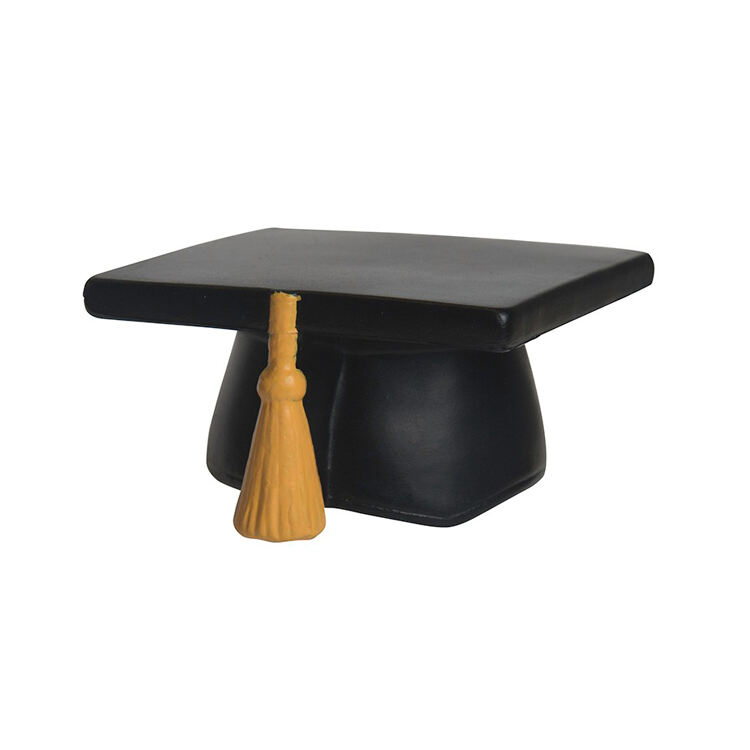
High-quality foam-based stress relief products, such as those crafted in graduation hat shapes or other motivationally resonant designs, add an additional layer of psychological value. The visual and symbolic reference to academic achievement serves as a subtle motivational cue, reminding students of the goal they are working toward. When sensory engagement combines with positive symbolic association, the effectiveness of stress relief products as a mental recovery tool is meaningfully enhanced.
How Stress Relief Products Fit Into Student Wellness Programs
Integration Into Campus and Classroom Support Initiatives
Educational institutions increasingly recognize that academic success depends not only on intellectual preparation but also on emotional and psychological stability. Student wellness programs that include stress relief products as part of their exam support toolkit report higher student engagement with wellness resources overall. The low barrier to entry — these products require no training, no appointment, and no significant time investment — makes them ideal for widespread distribution in dormitories, libraries, exam halls, and student centers.
Distributing stress relief products during orientation, pre-exam wellness events, or as part of care packages sends a clear institutional message: student wellbeing is taken seriously. This symbolic communication matters. When students feel supported by their institution, they are more likely to utilize wellness resources broadly, seek help when needed, and maintain a healthier relationship with academic pressure. Stress relief products serve as a tangible, daily reminder of that institutional support.
Many universities and student organizations have also adopted stress relief products as part of promotional gifting campaigns tied to specific exam seasons or academic milestones. A graduation-themed foam stress ball, for example, is simultaneously a functional wellness tool and a meaningful keepsake that resonates with students preparing to complete their degree. This dual functionality makes such products highly effective in institutional gifting contexts.
Personalized Use for Individual Study Strategies
Beyond institutional programs, individual students benefit greatly from incorporating stress relief products into their personal study routines. Many students develop highly individual responses to stress — some become hyperactive and unfocused, while others freeze and disengage. Stress relief products can be adapted to both profiles. For hyperactive stress responders, physically engaging products provide a controlled outlet that reduces restless energy. For students who shut down under pressure, the sensory stimulation of stress relief products can restore alertness and re-engage the nervous system.
Students who build consistent routines around stress relief products often find that the products become behavioral anchors. Using a stress ball before beginning a study session, for example, can signal to the brain that it is time to transition into focused work mode. This kind of conditioned routine is a well-documented technique in performance psychology and is particularly useful for students who struggle with the transition from rest or anxiety to productive academic engagement.
Why Promotional Stress Relief Products Are Effective for Academic Gifting
The Value of Thoughtful, Purpose-Driven Gifts
From a B2B and institutional procurement perspective, stress relief products represent one of the most thoughtful categories of promotional gifting available for academic contexts. Unlike generic branded merchandise, stress relief products directly address a real and widely experienced student need. When an institution or organization distributes these products, recipients immediately understand their purpose and appreciate the practical value being offered. This clarity of intent drives higher retention and daily use rates compared to most other categories of promotional merchandise.
The graduation hat shape, in particular, is a design choice that carries significant motivational weight in academic gifting. It connects the act of stress management with the aspirational goal of academic completion, creating a psychological bridge between present difficulty and future achievement. Students who keep such stress relief products at their study desks are subtly reminded of their purpose even when they are not actively using the product. This ambient motivational function adds long-term value that purely functional stress relief products may lack.
For organizations that provide student support, wellness services, or academic enrichment programs, customizing stress relief products with logos, motivational messages, or institutional branding further extends the product's communication value. Every time a student uses the product during a stressful study session, the associated brand earns a positive emotional impression — a rare and valuable outcome in promotional marketing.
Quality Considerations for Maximum Effectiveness
Not all stress relief products deliver the same user experience, and in the context of student wellness, quality matters more than price alone. Products made from high-density, slow-rebound PU foam offer the ideal tactile resistance for effective stress engagement. They are firm enough to provide meaningful physical feedback when squeezed, yet soft enough to return quickly to shape and resist deterioration from repeated use. Students who use a product daily during exam preparation need confidence that it will maintain its form and function throughout the season.
Durability, non-toxic materials, and consistent shape retention are the baseline quality requirements for stress relief products intended for student use. Products that quickly lose their shape, emit chemical odors, or produce an unsatisfying tactile response are quickly abandoned — defeating the purpose of the wellness initiative they were meant to support. Institutional procurement teams and wellness coordinators should evaluate these factors carefully when selecting stress relief products for student distribution.
Practical Scenarios Where Stress Relief Products Make the Most Impact
Before and During Exam Preparation Sessions
The period immediately before an exam — often characterized by intense cramming and mounting anxiety — is where stress relief products have the most immediate impact. A student who spends ten to fifteen minutes engaging with a foam stress ball before beginning their final review session can measurably reduce their cortisol levels and enter the study period in a calmer, more receptive cognitive state. This pre-session ritual is one of the most practical applications of stress relief products in academic settings.
During long study sessions, brief breaks involving stress relief products serve as micro-recovery moments. Instead of picking up a phone and spiraling into social media distraction, a student can squeeze a stress ball for sixty seconds, reset their nervous system, and return to their work refreshed. This kind of structured micro-break is far more cognitively beneficial than the unstructured technology breaks most students default to, and stress relief products make this behavior accessible and easy to practice.
During Exam Waiting Periods and Post-Exam Recovery
The anxious waiting period outside an exam hall is a well-recognized psychological pressure point. Students who have access to stress relief products during this window have a concrete, socially acceptable way to manage their anxiety. Rather than engaging in catastrophic thinking or absorbing the stress of peers around them, they can redirect attention to a physical, tactile engagement that keeps the nervous system in a more regulated state as the exam begins.
Post-exam recovery is another underappreciated area where stress relief products add value. The adrenaline and cortisol surge associated with exam performance does not immediately subside when the exam ends. Students who use stress relief products during their recovery period — alongside rest and light physical activity — return to baseline faster and are better prepared for subsequent exams. In this way, stress relief products contribute to sustained performance across an entire exam season rather than just during isolated high-stress moments.
FAQ
What makes foam-based stress relief products particularly suitable for students?
Foam-based stress relief products offer the ideal combination of tactile feedback, durability, and portability for student use. They are lightweight enough to carry anywhere, durable enough to withstand repeated daily use, and provide the kind of physical resistance that effectively engages the nervous system's relaxation response. High-density PU foam products in particular maintain their shape and tactile properties over extended use periods, making them a reliable tool throughout an entire exam season.
How often should students use stress relief products during exam preparation?
There is no strict prescription, but most behavioral wellness approaches suggest brief, regular use is more effective than infrequent extended sessions. Using stress relief products for one to three minutes before beginning a study session, during short study breaks every forty-five to sixty minutes, and during high-anxiety moments such as pre-exam waiting periods represents an effective integration pattern. Consistency is more important than duration — building a habitual association between the product and a calm, focused state amplifies its effectiveness over time.
Can stress relief products replace other forms of stress management for students?
Stress relief products are best understood as a complement to a broader stress management approach rather than a complete solution on their own. They work most effectively when combined with adequate sleep, regular physical activity, time management strategies, and social support systems. However, their accessibility and low effort requirement make them a valuable first-line tool — especially for students who find formal wellness interventions like therapy or meditation difficult to integrate into their schedules during high-pressure academic periods.
Why are graduation-themed stress relief products especially meaningful for university students?
Graduation-themed stress relief products carry a dual psychological value. On a functional level, they serve exactly the same stress reduction purpose as any other foam product. On a symbolic level, the graduation design connects the current experience of difficulty with the aspirational outcome of academic completion. This motivational resonance gives students a subtle but consistent reminder of why they are working hard, which can reinforce persistence and positive emotion during particularly discouraging study sessions. The thematic alignment between the product's design and the student's academic context makes it both a more meaningful gift and a more effective everyday wellness tool.
Table of Contents
- The Psychological Mechanism Behind Stress Relief Products
- How Stress Relief Products Fit Into Student Wellness Programs
- Why Promotional Stress Relief Products Are Effective for Academic Gifting
- Practical Scenarios Where Stress Relief Products Make the Most Impact
-
FAQ
- What makes foam-based stress relief products particularly suitable for students?
- How often should students use stress relief products during exam preparation?
- Can stress relief products replace other forms of stress management for students?
- Why are graduation-themed stress relief products especially meaningful for university students?