
 EN
EN



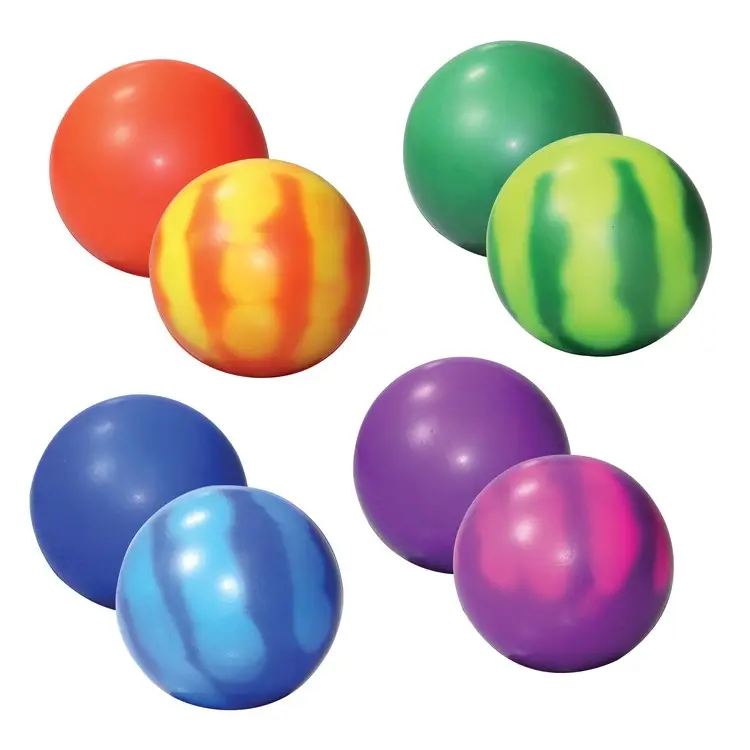
When businesses invest in promotional merchandise or wellness products, the longevity of those items reflects directly on their brand quality. Stress balls are among the most popular and widely distributed promotional and therapeutic tools in the market, but not all of them are built to last. A stress ball that crumbles, tears, or loses its shape after a few uses quickly becomes more of an embarrassment than a brand asset. Understanding what design factors affect durability is the first step toward making a smarter purchasing decision.
The durability of stress balls is not accidental. It is the direct result of deliberate design choices made before a single unit is manufactured. From the type of foam or elastomer used in the core to the thickness and elasticity of the outer skin, every structural decision contributes to how well the product performs over repeated use. This article breaks down the key design factors that determine whether a stress balls product will endure daily squeezing and compression—or fall apart prematurely.
Material Composition and Its Role in Longevity
Polyurethane Foam Density and Cell Structure
The most widely used material in stress balls is polyurethane (PU) foam, and the density of that foam plays a defining role in durability. Higher-density PU foams contain more material per unit volume, which means they can absorb and rebound from compression forces more reliably over time. Low-density foam, while softer and more economical, tends to break down at the cellular level much faster when subjected to repeated mechanical stress.
The open-cell versus closed-cell structure of PU foam also matters significantly. Open-cell foams allow air to flow through the material during compression, which creates that satisfying squeezable feel. However, if the cell walls are too thin or inconsistently formed during manufacturing, they rupture under frequent use, leading to permanent deformation. Well-designed stress balls use PU formulations that balance softness with structural resilience, ensuring the cell walls remain intact through thousands of compression cycles.
The chemical composition of the polyurethane itself—specifically the ratio of polyol to isocyanate and the type of blowing agents used—determines how the material ages. Premium formulations are engineered to resist yellowing, surface tackiness, and internal crumbling, all of which are common failure modes in lower-quality stress balls that use cost-cutting material shortcuts.
Alternative Fill Materials and Their Tradeoffs
Not all stress balls use solid PU foam. Some designs incorporate gel fills, sand, flour, or thermoplastic rubber compounds. Each material has a different durability profile. Gel-filled versions provide a distinct tactile experience but can suffer from leakage if the outer membrane is punctured or develops micro-tears over time. The durability of these designs is therefore highly dependent on the outer shell rather than the fill itself.
Sand and flour-filled stress balls are often encased in fabric or latex membranes. While the fill material is inherently stable, the membrane is the vulnerability. Repeated stretching and compressing creates fatigue stress at the seams and pinch points, eventually leading to rupture. Thermoplastic rubber (TPR) constructions offer better cohesion because the entire body is molded as a single material, eliminating the fill-versus-shell failure dynamic entirely.
Outer Skin Design and Surface Integrity
Skin Thickness and Uniform Coverage
For PU-based stress balls, the outer skin is formed during the molding process when the surface layer of the foam cures at a different rate than the interior. The thickness and uniformity of this skin layer are critical to durability. A skin that is too thin will crack or peel with repeated use, exposing the inner foam to environmental factors like moisture and oils from the skin, which accelerate degradation.
Uniform skin coverage ensures that no area of the stress balls surface is a weak point. In poorly controlled manufacturing processes, the skin can be thicker at some points and paper-thin at others, creating zones where tearing is almost inevitable. Quality-oriented manufacturers control mold temperature, pour ratios, and curing time carefully to achieve consistent skin distribution across the entire surface of the product.
Surface coatings and paint layers add another dimension to this consideration. When stress balls are printed with logos or decorated with vibrant colors, the paint or ink system must be flexible enough to move with the foam without cracking. Rigid inks applied to a highly elastic substrate will flake and peel quickly, compromising both the aesthetic and the structural integrity of the surface layer.
Texture and Surface Treatment Effects
Textured surfaces on stress balls, such as embossed patterns or stippled finishes, can either enhance or reduce durability depending on how they are implemented. Deep texture patterns that create thin ridges or sharp angles in the foam surface introduce stress concentration points. When the ball is compressed, those thin ridges experience higher localized strain than the flat surrounding areas, making them prone to cracking first.
Shallow, rounded textures, on the other hand, are generally durable because they distribute surface stress more evenly. The choice of texture is not purely aesthetic—it is a functional design decision that affects how long the stress balls will look and perform when handled repeatedly. From a B2B procurement standpoint, requesting product samples and testing them under realistic use conditions is the most reliable way to evaluate texture durability before placing a bulk order.
Molding Process and Manufacturing Precision
Mold Design and Parting Line Quality
The manufacturing process has an enormous influence on the durability of stress balls. Most PU stress balls are produced using open-pour or closed-pour molding techniques, and the quality of the mold itself determines how well the product comes out. A precisely machined mold with well-aligned halves produces a ball with minimal parting lines—the seams where the two mold halves meet.
Prominent or rough parting lines are not just cosmetic flaws. They represent material junctions where the foam density and surface skin may be inconsistent. These lines are often the first place where stress balls begin to split or tear during use. High-quality production molds are precision-engineered to minimize parting line prominence and ensure that the foam fills the mold cavity evenly without voids or density variations.
Mold maintenance is equally important. Worn or poorly maintained molds introduce variability into every production run, meaning that even a well-formulated material can yield inconsistent results. For businesses sourcing stress balls in bulk, understanding whether a supplier maintains and updates their tooling regularly is a meaningful indicator of long-term product quality consistency.
Curing Conditions and Post-Production Handling
After molding, PU foam requires a controlled curing period before it reaches its optimal physical properties. Rushing this stage by removing products from molds too early or stacking them before full cure can result in permanent deformation, surface defects, and weakened internal structure. These defects may not be visible immediately but will manifest as accelerated wear during use.
Post-production handling also affects final durability. Stress balls that are compressed tightly during packaging and shipping—especially before full cure—can develop flat spots or internal stress fractures that reduce their functional lifespan. Reputable manufacturers allow adequate curing time and package products in configurations that protect their spherical shape through transit.
Shape Geometry and Structural Mechanics
Spherical Symmetry and Load Distribution
The classic round shape of most stress balls is not arbitrary—it is mechanically advantageous. A sphere distributes compressive forces more evenly than any other shape because the load is spread across the curved surface in all directions simultaneously. This even load distribution means no single area of the material experiences disproportionate stress during squeezing, which directly contributes to longer product life.
Non-spherical stress balls—such as animal shapes, novelty forms, or irregular geometries—introduce localized stress concentrations at protrusions, thin sections, and sharp angles. While these shapes may offer greater visual appeal for promotional purposes, they typically have shorter functional lifespans because their geometry creates predictable failure points. Designers must account for this by using thicker material sections in high-stress areas or by selecting a more resilient material formulation for complex shapes.
Size Considerations and Their Impact on Wear
The diameter of stress balls affects how much compressive force is exerted on any given area of material during a squeeze. Smaller balls concentrate the same grip force over a smaller surface area, creating higher stress per unit area within the foam. This means that smaller stress balls generally require higher-density or more resilient materials to achieve the same durability as their larger counterparts.
Standard-sized stress balls in the 6–7 cm diameter range represent a well-tested balance between ergonomic comfort and material efficiency. This size allows the hand to fully engage the product during compression while distributing load effectively. Procurement teams selecting stress balls for high-frequency use environments—such as office wellness programs or physical therapy applications—should prioritize this size range for maximum longevity under heavy use conditions.
FAQ
What is the most durable material for stress balls?
High-density polyurethane (PU) foam is generally considered the most durable material for stress balls used in promotional and wellness applications. It offers a strong balance between compressibility, rebound, and resistance to surface degradation. The specific formulation matters greatly—premium PU compounds with optimized polyol-to-isocyanate ratios and consistent cell structure will outperform cheaper alternatives significantly over time.
How does printing or branding affect the durability of stress balls?
Branding applied using flexible ink systems or pad printing techniques tends to preserve durability better than rigid screen printing. When inks are not formulated to flex with the underlying foam, they crack and peel during compression, which can also compromise the surface skin of the stress balls. Requesting flexible-ink printing specifications from your supplier is a practical step toward maintaining both visual quality and structural integrity.
Can stress balls be tested for durability before bulk ordering?
Yes. Pre-production samples should always be requested and subjected to real-use testing before committing to a bulk order of stress balls. A simple protocol involving a defined number of full compressions—typically 500 to 1,000 repetitions—followed by visual and dimensional inspection will reveal surface cracking, deformation, and skin failure tendencies. This testing is especially important for orders intended for high-use environments.
Do novelty-shaped stress balls last as long as round ones?
In most cases, novelty-shaped stress balls have shorter operational lifespans than standard round designs because their irregular geometry creates stress concentration points at protrusions and thin cross-sections. However, the gap in durability can be reduced through thoughtful design choices, such as reinforcing thin sections, using higher-density materials, and avoiding excessively sharp angles. For applications where longevity is the priority, round stress balls remain the most mechanically reliable choice.