
 EN
EN



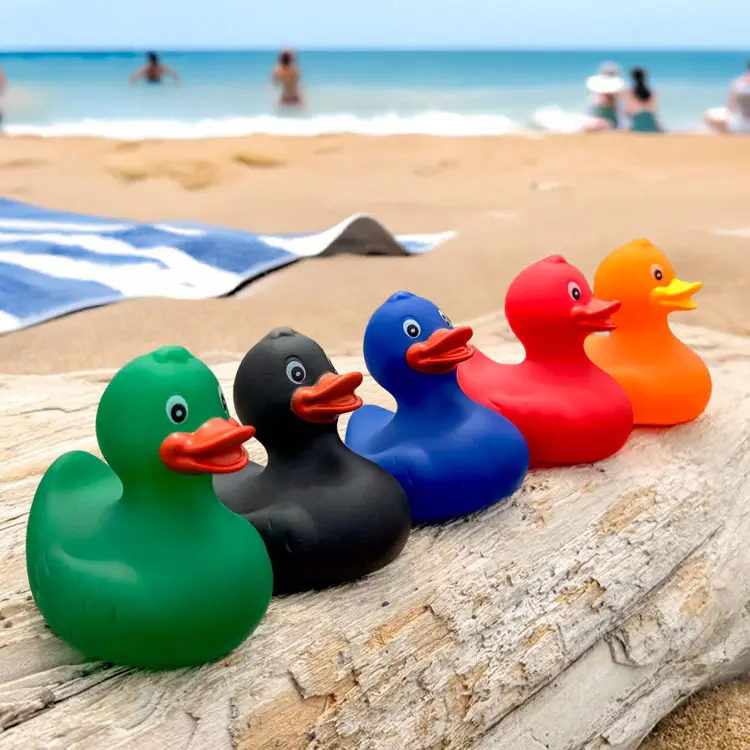
When it comes to promotional merchandise that genuinely captures attention, few items match the charm and versatility of rubber ducks. These classic novelty products have evolved far beyond their origins as simple bath toys. Today, businesses across a wide range of industries are leveraging customized rubber ducks as powerful branding tools that generate smiles, spark conversations, and keep a company's name top of mind. Whether distributed at trade shows, corporate events, or as part of a client gifting strategy, custom rubber ducks offer an unexpectedly effective way to make a lasting brand impression.
The process of customizing rubber ducks for branding is more detailed and strategic than most people initially assume. From material selection and shape design to color matching and logo application, every element can be tailored to align with a brand's identity. Understanding how each customization layer works helps businesses make smarter decisions about their promotional investments and ensures the final product truly reflects who they are. This guide explores the full spectrum of customization options available and explains how to use rubber ducks most effectively as branded merchandise.
Understanding the Branding Potential of Rubber Ducks
Why Rubber Ducks Work as Promotional Items
The psychological appeal of rubber ducks is well-documented in consumer behavior research. Their playful form triggers positive emotional responses in adults and children alike, creating an immediate association between the item and good feelings. When a brand is attached to that emotional trigger, it benefits from the same warmth and positivity. This is why rubber ducks are particularly effective as promotional items compared to more utilitarian giveaways like pens or notepads.
Custom rubber ducks also have a very high retention rate. Unlike flyers or brochures that end up discarded, a well-designed novelty duck tends to sit on desks, shelves, and bathtub ledges for months or even years. Every time someone notices it, the brand gets a moment of free recall. For companies focused on building long-term brand awareness, this kind of passive visibility is genuinely valuable.
Another key advantage is their shareability. Unique or creatively designed rubber ducks frequently get photographed and posted on social media, extending a brand's reach far beyond the original recipient. In a digital landscape where organic reach is increasingly difficult to achieve, a physical item that naturally encourages sharing is a strategic asset worth considering.
Industries That Benefit Most from Custom Rubber Ducks
While virtually any business can incorporate rubber ducks into a branding strategy, certain industries find them especially effective. Healthcare companies have long used them as friendly, approachable giveaways that soften the clinical tone often associated with medical brands. Financial institutions have used them during customer appreciation events to humanize their image. Technology firms give them away at developer conferences as a nod to the famous rubber duck debugging technique, creating an immediate cultural connection with their target audience.
Hospitality businesses such as hotels and resorts often place custom rubber ducks in guest bathrooms as a memorable touch that enhances the overall brand experience. Retail brands and consumer goods companies use them as collectibles or loyalty rewards, encouraging repeat engagement. Even nonprofits and event organizers find rubber ducks useful for charity duck races and fundraising events where sponsorship branding is prominently displayed.
Key Customization Options for Branded Rubber Ducks
Shape and Form Customization
One of the most powerful ways to customize rubber ducks for branding is through shape modification. While the classic duck silhouette is universally recognizable and remains a popular choice, manufacturers can produce entirely unique shapes that reflect a brand's specific identity. A coffee chain might commission rubber ducks shaped like coffee cups. A sports brand might opt for ducks wearing miniature jerseys or holding tiny equipment related to their sport of focus.
Full custom molding allows for three-dimensional brand characters, mascot replicas, or product-shaped figures made from the same soft vinyl material used in traditional rubber ducks. This level of customization requires higher minimum order quantities and longer production lead times, but the resulting product is truly one-of-a-kind and nearly impossible for recipients to forget. For flagship campaigns or major events, a fully custom-molded rubber duck can become an iconic branded object in its own right.
Even without full custom molding, variations in the standard duck shape — such as adding hats, accessories, or costume elements — can be used to differentiate the product while keeping costs manageable. A duck wearing a graduation cap works perfectly for education brands. A duck in a chef's hat suits food industry companies. These modifications are cost-effective and still produce a distinctive result.
Color and Finish Options
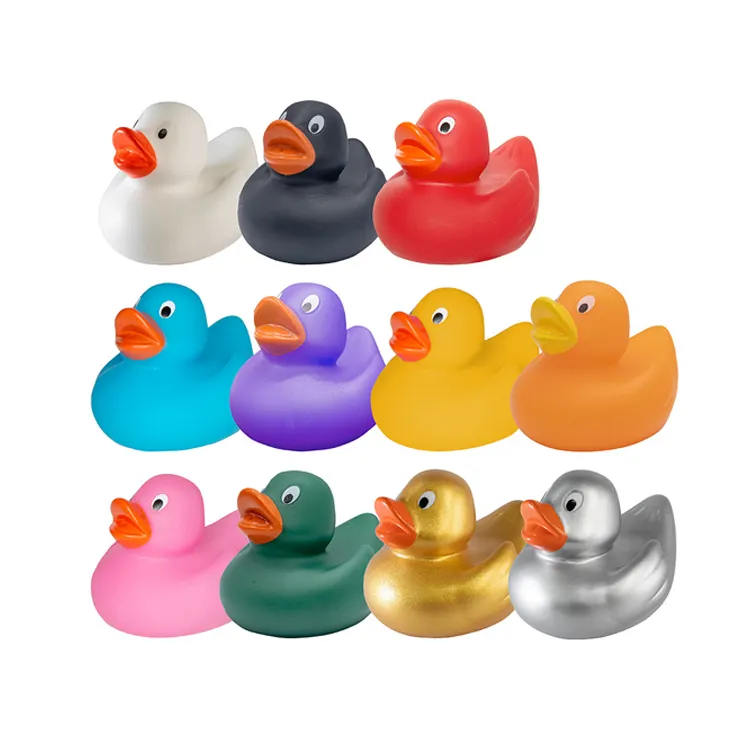
Color is one of the most immediate and impactful branding signals available. Custom rubber ducks can be produced in virtually any solid color to match a brand's official color palette, ensuring visual consistency across all promotional materials. This matters significantly for brands with strong color identities, as off-brand hues can undermine the professional appearance of the merchandise.
Beyond solid colors, manufacturers offer multi-color designs, gradient finishes, and even special effects such as glow-in-the-dark, translucent, or glitter-infused rubber ducks. These premium finishes elevate the perceived value of the item and can make it feel more like a collectible than a standard giveaway. For luxury brands or premium-tier campaigns, finish choices signal quality and attention to detail.
Metallic or pearlescent finishes are increasingly popular among brands targeting corporate audiences, as they convey sophistication while still retaining the duck's inherent playfulness. Matte finishes offer a modern aesthetic that appeals to tech-forward and design-conscious brands. Choosing the right finish is therefore not merely an aesthetic decision but a direct expression of brand personality.
Logo and Text Application Methods
Applying a logo, slogan, or contact information to rubber ducks can be accomplished through several methods, each with its own strengths. Screen printing is the most common technique and allows for clean, vivid reproduction of logos and text on the duck's body. It works well for bold designs with limited color variation and is cost-effective at medium to high quantities.
Pad printing offers greater precision on curved or irregular surfaces, making it ideal for detailed logos that need to conform to the duck's rounded shape. Full-wrap printing, while less common, enables elaborate artwork to cover a larger surface area of the duck, which is particularly effective for storytelling-oriented brand campaigns or commemorative editions. Embossed or debossed details can also be incorporated during the molding phase for a tactile, premium feel.
For digital-first brands, QR codes can be printed directly onto rubber ducks, linking recipients to a website, landing page, or promotional offer. This bridges the physical and digital experience in a way that measurably extends the campaign's reach and allows for tracking of engagement metrics.
Packaging and Presentation as Brand Extensions
Custom Packaging Options
The way rubber ducks are presented can be just as impactful as the duck itself. Custom packaging transforms a simple promotional item into a premium gifting experience. Branded boxes, tissue paper, and custom inserts all contribute to a cohesive unboxing moment that reinforces brand values and increases the perceived value of the item.
For corporate gifting purposes, individually boxed rubber ducks with personalized messages or certificates of authenticity add a layer of exclusivity that makes recipients feel genuinely valued. This approach is particularly effective for client retention campaigns or VIP appreciation programs where the quality of the experience matters as much as the item itself.
Bulk packaging options, such as branded polybags or display-ready containers, suit trade show distribution where speed and volume are priorities. Even in these scenarios, including brand colors and messaging on the packaging extends the branding opportunity and ensures the duck reaches its final destination in a context that reinforces brand identity from the very first moment of contact.
Themed Sets and Campaign-Specific Collections
Rubber ducks can be issued as part of themed collections or limited-edition series tied to specific campaigns, seasons, or milestones. A company celebrating its anniversary might release a commemorative duck series with unique numbering or design variations. A brand launching a new product line might create rubber ducks that visually reference the launch theme, building continuity across all campaign touchpoints.
Collectible series are particularly effective for loyalty and engagement programs. When recipients know there are multiple designs to collect, they are more likely to seek out additional pieces, creating ongoing brand interaction over time. This strategy transforms the rubber duck from a one-time giveaway into an ongoing engagement mechanism that keeps the brand relevant across multiple touchpoints.
Practical Considerations for Ordering Custom Rubber Ducks
Minimum Order Quantities and Lead Times
For businesses new to ordering custom rubber ducks, understanding production logistics is essential to avoiding disappointment. Most manufacturers require minimum order quantities that vary depending on the complexity of the customization. Standard color and logo customization typically allows for lower minimums, while fully custom-molded shapes require larger orders to offset tooling costs.
Lead times should be factored into campaign planning well in advance. Standard customized rubber ducks generally require four to eight weeks from design approval to delivery, while custom molds can extend this timeline to twelve weeks or more. Businesses planning to use rubber ducks for a specific event should initiate the ordering process at least three months ahead to accommodate any design revisions, production delays, or shipping considerations.
Working with a reliable supplier who can provide design proofs, material samples, and transparent production updates is critical to ensuring the final product meets expectations. For businesses exploring options, rubber ducks specialists with experience in promotional merchandise can offer valuable guidance on design feasibility, cost optimization, and production timelines.
Material Safety and Compliance Standards
When rubber ducks are intended for campaigns that may involve children, healthcare settings, or food industry contexts, material safety compliance becomes a critical purchasing criterion. Reputable manufacturers produce rubber ducks from non-toxic, phthalate-free PVC or alternative materials such as natural rubber or TPR. Ensuring compliance with relevant safety standards protects the brand legally and ethically.
Certifications such as EN71 in Europe or ASTM F963 in the United States provide documented assurance that the product meets established safety benchmarks. Requesting these certifications from the manufacturer before finalizing an order is standard practice for responsible procurement teams. Brands distributing rubber ducks in regulated environments should always verify that the product documentation is complete and current.
Beyond safety standards, environmental considerations are increasingly important to brand-conscious businesses. Eco-friendly rubber ducks made from recycled or sustainable materials are available from select manufacturers and can reinforce a brand's sustainability commitments. For companies with active ESG initiatives, choosing certified sustainable materials aligns the promotional item with broader corporate values.
FAQ
What is the typical minimum order quantity for custom rubber ducks?
Minimum order quantities for custom rubber ducks vary by customization type. Standard logo printing on existing duck shapes often starts at 100 to 500 units, while fully custom-molded shapes typically require orders of 1,000 units or more due to tooling investment. It is always advisable to discuss your specific needs with the supplier to find the most cost-effective approach for your campaign scale.
How long does it take to produce custom rubber ducks for a promotional campaign?
Production timelines depend on the complexity of the customization. Standard printed rubber ducks usually take four to eight weeks from design approval to delivery. Custom-molded shapes with unique forms may require ten to fourteen weeks. Planning your order well in advance of your campaign date is strongly recommended to avoid last-minute complications.
Can rubber ducks be customized to match exact brand colors?
Yes, rubber ducks can be produced to match specific brand colors when Pantone or similar color reference systems are provided to the manufacturer. Most reputable producers offer color-matching services to ensure the final product aligns with official brand guidelines. Requesting a physical color sample before full production begins helps confirm accuracy before committing to the complete order.
Are custom rubber ducks suitable for environmentally conscious brands?
Eco-friendly rubber ducks made from natural rubber, recycled PVC, or other sustainable materials are available and represent an excellent option for brands with active sustainability commitments. These products can often be certified under recognized environmental standards. Choosing sustainable materials for promotional rubber ducks demonstrates consistency between a company's stated values and its actual purchasing decisions, which resonates strongly with today's environmentally aware audiences.