
 EN
EN



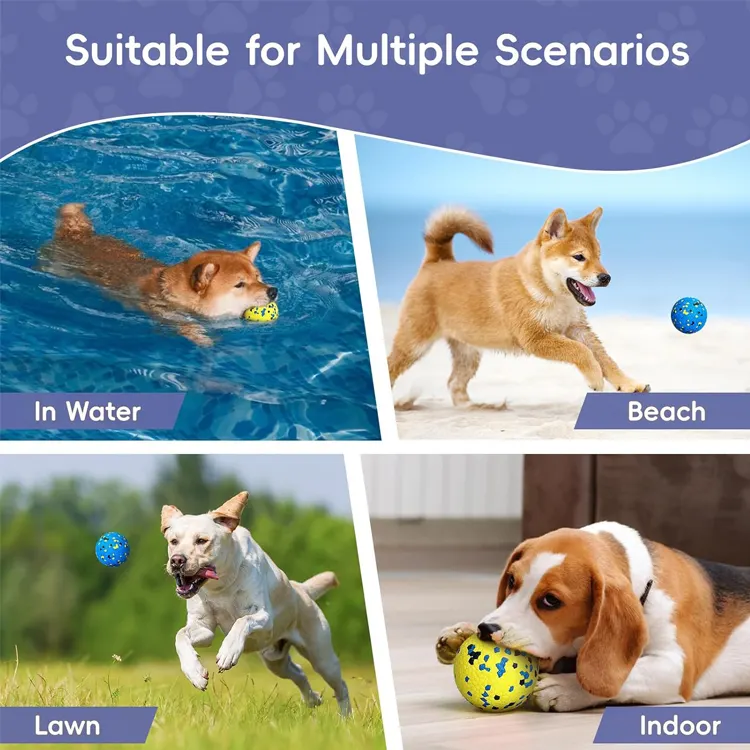
When it comes to raising a happy, well-behaved, and mentally stimulated pet, few tools are as versatile and impactful as pet toys. Whether you have a curious puppy, a spirited kitten, or a mature companion animal, the right toys do far more than simply entertain. They serve as instruments for learning, bonding, and behavioral development. Understanding how pet toys can support interactive play and structured training helps pet owners and businesses alike make smarter, more purposeful choices.
The connection between pet toys and training is not accidental — it is rooted in animal behavioral science. Dogs and cats, for example, are naturally wired to chase, pounce, retrieve, and problem-solve. Thoughtfully designed pet toys channel these instincts productively, creating moments where play and learning overlap. For pet product brands, retailers, and promotional merchandise buyers, this intersection opens up a valuable opportunity to offer items that are both functional and emotionally meaningful to the end user.
The Behavioral Science Behind Pet Toys and Play
How Play Mirrors Natural Animal Behavior
Animals in the wild develop survival skills through repetitive physical activity — hunting, stalking, chasing, and wrestling. Domesticated pets retain these instincts, and without appropriate outlets, those drives can turn into destructive or anxious behaviors. Pet toys provide a safe and structured environment for animals to express these instincts without negative consequences.
When a dog chases and retrieves a toy repeatedly, it is not just having fun — it is reinforcing coordination, focus, and obedience to cues. When a cat pounces on a wand toy, it is practicing predatory sequencing that keeps its mind sharp. Recognizing this behavioral backdrop helps owners choose pet toys that genuinely serve their pet's developmental needs rather than just filling a toy bin.
Play also regulates stress hormones in animals. Studies in animal cognition show that enrichment through pet toys reduces cortisol levels and promotes more balanced emotional states. This is particularly relevant for pets that spend long hours alone, highlighting why purposeful toy selection is such an important aspect of responsible pet ownership.
The Role of Sensory Engagement in Toy Design
Effective pet toys engage multiple senses simultaneously — sight, sound, smell, and touch. A squeaky toy, for instance, activates a dog's auditory response while also satisfying its oral and tactile needs. Textured surfaces on chew toys stimulate nerve endings in the gums and paws, creating a multi-sensory experience that sustains engagement longer.
This sensory richness is particularly relevant in training contexts. When a pet toy produces a rewarding sensory response — a squeak, a crinkle, or a bounce — it becomes a powerful positive reinforcer. Trainers frequently use high-value pet toys as reward tools because the sensory payoff can be just as motivating as food treats for certain animals.
For product developers and promotional merchandise buyers, understanding sensory design principles means selecting or creating pet toys that deliver genuine value. A well-constructed squeeze toy that produces a satisfying sound and has a pleasant hand feel will naturally generate more repeat engagement from both pets and their owners.
Interactive Pet Toys as Training Instruments
Using Toys to Reinforce Obedience Commands
One of the most practical applications of pet toys in training is using them as reward markers during command-based sessions. Instead of always relying on food, trainers often introduce a favorite toy as a high-value reward for completing a task correctly. This approach is widely used in professional dog sports such as agility, obedience, and scent detection, where pet toys like tug ropes or squeaky balls are standard training aids.
The key mechanism here is positive reinforcement. When a pet successfully sits, stays, or retrieves on command and is immediately rewarded with play using a pet toy, the brain forms a strong association between the desired behavior and the pleasurable outcome. Over repeated sessions, this association becomes deeply conditioned and generalized across environments.
For pet owners at home, this means that even simple pet toys — a lightweight ball, a plush squeaker, or a rubber tug — can be strategically used to build good habits. The toy becomes both a motivational tool and a signal that training is happening, helping pets enter a focused, receptive mental state.
Interactive Puzzle Toys and Cognitive Training
Beyond command training, pet toys designed around puzzle or problem-solving formats actively develop a pet's cognitive abilities. These toys typically require the animal to manipulate levers, slide panels, or squeeze sections to release a treat or trigger a sound reward. The result is a training session disguised as play.
Cognitive enrichment through pet toys has been shown to delay age-related mental decline in older animals and improve impulse control in younger, high-energy breeds. When a dog must work methodically to extract a reward from a puzzle toy, it practices patience, persistence, and problem-solving — all skills that transfer directly to obedience training contexts.
From a product design standpoint, pet toys that combine sensory appeal with interactive challenge offer the highest perceived value to discerning pet owners. Products that function as both entertainment tools and training aids occupy a premium category in the pet product market, making them excellent candidates for branded merchandise or promotional giveaway programs.
The Bonding Value of Shared Play Between Pets and Owners
How Interactive Play Builds Trust and Communication
Interactive pet toys are not just about what the pet does with them independently — they are equally powerful when used as a bridge between the pet and its owner. Tug games, fetch routines, and wand-based play sessions create moments of shared focus and physical coordination that deepen the human-animal bond over time.
This bonding effect has practical training implications as well. A pet that has a strong, positive associative bond with its owner through shared toy play is more likely to be attentive, responsive, and eager to engage during formal training sessions. The play history essentially builds a bank of goodwill and trust that the owner can draw on during more demanding behavioral work.
For brands designing or sourcing pet toys for promotional use, this bonding dynamic represents a meaningful brand story. A well-made toy that facilitates genuine play between owner and pet reflects positively on the brand that provided it, creating an emotional memory tied to a positive experience rather than a fleeting marketing impression.
Structured Play Routines That Support Behavioral Balance
Consistency is one of the most important factors in effective pet training, and pet toys help establish the routines that make consistency possible. When play sessions happen at predictable times with familiar toys, pets develop a sense of schedule and security. This reduces anxiety-driven behaviors such as excessive barking, destructive chewing, or hyperactivity during the day.
Structured play using dedicated pet toys also gives owners a clear framework for integrating training moments into everyday life. Rather than treating training as a separate, formal exercise, play-based approaches embed learning naturally into a pet's daily routine. The result is an animal that learns continuously and cumulatively without experiencing the stress of high-pressure training drills.
Pet care professionals and behaviorists increasingly recommend that owners dedicate specific pet toys exclusively to training rewards — keeping those items out of the general toy rotation to preserve their motivational value. This simple strategy amplifies the effectiveness of toy-based training significantly.
Choosing the Right Pet Toys for Play and Training Goals
Matching Toy Type to Training Objective
Not all pet toys are equally suited to every training goal. Tug toys build drive and reinforce prey instinct, making them ideal for high-energy training rewards in working dogs. Fetch toys develop recall skills and promote cardiovascular exercise alongside obedience practice. Squeaky or crinkle toys are particularly effective as attention-getting devices during foundational command training sessions.
For cats, wand and feather toys support the hunt-catch-kill play sequence, which is essential for psychological satisfaction and healthy weight management. pet toys that incorporate unpredictable movement patterns — mimicking the erratic motion of prey — keep feline interest at its highest and support the kind of focused, sustained engagement that mirrors natural hunting behavior.
When sourcing pet toys for bulk purchase, retail, or promotional purposes, it is important to consider the dominant pet demographics of the intended audience. A product line that clearly communicates its training and play functionality will resonate more deeply with informed, engaged pet owners than generic novelty items without a clear behavioral purpose.
Material Quality and Safety in Pet Toy Selection
Training effectiveness is directly tied to toy durability and safety. A pet toy that breaks apart during an energetic play session not only becomes a safety hazard — it also disrupts the training flow and can create negative associations if the experience ends abruptly or uncomfortably. High-quality materials are therefore not just a premium feature; they are a functional requirement for serious training applications.
Non-toxic, pet-safe materials are the baseline expectation for any reputable pet toy product. Beyond baseline safety, texture, compression resistance, and resilience under repeated stress all influence how long a toy remains motivationally effective. A toy that quickly loses its squeak, unravels, or deforms within a few sessions loses its training value rapidly.
For businesses sourcing pet toys at scale — whether for retail distribution, branded giveaways, or promotional campaigns — working with reliable manufacturers who provide material safety certifications ensures that the product delivers consistent performance over time. This consistency is essential not just for pet welfare but for brand credibility.
FAQ
Can pet toys really make a difference in formal training outcomes?
Yes, significantly. Pet toys that are used as high-value rewards during training sessions create strong positive reinforcement loops. When animals associate completing a command with immediate access to a favorite toy, the learning signal is clear and motivating. Many professional trainers prefer toy rewards over food in high-drive animals because they also channel physical energy productively during the reward moment.
How often should interactive pet toys be rotated to maintain training value?
To maintain novelty and motivational value, it is generally recommended to rotate pet toys every few days. Keeping a select set of toys specifically reserved for training sessions — rather than leaving them in constant free access — also helps preserve their reward significance. Pets naturally show reduced interest in objects they encounter continuously, so strategic rotation sustains enthusiasm.
Are soft squeeze toys suitable for both play and training purposes?
Soft squeeze pet toys are highly versatile across both contexts. They provide satisfying tactile and auditory feedback that many animals find intrinsically rewarding, making them effective both as independent enrichment tools and as training rewards. Their compact size and portability also make them convenient for use during outdoor training sessions or on-the-go play interactions.
What should businesses consider when sourcing pet toys for promotional use?
When sourcing pet toys for promotional or branded merchandise purposes, businesses should prioritize safety certifications, material durability, and functional design that resonates with pet owners. A pet toy that genuinely supports play and training will generate ongoing brand visibility every time it is used. Choosing products with clear functional value positions the brand positively in the minds of engaged, loyal pet owner demographics.