
 EN
EN



When it comes to managing everyday tension, the materials used in stress relief products matter far more than most people realize. Memory foam stress relief products have emerged as a leading solution for individuals seeking tactile comfort, physical relaxation, and emotional calm throughout their workday or leisure time. Unlike traditional foam or rubber-based alternatives, memory foam responds dynamically to pressure, heat, and the unique contours of a person's hand — creating an experience that feels genuinely personalized and soothing rather than generic.
The science behind memory foam stress relief is rooted in viscoelastic polymer technology, a material originally developed for high-pressure applications in aerospace. Today, that same responsive, pressure-absorbing quality is being applied to compact products like stress balls, cubes, and grip toys that people squeeze, knead, and manipulate to release tension. Understanding how memory foam enhances comfort in these applications helps both consumers and B2B buyers make smarter purchasing decisions — selecting products that deliver measurable sensory value rather than short-lived novelty.
The Science of Memory Foam in Stress Relief Applications
How Viscoelastic Properties Create a Superior Sensory Experience
Memory foam is classified as a viscoelastic material, meaning it exhibits both viscous and elastic characteristics under stress. When pressure is applied — for example, when a user squeezes a memory foam stress relief product — the material deforms slowly and conforms precisely to the shape of the hand. This deformation is not instantaneous; instead, it occurs over a controlled period, creating a sensation of resistance that many users find deeply satisfying and grounding.
The elastic component ensures that once pressure is released, the foam gradually returns to its original shape rather than springing back immediately. This slow rebound is a defining characteristic that separates memory foam from standard open-cell or latex foams. For stress relief applications, this slow, deliberate return mimics a kind of tactile conversation between the product and the user — reinforcing the sense that the object is responsive and accommodating.
From a neurological standpoint, the consistent, predictable tactile feedback provided by memory foam stress relief items stimulates mechanoreceptors in the hand, triggering sensory pathways associated with calm and focus. Occupational therapists and workplace wellness experts increasingly recognize this phenomenon, recommending squeeze-based tactile tools as part of broader stress management protocols.
Temperature Sensitivity and Its Role in Comfort
One of the most distinctive aspects of memory foam is its thermosensitivity — the material softens slightly as it absorbs body heat. In the context of memory foam stress relief products, this means the foam adapts not just to the physical shape of the hand, but also to its warmth. Over the course of a few seconds of handling, the product becomes noticeably more pliable and form-fitting, deepening the sense of comfort and responsiveness.
This heat-activated softening is particularly beneficial for users who suffer from mild hand stiffness, repetitive strain, or arthritis-related discomfort. Because the material yields more gently under sustained warmth, it reduces the effort required to engage with the product and makes extended use more comfortable. This is a key advantage in workplace settings where employees may use memory foam stress relief tools repeatedly throughout the day.
The temperature sensitivity also contributes to the tactile novelty of the experience. Unlike a foam block that feels identical on first touch and twentieth touch, memory foam products shift subtly with each interaction, maintaining a level of engagement that keeps the user returning to the product rather than setting it aside after a few uses.
Structural Advantages of Memory Foam in Stress Cube and Ball Designs
Density and Firmness: Matching Material to Purpose
The density of memory foam plays a critical role in determining how a memory foam stress relief product feels in the hand. Higher-density foams provide more resistance and a firmer squeeze experience, which appeals to users who need a more intense tactile stimulus to disengage from mental stress. Lower-density formulations offer a softer, more yielding touch that suits users seeking gentle, calming stimulation rather than forceful exertion.
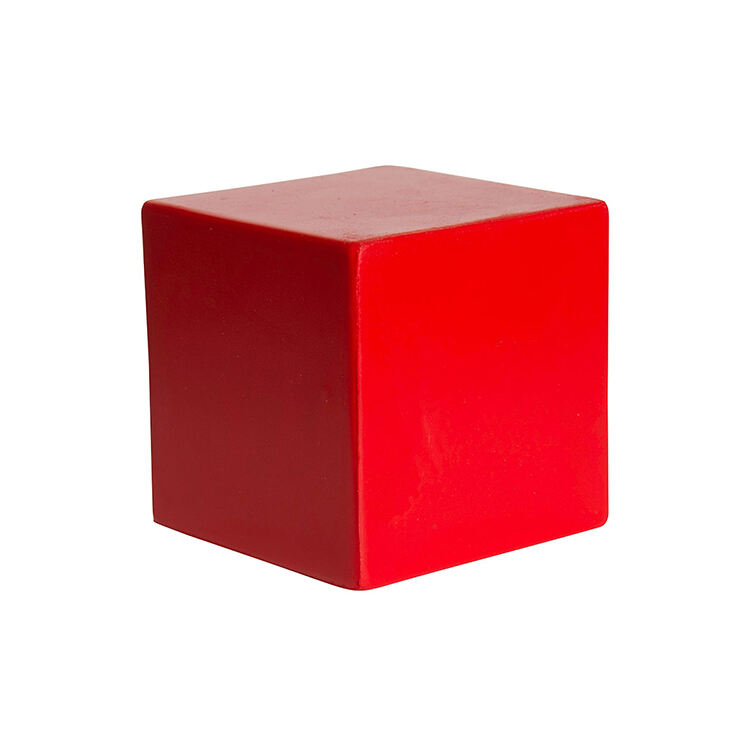
For cube-shaped memory foam stress relief products — a format that has grown significantly in popularity in office and desk environments — the geometry adds another layer of tactile variety. The edges, flat faces, and corners of a cube all compress differently under the same squeezing force, giving users multiple zones of sensory feedback from a single compact product. Memory foam is ideal for this format because it maintains structural integrity across all zones while still conforming responsively to applied pressure.
Manufacturers designing memory foam stress relief cubes must carefully calibrate the foam's indentation load deflection (ILD) rating to ensure it strikes the right balance between challenge and comfort. A product that is too stiff may cause hand fatigue; one that is too soft may not provide enough resistance to feel satisfying. The right formulation delivers a medium-range squeeze that most adult users find both effortless to engage and genuinely tension-releasing.
Durability and Shape Recovery in High-Use Scenarios
Unlike cheaper alternatives made from standard foam or hollow rubber, memory foam retains its shape recovery characteristics across thousands of compression cycles. This durability is a significant commercial advantage for businesses sourcing memory foam stress relief products at scale — whether for employee wellness programs, promotional giveaways, or retail distribution. The product continues to feel as responsive on day ninety as it did on day one.
This longevity also carries an implicit quality signal to the end user. When a memory foam stress relief product holds its form and continues to rebound with the same controlled delay over extended use, it communicates quality and reliability. In contrast, cheaper foam products that begin to collapse, tear, or lose their rebound after light use create negative brand associations for the company distributing them.
For B2B buyers evaluating sourcing options, the long-term cost-per-use of a high-quality memory foam stress relief product is considerably lower than repeatedly replacing inferior alternatives. When durability data is factored alongside user satisfaction metrics, the economic case for memory foam becomes compelling for procurement decision-makers.
Psychological and Physical Benefits That Memory Foam Unlocks
Tactile Stimulation and Anxiety Reduction
Research in sensory processing and behavioral psychology consistently identifies repetitive tactile engagement as an effective short-term mechanism for reducing anxiety and improving focus. Memory foam stress relief products support this mechanism by providing an engaging, low-effort, socially unobtrusive activity that occupies fidgeting impulses without disrupting workflow or social interactions.
The act of squeezing a memory foam stress relief item activates the parasympathetic nervous system response — the body's natural relaxation mode — by redirecting physical tension from the mind's stress circuitry into a controlled muscular action. The gradual return of the foam reinforces a visual and tactile sense of completion and resolution, which many users report as intrinsically satisfying and calming.
For individuals with attention-related challenges, sensory processing needs, or high-pressure work environments, having a memory foam stress relief product on hand serves as a portable, accessible coping tool. Workplace wellness programs that incorporate these products often report anecdotal improvements in employee focus, reduced workplace tension, and increased satisfaction with the physical work environment.
Hand Strength, Coordination, and Physical Wellness Benefits
Beyond psychological stress relief, regular use of memory foam stress relief products offers mild but meaningful physical benefits. The resistance provided by memory foam during compression engages the intrinsic muscles of the hand and forearm, which are often underutilized in desk-based professionals who spend hours on keyboards and pointing devices. This gentle, repetitive engagement can contribute to improved grip strength and reduced risk of repetitive strain over time.
Rehabilitation specialists and physical therapists have taken note of this dual-purpose value. A memory foam stress relief product positioned as a wellness tool rather than a novelty item carries greater authority in professional and clinical settings, expanding its market relevance beyond traditional office and consumer retail contexts.
The non-intimidating form factor of cube and ball-shaped memory foam stress relief products is also clinically significant. Because they require no instruction, no configuration, and no commitment of significant time, they lower the barrier to regular use. This accessibility is critical for therapeutic benefit — consistent engagement, even in short bursts throughout the day, produces more meaningful outcomes than occasional use of a more complex tool.
Selecting and Sourcing the Right Memory Foam Stress Relief Product
Key Criteria for B2B Buyers and Wellness Program Coordinators
Organizations sourcing memory foam stress relief products at volume need to evaluate several material and manufacturing criteria before committing to a supplier. Foam quality certifications, such as CertiPUR-US compliance or equivalent regional standards, confirm that the foam formulation is free from harmful chemicals and safe for prolonged skin contact. This is particularly important for products used in healthcare, educational, or food-adjacent environments.
Outer covering materials are equally important. Most memory foam stress relief products feature a fabric, silicone, or synthetic outer layer that determines how the product feels to the touch and how well it withstands handling. A breathable, washable outer material significantly extends product life and hygiene in shared-use environments. Buyers should request material safety data and care specifications before approving a design for wide distribution.
Customization flexibility — including shape, color, print, and branding options — is a practical consideration for companies using memory foam stress relief items as branded promotional merchandise. A well-designed, branded product that stays on a user's desk for months generates repeated visual brand impressions, making it a high-return marketing investment compared to disposable promotional items.
Form Factor Considerations: Cubes, Balls, and Beyond
The cube format has become one of the most commercially successful shapes in the memory foam stress relief category because its multi-surface geometry maximizes tactile variety within a compact footprint. A cube can be rolled between the palms, pressed against a flat surface, squeezed along any of its faces, or manipulated across its edges — each interaction producing a slightly different sensory output from the same piece of foam.
Ball-shaped memory foam stress relief products, by contrast, offer a more symmetrical, rolling experience that many users find easier to grip and manipulate with one hand while working. The choice between cube and ball often comes down to user preference and intended use case — cubes tend to sit naturally on desks and are used more deliberately, while balls are more casually portable and suit users who prefer unconscious fidgeting during calls or reading.
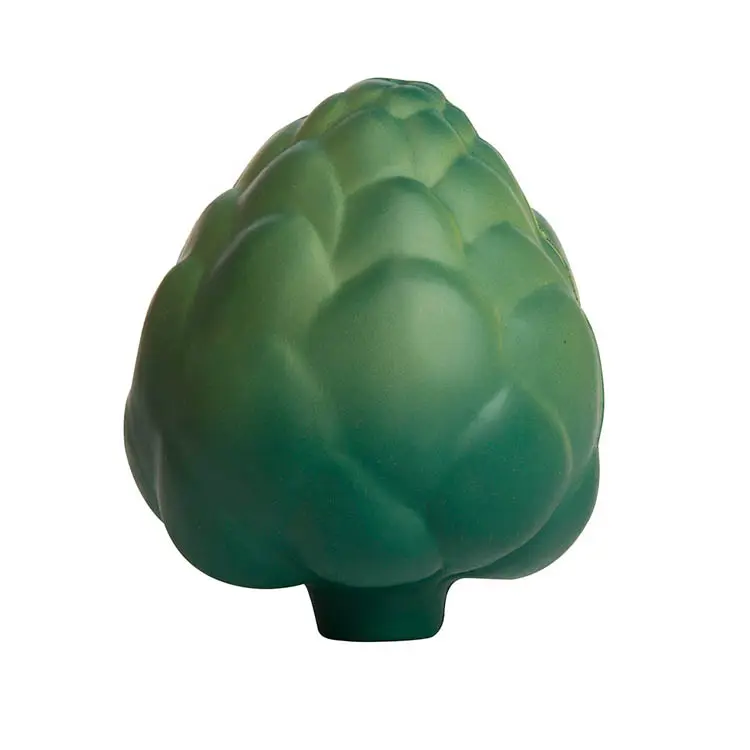
Emerging formats, including irregular geometric shapes and novelty designs, bring additional visual engagement to the memory foam stress relief category. However, form should never compromise function — irregularly shaped products must still deliver consistent, even foam compression across their surface to qualify as genuinely effective stress relief tools rather than decorative desk objects.
FAQ
What makes memory foam better than standard foam in stress relief products?
Memory foam's viscoelastic properties allow it to conform to the shape of the hand and return slowly to its original form, creating a uniquely satisfying and responsive tactile experience. Standard foam springs back quickly and does not adapt to body heat or pressure in the same way, making memory foam stress relief products significantly more effective at delivering sustained sensory comfort.
How long does a memory foam stress relief product typically last?
High-quality memory foam stress relief products maintain their compression and shape recovery characteristics across thousands of use cycles. With regular daily use, a well-manufactured product should retain its performance characteristics for six months to over a year, depending on the foam density, outer covering durability, and intensity of use.
Are memory foam stress relief products safe for prolonged daily use?
Yes, memory foam stress relief products made from certified, chemical-compliant foam formulations are safe for daily, extended use. Buyers should look for products that comply with recognized foam safety standards to ensure the material is free from harmful VOCs or chemical off-gassing. Outer materials should also be checked for skin-safe certifications, particularly in sensitive environments.
Can memory foam stress relief products be customized for corporate branding?
Absolutely. Memory foam stress relief products are widely available with customization options including branded colors, logo printing, and custom shapes. For B2B buyers, a custom-branded memory foam stress relief item offers long-term brand visibility since users tend to keep high-quality tactile products on their desks for extended periods, generating repeated brand impressions at a low cost per contact.