
 EN
EN



Over the past decade, the wellness and self-care industry has seen a remarkable surge in demand for therapeutic products that help people manage daily tension, anxiety, and mental fatigue. Among the many materials used in these products, memory foam has established itself as the go-to choice for manufacturers, therapists, and end users alike. The memory foam stress reliever has become a staple on office desks, in therapy clinics, and in wellness gift sets around the world, and for very good reason. Understanding why this particular material dominates the therapeutic stress product space requires a closer look at its physical properties, sensory benefits, and the science behind tactile stress relief.
A memory foam stress reliever is not simply a novelty squeeze toy. It is a carefully engineered product that leverages the viscoelastic properties of polyurethane foam to deliver a consistent, satisfying, and therapeutically meaningful tactile experience. From cube-shaped desk accessories to ergonomic palm-fit designs, the memory foam stress reliever appears in dozens of forms — all united by the same core material that makes the experience both effective and uniquely gratifying. This article explores the reasons behind memory foam's dominance in the therapeutic stress relief category, examining the science, user psychology, commercial value, and design versatility that make it the preferred choice across B2B and consumer markets.
The Science Behind Memory Foam and Stress Relief
What Makes Memory Foam Unique Among Soft Materials
Memory foam, originally developed for aerospace applications, is a viscoelastic polymer that responds to both pressure and heat. Unlike standard foam or rubber, it deforms slowly under compression and returns to its original shape at a controlled, deliberate pace. This slow recovery behavior is the defining characteristic that separates a memory foam stress reliever from ordinary squeeze balls or silicone toys.
When a person squeezes a memory foam stress reliever, the material conforms precisely to the contours of the hand, fingers, and palm. This full-contact response creates a sensation of complete grip satisfaction — a tactile completeness that other materials simply cannot replicate. The resistance is neither too soft nor too firm, hitting what ergonomic researchers describe as the optimal haptic feedback zone for manual stress discharge.
The thermal responsiveness of memory foam also plays a subtle but important role. As the foam warms slightly from body heat during use, it becomes marginally more pliable, deepening the sensation of connection between the user's hand and the product. This dynamic response gives the memory foam stress reliever a quality of aliveness that static materials lack, reinforcing continued engagement and repeated use.
The Neurological Connection Between Tactile Input and Stress Reduction
Stress management through physical touch is well-grounded in neuroscience. Repetitive manual activity, particularly squeezing and releasing motions, engages the parasympathetic nervous system, which is responsible for calming the body's fight-or-flight response. A memory foam stress reliever provides the precise type of sensory input needed to trigger this calming cascade.
The act of squeezing a memory foam stress reliever activates proprioceptive nerve endings in the hand and wrist, sending signals to the brain that compete with and interrupt stress-related neural patterns. Occupational therapists have long incorporated squeeze tools into anxiety management programs because of this proprioceptive interrupt mechanism. Memory foam, with its slow and predictable rebound, extends the duration of this sensory engagement compared to fast-rebound alternatives.
Furthermore, the visual satisfaction of watching a memory foam stress reliever slowly return to its original form after being compressed adds a secondary layer of stress relief. This visual feedback loop reinforces the calming cycle, making the product effective even when simply observed in slow recovery motion, not just when actively squeezed.
Why Memory Foam Outperforms Other Materials in Therapeutic Items
Comparison With Silicone and Rubber Stress Products
Silicone and rubber have historically been the dominant materials in stress relief products, and they still hold a significant portion of the market. However, neither material matches the sensory experience delivered by a quality memory foam stress reliever. Silicone tends to rebound instantly, offering a crisp but brief tactile interaction. Rubber, while resilient, often lacks the conforming quality that makes extended use satisfying and therapeutic.
The key differentiator is dwell time — the duration during which the material maintains its compressed or deformed state before returning to shape. A memory foam stress reliever has a significantly longer dwell time than silicone or rubber equivalents, which means the user experiences a prolonged moment of tactile engagement with each squeeze. This extended engagement is particularly valuable in therapeutic contexts where the goal is to hold attention, reduce fidgeting, and calm the nervous system over a sustained period.
In occupational therapy settings, this difference is meaningful. Therapists report that patients using memory foam stress reliever products show greater compliance and more consistent use compared to those using silicone alternatives, simply because the experience is more rewarding and less monotonous. For B2B buyers selecting therapeutic items for wellness programs or healthcare environments, this compliance factor directly affects the measurable outcomes of the program.
Durability and Safety Advantages in Commercial Applications
Memory foam is inherently resilient over long-term use. A well-manufactured memory foam stress reliever retains its shape, density, and tactile character through thousands of compression cycles without significant degradation. This durability makes it an economically sound choice for organizations purchasing in bulk for employee wellness programs, trade show giveaways, or therapeutic product lines.
From a safety perspective, high-quality memory foam used in stress relief products is non-toxic, hypoallergenic in most formulations, and free from the latex proteins that cause reactions in a significant portion of the population. This makes the memory foam stress reliever a safer universal option for healthcare environments, inclusive workplaces, and consumer product lines targeting broad demographics.
Memory foam also does not dry out, crack, or lose structural integrity in the way that some rubber formulations do with repeated exposure to oils from human skin. The material maintains its surface quality and internal resilience over time, which is particularly important for products that will be handled daily or distributed as branded corporate gifts expected to represent quality over an extended period.
Design Versatility and Product Application Across Industries
The Breadth of Form Factors Enabled by Memory Foam
One of the most commercially significant advantages of memory foam in the stress relief category is how easily it can be molded, cut, and shaped into virtually any form factor. The memory foam stress reliever is available in cubes, balls, animals, food shapes, geometric forms, and brand-customized figures — all while maintaining the same core tactile experience that makes memory foam effective.
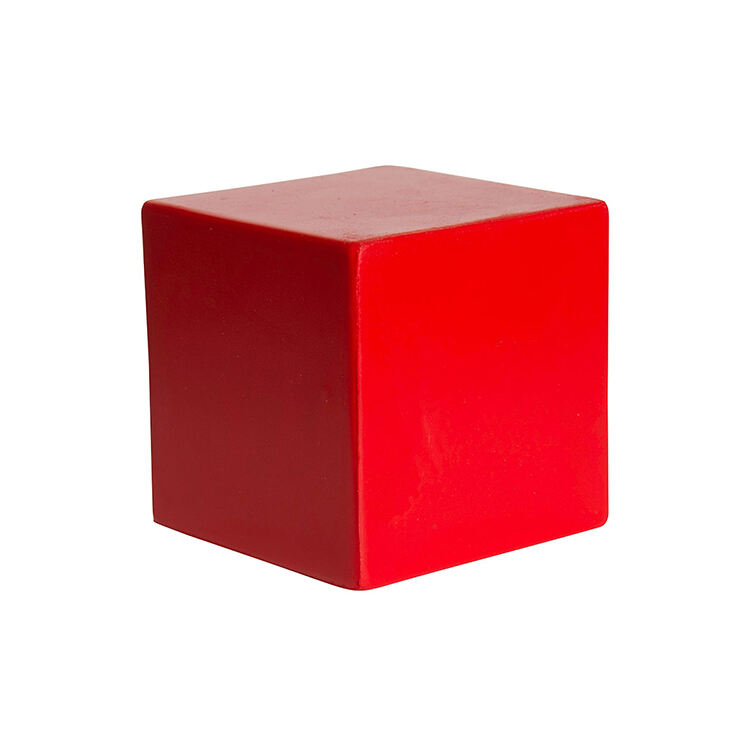
This design flexibility is a critical consideration for B2B buyers and brand managers who need therapeutic items that also carry marketing value. A cube-shaped memory foam stress reliever printed with a corporate logo serves simultaneously as a stress management tool and a branded promotional item. The slow-rebound quality of the foam gives even simple shapes a premium sensory feel that elevates brand perception compared to standard foam or rubber alternatives.
The ability to achieve sharp detail and smooth surface finishes in memory foam also means that branded versions can carry high-resolution printing and embossed or debossed logos without compromising the structural integrity of the product. This makes the memory foam stress reliever one of the most versatile items in the corporate wellness and promotional products space.
Industry Applications From Healthcare to Corporate Wellness
The memory foam stress reliever finds genuine utility across a surprisingly wide range of industries and professional contexts. In healthcare, occupational therapists use these products as part of hand rehabilitation and anxiety management protocols. The predictable resistance and slow recovery of memory foam make it easy to standardize therapeutic exercises and track patient progress over time.
In the corporate wellness sector, HR departments and well-being coordinators increasingly include memory foam stress reliever items in employee care packages, onboarding kits, and mental health awareness campaigns. Research consistently links accessible physical stress outlets in the workplace with reduced absenteeism, improved focus, and higher self-reported well-being scores. A simple desk-level memory foam stress reliever can serve as a daily touchpoint in a broader wellness strategy.
The education sector has also embraced the memory foam stress reliever, particularly in special education and sensory integration programs. Children with attention or sensory processing challenges benefit significantly from the proprioceptive input these products provide during classroom activities. The non-distracting, quiet nature of memory foam — it produces no sound when compressed — makes it an ideal classroom tool that does not disrupt the learning environment for other students.
User Psychology and the Emotional Value of Memory Foam Stress Products
Why the Feel of Memory Foam Creates Lasting Product Attachment
Consumer psychology research into tactile products has found that materials with slow-recovery properties generate stronger emotional attachment than fast-rebound alternatives. A memory foam stress reliever triggers what psychologists call the effort-reward cycle — a small expenditure of physical effort (squeezing) followed by a slow, satisfying visual and tactile reward (the foam returning to shape). This cycle is inherently pleasurable and tends to become habitual.
This habit-forming quality is precisely what makes the memory foam stress reliever so effective in long-term stress management contexts. Unlike medication or formal therapy interventions that require deliberate scheduling, a memory foam stress reliever is used organically throughout the day — during phone calls, while reading emails, or during moments of pause. Its effectiveness is cumulative, building a subtle but consistent stress regulation habit without requiring conscious effort from the user.
For brands and organizations distributing these products, this attachment behavior has significant marketing implications. A memory foam stress reliever that someone keeps on their desk for months creates far more sustained brand exposure than a product that gets discarded after a few uses. The material's intrinsic quality drives retention behavior that more conventional promotional items rarely achieve.
The Role of Perceived Quality in Therapeutic Product Credibility
In therapeutic and wellness contexts, the perceived quality of a product directly influences the user's belief in its efficacy. A memory foam stress reliever that feels premium — with the right density, smooth surface finish, and satisfying slow rebound — signals to the user that the product was designed with purpose and care. This perception of quality increases the likelihood that the user will engage with the product consistently and seriously.
Conversely, a low-quality squeeze toy that immediately communicates cheapness through its feel will often be dismissed as a novelty item rather than a genuine wellness tool. This is why the choice of memory foam as the primary material in therapeutic stress items is not accidental — it is a deliberate quality signal that supports the product's credibility in professional and therapeutic environments.
For B2B procurement teams sourcing therapeutic items for healthcare, education, or corporate wellness, the material quality of a memory foam stress reliever is directly linked to program outcomes. Products that users trust, enjoy, and return to consistently will generate better results than products that are used once and forgotten.
FAQ
What density of memory foam is best for a stress reliever product?
For stress relief applications, a medium-density memory foam is generally considered optimal. It provides enough resistance to deliver meaningful tactile feedback when squeezed, while still conforming comfortably to the hand without requiring excessive grip strength. Very low-density foams can feel insubstantial, while very high-density formulations may be too firm for relaxed, repeated use throughout the day. The right density in a memory foam stress reliever balances resistance, slow recovery, and hand comfort.
Is memory foam in stress relievers safe for extended daily use?
Yes, high-quality memory foam used in reputable stress reliever products is formulated to be non-toxic, skin-safe, and hypoallergenic. It does not contain latex, making it suitable for users with latex sensitivities. A well-manufactured memory foam stress reliever maintains its material integrity through thousands of use cycles without releasing harmful substances. As with any product, buyers sourcing in bulk should verify material certifications and compliance with applicable consumer safety standards for their target market.
How does a memory foam stress reliever compare to weighted stress items for anxiety management?
Memory foam stress relievers and weighted items address anxiety through different sensory pathways. Weighted items like blankets or lap pads provide deep pressure stimulation across larger body areas, activating a broad calming response. A memory foam stress reliever delivers focused proprioceptive input to the hands and fingers, which is highly effective for managing acute stress moments and maintaining concentration during tasks. Many therapists recommend both types as complementary rather than competing tools in a comprehensive stress management strategy.
Can a memory foam stress reliever be customized for corporate branding?
Absolutely. The surface of a memory foam stress reliever is well-suited to full-color printing, logo debossing, and custom shaping, making it one of the most versatile items in the branded promotional products category. Corporate buyers can select specific shapes, colors, and print methods to align the product with brand identity while retaining the therapeutic tactile experience that gives the product its genuine value. Custom memory foam stress reliever products work particularly well as conference giveaways, employee wellness gifts, and healthcare brand awareness items.