
 EN
EN



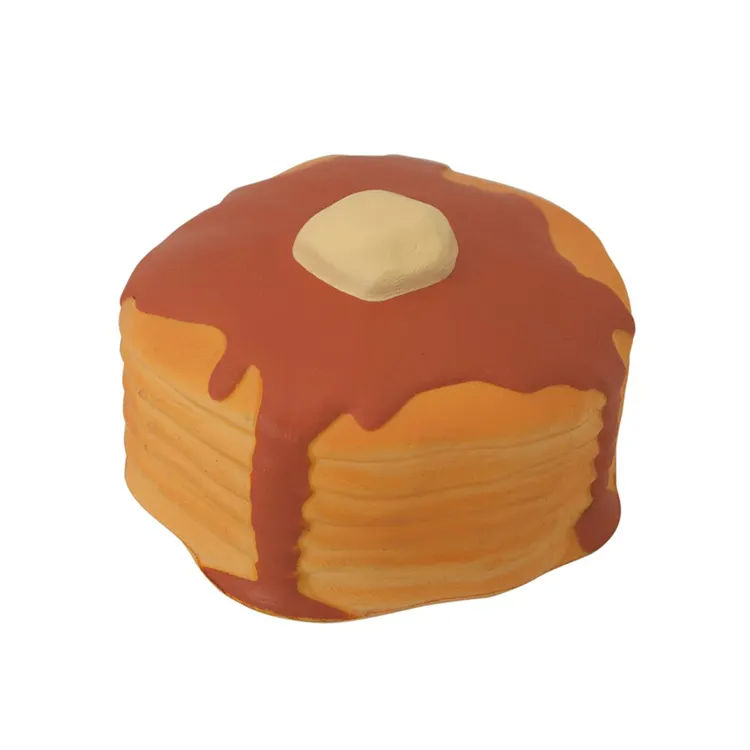
Modern office environments often create significant pressure and anxiety for employees, leading to decreased productivity and overall well-being. In recent years, stress balls have emerged as a popular and effective tool for managing workplace tension and anxiety. These simple yet powerful devices offer a tactile solution that allows individuals to channel their nervous energy while maintaining focus on their daily tasks. The growing adoption of stress balls in corporate settings demonstrates their effectiveness in creating healthier, more balanced work environments.
Understanding Workplace Anxiety and Stress
Common Sources of Office Stress
Office environments present numerous challenges that contribute to elevated stress levels among employees. Tight deadlines, demanding workloads, and constant communication demands create a perfect storm for anxiety development. Many professionals find themselves overwhelmed by the pressure to perform while juggling multiple responsibilities throughout their workday. The sedentary nature of desk jobs also compounds these issues, as physical tension builds up without adequate release mechanisms.
Interpersonal dynamics in the workplace further contribute to stress accumulation. Difficult colleagues, challenging supervisors, and competitive atmospheres can create emotional strain that persists throughout the day. Additionally, the modern expectation of constant availability through digital communication channels means that work-related stress often extends beyond traditional office hours, making stress balls an increasingly valuable tool for managing these pressures.
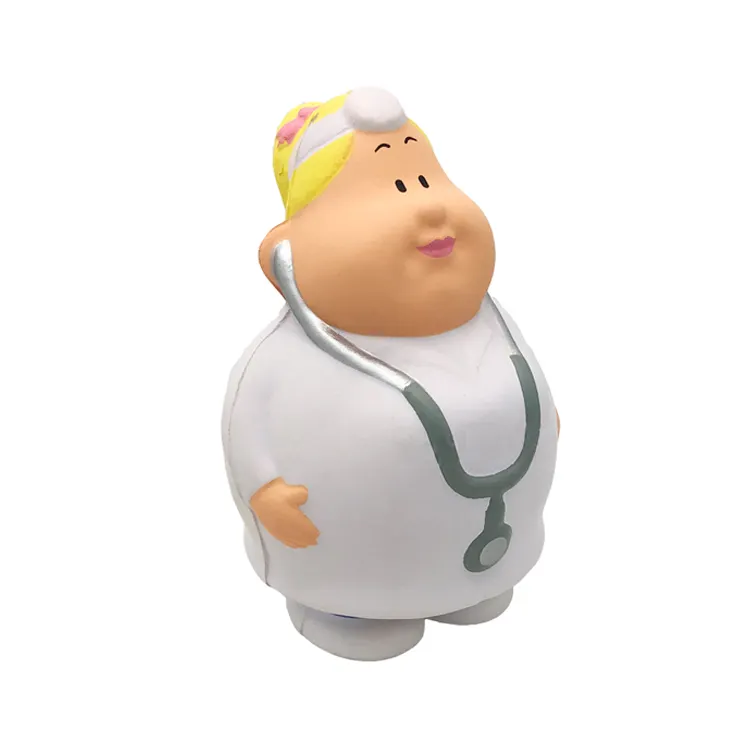
Physical and Mental Impact of Workplace Stress
Chronic workplace stress manifests in both physical and psychological symptoms that can significantly impact employee performance and health. Physical symptoms often include muscle tension, headaches, and fatigue, while mental effects encompass difficulty concentrating, irritability, and decreased decision-making capabilities. These symptoms create a cycle where stress reduces productivity, which in turn generates more stress and anxiety.
The long-term consequences of unmanaged workplace stress extend beyond immediate discomfort. Research indicates that chronic stress can lead to serious health conditions including cardiovascular disease, immune system suppression, and mental health disorders. Recognizing these impacts has led many organizations to seek practical solutions like stress balls to help employees manage their daily anxiety levels effectively.
The Science Behind Stress Ball Effectiveness
Neurological Benefits of Tactile Stimulation
The effectiveness of stress balls stems from their ability to provide targeted tactile stimulation that engages specific neural pathways. When individuals squeeze stress balls, they activate pressure receptors in their hands and fingers, which send signals to the brain that can help interrupt anxiety response patterns. This tactile feedback creates a grounding effect that helps redirect mental focus away from stressful thoughts and toward the physical sensation of the exercise.
Neuroscientific research has demonstrated that repetitive hand movements, such as those involved in using
, can stimulate the release of endorphins and other mood-regulating neurotransmitters. These chemical changes in the brain help reduce cortisol levels, the primary stress hormone, while promoting a sense of calm and well-being. The bilateral nature of hand exercises also engages both brain hemispheres, potentially enhancing cognitive function and emotional regulation.
Muscle Tension Release and Relaxation Response
Using stress balls provides immediate physical benefits through the systematic tensing and releasing of hand and forearm muscles. This process helps alleviate accumulated muscle tension that often develops during prolonged periods of desk work or high-stress situations. The rhythmic squeezing motion promotes blood circulation in the hands and arms, reducing stiffness and improving overall comfort during extended work sessions.
The relaxation response triggered by stress balls extends beyond the immediate area of use. As hand muscles relax following the squeezing action, this relaxation effect can spread throughout the body, helping to reduce overall tension levels. This physiological response activates the parasympathetic nervous system, which counteracts the fight-or-flight response associated with stress and anxiety, promoting a more balanced emotional state.
Practical Applications in Office Settings
Integration into Daily Work Routines
Successful implementation of stress balls in office environments requires strategic integration into existing work routines. Many professionals find that keeping stress balls readily accessible at their desk allows for immediate use during high-pressure moments or challenging tasks. The discrete nature of stress balls makes them ideal for use during phone calls, virtual meetings, or while reading emails, providing stress relief without disrupting professional activities.
Establishing regular stress ball usage patterns can maximize their effectiveness in managing workplace anxiety. Some employees incorporate brief stress ball sessions into their break times, while others use them as transition tools between different tasks or meetings. The portability of stress balls allows employees to carry them to various work locations, ensuring consistent access to stress relief throughout their workday regardless of their physical location within the office environment.
Enhancing Focus and Productivity
Regular use of stress balls can significantly improve focus and concentration levels in office settings. The tactile engagement provides a healthy outlet for nervous energy that might otherwise manifest as fidgeting, pen clicking, or other distracting behaviors. By channeling this energy into purposeful stress ball exercises, employees can maintain better attention spans during lengthy meetings, detailed project work, or other concentration-intensive activities.
Research indicates that the mild physical activity involved in using stress balls can enhance cognitive performance by increasing blood flow to the brain and promoting alertness. This improved mental state translates into better problem-solving abilities, enhanced creativity, and more efficient task completion. Many employees report feeling more energized and mentally sharp after incorporating stress balls into their daily work routines, leading to measurable improvements in their overall job performance.
Choosing and Using Stress Balls Effectively
Selecting Appropriate Stress Ball Types
The effectiveness of stress balls depends significantly on selecting the appropriate type and firmness level for individual needs and preferences. Softer stress balls provide gentle resistance that may be suitable for individuals with limited hand strength or those seeking subtle stress relief during extended use periods. Medium-firm options offer balanced resistance that works well for most users, while firmer stress balls provide more intensive muscle engagement for those requiring stronger tactile feedback.
Material considerations also play a crucial role in stress ball selection. Foam stress balls offer lightweight comfort and quiet operation, making them ideal for open office environments where noise levels matter. Gel-filled options provide smooth, consistent resistance that many users find particularly satisfying, while textured surfaces can enhance sensory engagement and provide additional therapeutic benefits for stress relief applications.
Proper Usage Techniques and Timing
Maximizing the benefits of stress balls requires understanding proper usage techniques and optimal timing for their application. Effective stress ball exercises involve controlled squeezing motions that engage multiple muscle groups in the hands and forearms. Users should focus on steady, rhythmic compression rather than rapid or aggressive squeezing, which can lead to fatigue or muscle strain over extended periods.
Timing stress ball usage strategically throughout the workday can enhance their effectiveness in managing anxiety levels. Many professionals find that using stress balls during natural transition points, such as before important meetings or after completing challenging tasks, helps maintain emotional balance. Short, frequent sessions of two to three minutes tend to be more beneficial than longer, less frequent usage periods, allowing for consistent stress management without interfering with productivity.
Organizational Benefits and Implementation
Creating Stress-Aware Workplace Culture
Organizations that embrace stress balls as part of their workplace wellness initiatives demonstrate commitment to employee mental health and well-being. Providing stress balls to employees sends a clear message that the company recognizes the challenges of modern work environments and actively supports stress management efforts. This proactive approach can improve employee morale, reduce turnover rates, and enhance overall job satisfaction across all organizational levels.
The visible presence of stress balls in the workplace helps normalize conversations about stress management and mental health. When employees see colleagues using these tools openly, it reduces stigma associated with acknowledging workplace stress and encourages others to seek similar support. This cultural shift toward stress awareness can lead to improved communication about workload management and better identification of systemic stress factors within the organization.
Measuring and Tracking Effectiveness
Successful implementation of stress balls in workplace settings benefits from systematic measurement and tracking of their impact on employee well-being and performance. Organizations can utilize employee surveys, productivity metrics, and absenteeism data to assess the effectiveness of stress ball programs. Regular feedback collection helps identify usage patterns, preferred stress ball types, and optimal distribution strategies for maximum organizational benefit.
Long-term tracking of stress ball effectiveness allows organizations to refine their approach and demonstrate return on investment in employee wellness initiatives. Metrics such as reduced sick days, improved employee engagement scores, and decreased stress-related complaints provide quantifiable evidence of program success. This data can support expansion of stress management programs and justify continued investment in employee wellness tools and resources.
FAQ
How often should stress balls be used during the workday
Stress balls can be used as frequently as needed throughout the workday, with most experts recommending short sessions of 2-3 minutes every hour or during times of heightened stress. The key is consistency rather than duration, as regular brief usage tends to be more effective than occasional lengthy sessions. Listen to your body and use stress balls whenever you feel tension building or need to refocus your attention.
Can stress balls help with specific anxiety disorders
While stress balls are beneficial tools for managing general anxiety and workplace stress, they should be considered complementary to professional treatment for diagnosed anxiety disorders. They can provide immediate tactile grounding and help manage symptoms in the moment, but individuals with clinical anxiety conditions should work with healthcare professionals to develop comprehensive treatment plans that may include therapy, medication, and various coping strategies.
Are there any situations where stress balls should not be used
Stress balls should be avoided by individuals with certain hand or wrist injuries, arthritis flare-ups, or carpal tunnel syndrome unless approved by a healthcare provider. Additionally, they may not be appropriate in extremely formal business settings or during presentations where their use might be considered distracting. People with latex allergies should carefully check stress ball materials before use.
How do stress balls compare to other workplace stress management tools
Stress balls offer unique advantages including portability, discreteness, immediate availability, and no requirement for special training or setup. While other tools like meditation apps, breathing exercises, or desk yoga can be highly effective, stress balls provide instant tactile feedback that some individuals find more accessible and engaging. The best approach often involves combining multiple stress management techniques rather than relying solely on one method.