
 EN
EN



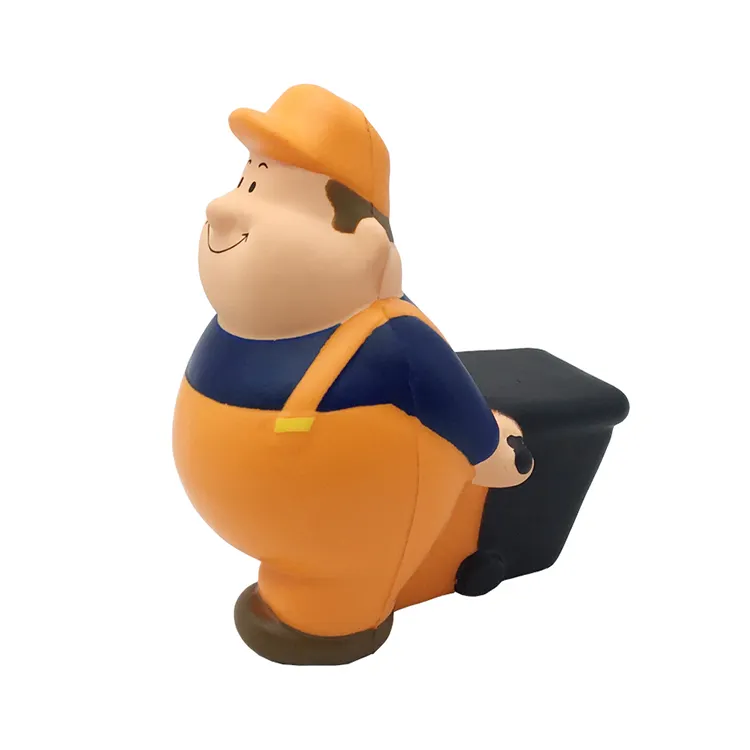
Modern workplaces present numerous challenges that can elevate stress levels, from tight deadlines to demanding clients and complex project requirements. Among the various stress management tools available today, anti stress balls have emerged as one of the most practical and accessible solutions for immediate tension relief. These simple yet effective devices provide a tangible way to channel nervous energy, reduce muscle tension, and promote mental clarity during high-pressure situations. Understanding the science behind why anti stress balls work can help employees and employers alike make informed decisions about incorporating these tools into their daily wellness routines.
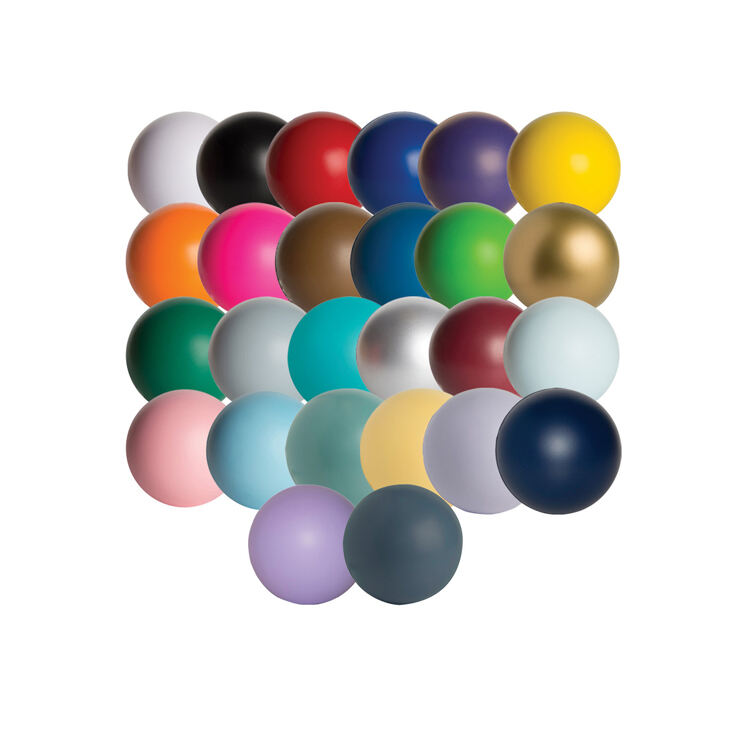
The Neuroscience Behind Stress Ball Effectiveness
How Physical Movement Impacts Mental State
The effectiveness of anti stress balls lies in the fundamental connection between physical movement and mental well-being. When individuals squeeze these devices, they activate specific muscle groups in the hands and forearms, which sends signals to the brain through the nervous system. This physical action triggers the release of endorphins, natural mood-enhancing chemicals that help counteract stress hormones like cortisol and adrenaline. The repetitive squeezing motion creates a meditative rhythm that can shift focus away from stressful thoughts and toward the present moment.
Research in neuroscience has shown that bilateral stimulation, such as alternating squeezes between hands using anti stress balls, can help synchronize brain hemispheres and promote cognitive balance. This process enhances the brain's ability to process information more efficiently while reducing the overwhelming sensations associated with acute stress. The tactile feedback from the stress ball's texture and resistance provides sensory input that can ground individuals in their physical environment, creating a sense of stability during turbulent emotional states.
The Role of Progressive Muscle Relaxation
Anti stress balls facilitate a form of progressive muscle relaxation, a therapeutic technique that involves tensing and releasing muscle groups to achieve deep relaxation. When users grip the ball tightly and then release, they experience the contrast between tension and relaxation, which helps them become more aware of their physical stress responses. This awareness is crucial for developing better stress management skills over time, as individuals learn to recognize early signs of tension buildup.
The portable nature of these devices makes them ideal for implementing quick relaxation sessions throughout the workday. Unlike other stress relief methods that require dedicated time and space, anti stress balls can be used discretely during meetings, phone calls, or while reviewing documents. This accessibility ensures that stress relief becomes an integrated part of the work routine rather than an additional task that requires scheduling.
Physical Benefits of Regular Stress Ball Usage
Hand and Forearm Strength Development
Regular use of anti stress balls provides measurable physical benefits beyond stress relief, particularly in strengthening the muscles of the hands, wrists, and forearms. Office workers who spend long hours typing or using computer mice often develop weakness in these areas, which can lead to repetitive strain injuries and chronic pain. The resistance provided by stress balls offers a convenient way to counteract these effects by engaging the flexor and extensor muscles through controlled gripping exercises.
Physical therapists frequently recommend stress ball exercises for patients recovering from hand injuries or those seeking to prevent carpal tunnel syndrome. The varied resistance levels available in different anti stress balls allow users to progressively build strength while maintaining comfort. This gradual approach to strength building is particularly important for individuals who may have pre-existing conditions or limited mobility in their hands and wrists.
Improved Circulation and Joint Mobility
The squeezing action required to use anti stress balls promotes blood circulation throughout the hands and forearms, which is especially beneficial for individuals who maintain static positions for extended periods. Improved circulation delivers more oxygen and nutrients to tissues while helping remove metabolic waste products that can contribute to stiffness and discomfort. This enhanced blood flow can reduce the likelihood of developing circulatory issues that commonly affect desk workers.
Joint mobility also improves through regular stress ball use, as the various gripping positions and movements help maintain flexibility in the small joints of the fingers and wrist. This mobility enhancement is particularly valuable for preventing the joint stiffness that can develop from prolonged computer use or other repetitive activities. The gentle stretching and compression that occurs during stress ball exercises helps maintain the synovial fluid that lubricates joints, promoting long-term joint health.
Psychological Mechanisms of Stress Relief
Distraction and Focus Redirection
One of the most immediate psychological benefits of using anti stress balls is their ability to serve as a healthy distraction from overwhelming thoughts or situations. When individuals focus their attention on the physical sensation of squeezing and releasing, their minds naturally shift away from stress-inducing thoughts toward the present moment activity. This redirection of mental energy provides temporary relief from anxiety cycles and allows for clearer thinking when addressing challenging situations.
The concept of mindful distraction is well-established in psychology as an effective coping strategy for managing acute stress. Anti stress balls provide a socially acceptable and professional way to implement this technique in workplace settings where other distraction methods might be inappropriate. The discrete nature of stress ball use means that individuals can maintain their professional appearance while actively managing their stress levels during important meetings or high-pressure tasks.
Building Stress Tolerance Over Time
Consistent use of anti stress balls can contribute to building greater stress tolerance through a process called stress inoculation. By regularly engaging in the controlled stress of gripping exercises, individuals develop stronger coping mechanisms that transfer to other stressful situations. This psychological conditioning helps create a sense of control and self-efficacy that can improve overall resilience in facing workplace challenges.
The ritual of using anti stress balls can also serve as an anchor for positive coping behaviors, creating a conditioned response where the physical act of picking up the ball triggers a shift toward a calmer mental state. Over time, this association becomes stronger, making the stress relief response more automatic and effective. This behavioral conditioning is particularly valuable for individuals who struggle with chronic stress or anxiety in professional environments.
Workplace Implementation Strategies
Creating a Stress-Conscious Work Environment
Successful integration of anti stress balls into workplace wellness programs requires thoughtful planning and leadership support. Organizations that prioritize employee mental health often find that providing these simple tools demonstrates genuine care for worker wellbeing while offering practical benefits for productivity and morale. The key to successful implementation lies in normalizing stress management practices rather than stigmatizing them as signs of weakness or inability to handle work pressure.
Leadership teams can model appropriate use of anti stress balls by keeping them visible in their own workspaces and discussing the importance of proactive stress management. When employees see managers and executives using these tools, it creates permission for all team members to prioritize their mental health without fear of judgment. This cultural shift toward stress awareness can significantly impact overall workplace satisfaction and retention rates.
Training and Education Components
Educational programs that explain the science behind anti stress balls can increase employee buy-in and proper usage. Many workers may initially view these tools as toys or gimmicks rather than legitimate wellness instruments. Providing information about the neurological and physiological benefits helps employees understand how these simple devices can contribute to their professional performance and personal well-being.
Training sessions can include demonstrations of proper techniques, timing for optimal use, and integration strategies that don't interfere with work responsibilities. Employees benefit from understanding that anti stress balls are most effective when used proactively rather than reactively, encouraging regular use throughout the day rather than only during crisis moments. This educational approach helps maximize the return on investment for organizations implementing stress ball programs.
Selecting the Right Stress Ball for Maximum Effectiveness
Material Considerations and Durability
The effectiveness of anti stress balls largely depends on selecting appropriate materials that provide the right balance of resistance and comfort. High-quality materials ensure longevity and maintain consistent performance over time, while poor-quality options may deteriorate quickly or provide inadequate resistance. Common materials include polyurethane foam, gel-filled options, and dense rubber compounds, each offering different benefits for specific user needs and preferences.
Polyurethane foam balls are often preferred for their durability and consistent density, making them ideal for regular workplace use. These materials resist compression permanently and maintain their shape even after thousands of squeeze cycles. The uniform resistance provided by quality polyurethane makes these anti stress balls particularly effective for building progressive strength and maintaining consistent stress relief benefits over time.
Size and Resistance Customization
Proper sizing is crucial for maximizing the effectiveness of anti stress balls, as devices that are too large or too small can reduce comfort and limit the range of beneficial exercises. The ideal size allows users to grip the ball comfortably while engaging all finger muscles effectively. Most effective stress balls measure between two and three inches in diameter, providing optimal surface area for gripping while remaining portable and discrete.
Resistance levels should match individual strength capabilities and therapeutic goals. Beginners or those with limited hand strength benefit from softer resistance that allows for comfortable extended use, while individuals seeking strength building may prefer firmer options that provide greater challenge. Many successful workplace programs offer multiple resistance levels, allowing employees to progress as their strength and comfort with anti stress balls increases over time.
FAQ
How often should I use anti stress balls during the workday for optimal results?
For maximum effectiveness, anti stress balls should be used in short sessions of 2-3 minutes every hour throughout the workday, rather than in long continuous sessions. This frequency allows for consistent stress relief without causing hand fatigue, while also providing regular breaks from repetitive computer tasks. Many users find that incorporating stress ball exercises during natural transition periods, such as between meetings or during phone calls, creates sustainable usage patterns that become automatic parts of their daily routine.
Can anti stress balls help with conditions like arthritis or carpal tunnel syndrome?
While anti stress balls can provide gentle exercise that may help maintain hand mobility and circulation, individuals with diagnosed conditions like arthritis or carpal tunnel syndrome should consult healthcare providers before beginning any exercise program. For many people with mild symptoms, the gentle resistance and movement provided by stress balls can complement prescribed treatments, but they should never replace professional medical care. Physical therapists often recommend specific stress ball exercises as part of comprehensive treatment plans for hand and wrist conditions.
Are there any situations where using anti stress balls might not be appropriate?
Anti stress balls may not be suitable during situations requiring complete hand focus, such as detailed writing tasks, precise computer work, or when operating machinery. Additionally, individuals with acute hand injuries, severe arthritis flares, or certain neurological conditions should avoid stress ball exercises until cleared by medical professionals. In professional settings, it's important to consider the appropriateness of stress ball use during formal presentations or client meetings where the movement might be distracting to others.
How long does it typically take to notice stress relief benefits from using anti stress balls?
Many users experience immediate short-term benefits from anti stress balls, including reduced muscle tension and improved focus within the first few minutes of use. However, the cumulative benefits, such as improved stress tolerance and enhanced coping mechanisms, typically develop over several weeks of consistent use. Most workplace wellness programs report that employees notice significant improvements in their ability to manage stress after using anti stress balls regularly for 3-4 weeks, with continued benefits increasing over time with sustained use.
Table of Contents
- The Neuroscience Behind Stress Ball Effectiveness
- Physical Benefits of Regular Stress Ball Usage
- Psychological Mechanisms of Stress Relief
- Workplace Implementation Strategies
- Selecting the Right Stress Ball for Maximum Effectiveness
-
FAQ
- How often should I use anti stress balls during the workday for optimal results?
- Can anti stress balls help with conditions like arthritis or carpal tunnel syndrome?
- Are there any situations where using anti stress balls might not be appropriate?
- How long does it typically take to notice stress relief benefits from using anti stress balls?