
 EN
EN



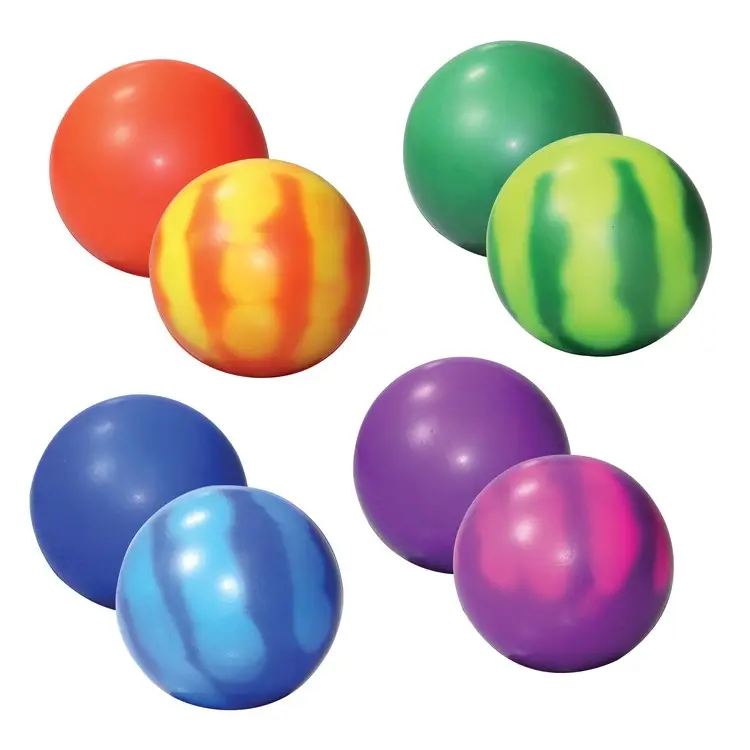
Hand and finger exercises are essential components of physical therapy, rehabilitation, and general wellness routines. Among the various tools available for strengthening and conditioning the hands and fingers, anti stress balls have emerged as versatile and effective equipment. These simple yet powerful devices offer numerous benefits for individuals seeking to improve grip strength, enhance dexterity, and maintain overall hand health. Whether you're recovering from an injury, managing arthritis symptoms, or simply looking to prevent repetitive strain injuries, anti stress balls provide an accessible and convenient solution for targeted hand exercises.
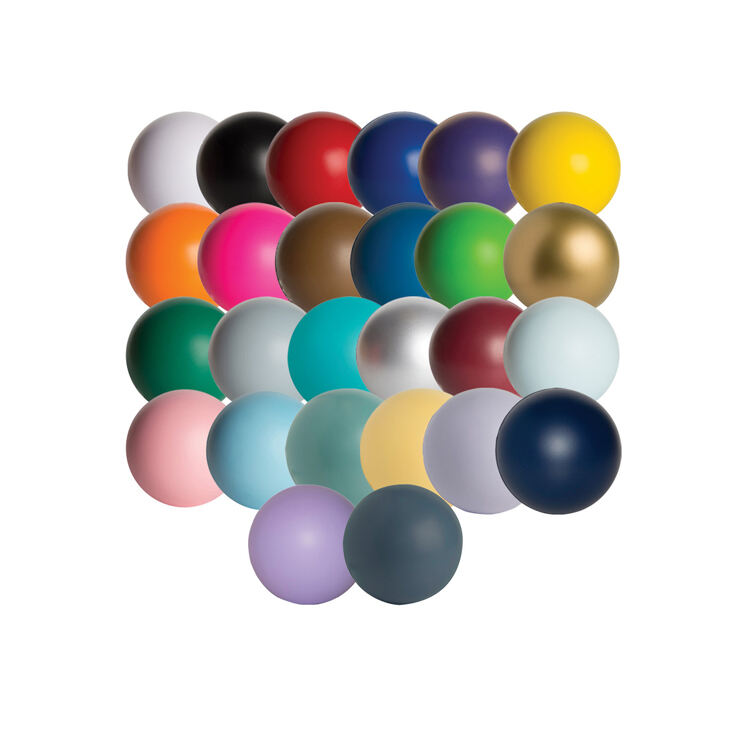
Understanding the Mechanics of Anti Stress Ball Exercises
Muscle Groups Targeted by Anti Stress Balls
When using anti stress balls for hand exercises, multiple muscle groups are engaged simultaneously. The primary muscles worked include the flexor digitorum superficialis and profundus, which control finger flexion, along with the lumbricals and interossei muscles responsible for fine motor control. The thenar and hypothenar muscle groups, located in the thumb and pinky areas respectively, also receive significant activation during squeezing motions. This comprehensive muscle engagement makes anti stress balls particularly effective for developing overall hand strength and coordination.
The resistance provided by these exercise tools creates isometric and isotonic contractions that help build muscular endurance and power. As users squeeze and release the ball, blood circulation increases throughout the hand and forearm, promoting healing and reducing stiffness. The variable resistance levels available in different anti stress balls allow for progressive training, enabling users to gradually increase difficulty as their strength improves.
Biomechanical Benefits of Stress Ball Training
The biomechanical advantages of incorporating anti stress balls into exercise routines extend beyond simple strength building. Regular use helps maintain and improve joint mobility in the fingers, wrist, and thumb joints. The natural gripping motion required when using these balls closely mimics everyday activities such as writing, typing, and grasping objects, making the exercises highly functional and transferable to daily tasks.
Furthermore, the proprioceptive feedback provided by anti stress balls helps enhance neuromuscular coordination. This sensory input improves the brain's ability to control hand movements precisely, which is particularly beneficial for individuals recovering from neurological conditions or those seeking to maintain fine motor skills as they age. The tactile stimulation also activates mechanoreceptors in the skin and joints, contributing to improved hand awareness and dexterity.
Therapeutic Applications in Rehabilitation Settings
Post-Injury Recovery Protocols
Physical therapists frequently incorporate anti stress balls into rehabilitation programs for patients recovering from hand and wrist injuries. Following fractures, tendon repairs, or ligament injuries, these tools provide controlled resistance that can be gradually adjusted based on healing progress. The soft, compressible nature of stress balls makes them ideal for early-stage rehabilitation when aggressive exercises might cause re-injury or excessive pain.
In post-surgical recovery scenarios, anti stress balls offer a safe method for maintaining muscle activation and preventing adhesions. The gentle squeezing motion helps reduce swelling and promotes lymphatic drainage, which accelerates the healing process. Healthcare professionals often recommend specific squeeze-and-hold patterns using these balls to target particular muscle groups while respecting healing tissue constraints.
Managing Chronic Conditions
For individuals living with arthritis, carpal tunnel syndrome, or other chronic hand conditions, anti stress balls provide therapeutic benefits that extend beyond strength training. Regular use helps maintain joint range of motion and can reduce morning stiffness commonly associated with inflammatory conditions. The warmth generated through exercise increases blood flow to affected areas, providing natural pain relief and improved mobility.
Occupational therapists often prescribe specific exercise routines using anti stress balls for patients with degenerative joint diseases. These exercises help maintain functional grip strength necessary for activities of daily living, from opening jars to manipulating small objects. The low-impact nature of stress ball exercises makes them suitable for individuals with sensitive or painful joints who cannot tolerate high-intensity training methods.
Specific Exercise Techniques and Progressions
Basic Grip Strengthening Exercises
The foundation of stress ball training begins with basic grip strengthening exercises that establish proper form and technique. The standard squeeze involves holding the anti stress ball in the palm and squeezing firmly for three to five seconds before slowly releasing. This exercise should be performed with controlled movements, focusing on maximum contraction during the squeeze phase and complete relaxation during release. Beginners typically start with 10-15 repetitions per session, gradually increasing as strength improves.
Variations of the basic squeeze include partial squeezes, where users compress the ball only halfway before releasing, and pulsing squeezes that involve rapid, light compressions. These modifications target different aspects of muscle function, from maximal strength to muscular endurance. The key to effective training with anti stress balls is maintaining consistent pressure and avoiding compensation patterns that might engage unnecessary muscle groups.
Advanced Finger Isolation Techniques
As users develop basic proficiency with anti stress balls, advanced techniques focusing on individual finger strength become important for comprehensive hand conditioning. Pinch exercises involve holding the ball between the thumb and each finger individually, creating targeted strengthening for specific digit combinations. This approach is particularly valuable for musicians, athletes, and individuals whose occupations require precise finger control.
Progressive resistance training with anti stress balls can incorporate timing variations, hold durations, and multi-directional forces. Advanced users might perform exercises while maintaining awkward hand positions or combining stress ball work with other activities to challenge coordination and multi-tasking abilities. These complex movement patterns better prepare the hands for real-world functional demands.
Ergonomic Considerations and Workplace Applications
Preventing Repetitive Strain Injuries
In modern office environments where computer work dominates daily activities, anti stress balls serve as valuable tools for preventing repetitive strain injuries. Regular breaks incorporating stress ball exercises help counteract the effects of prolonged typing and mouse use. The dynamic muscle contractions provided by these exercises promote blood circulation and reduce the risk of developing conditions such as tendinitis or trigger finger.
Workplace wellness programs increasingly include anti stress balls as part of ergonomic intervention strategies. These programs educate employees about proper exercise techniques and encourage regular use throughout the workday. The portability and quiet operation of stress balls make them ideal for office environments, allowing workers to maintain hand health without disrupting colleagues or requiring dedicated exercise space.
Integration with Ergonomic Workstation Design
The effectiveness of anti stress balls in workplace settings is enhanced when combined with proper ergonomic workstation setup. Positioning stress balls within easy reach encourages regular use during natural work breaks. Some ergonomic specialists recommend keeping multiple stress balls of varying resistance levels available, allowing users to select appropriate difficulty based on current fatigue levels or specific therapeutic needs.
Strategic placement of anti stress balls near keyboards, phones, or other frequently used equipment serves as visual reminders to perform regular exercises. This integration helps establish consistent exercise habits that become automatic parts of the work routine. The cumulative effect of frequent, brief exercise sessions often proves more beneficial than longer, less frequent workout periods.
Selecting Appropriate Stress Ball Types
Material Considerations and Resistance Levels
The effectiveness of hand exercises depends significantly on selecting appropriate anti stress balls that match individual needs and capabilities. Different materials offer varying resistance characteristics, durability, and tactile experiences. Foam balls typically provide lower resistance suitable for beginners or individuals with limited hand strength, while gel-filled options offer moderate resistance with consistent compression properties throughout the exercise range.
Rubber and silicone anti stress balls generally provide higher resistance levels appropriate for advanced users or specific therapeutic applications. The material choice also affects longevity, with higher-quality options maintaining their resistance properties longer than cheaper alternatives. Users should consider factors such as allergies to specific materials, preference for texture, and intended frequency of use when making selection decisions.
Size and Shape Variations
Beyond material considerations, the size and shape of anti stress balls significantly impact exercise effectiveness and user comfort. Standard round balls work well for general grip strengthening, but specialized shapes such as eggs or cylindrical designs target different muscle groups and movement patterns. Larger balls typically require more hand opening and provide different leverage characteristics compared to smaller options.
Some anti stress balls feature textured surfaces that provide additional sensory input and may help improve proprioception and tactile sensitivity. These features can be particularly beneficial for individuals with neurological conditions or those seeking enhanced sensory feedback during exercises. The choice between smooth and textured surfaces often comes down to personal preference and specific therapeutic goals.
Measuring Progress and Setting Goals
Tracking Strength Improvements
Establishing measurable goals and tracking progress is essential for maximizing the benefits of anti stress ball exercises. Simple metrics such as the number of repetitions completed without fatigue, duration of sustained squeezes, or subjective pain levels provide valuable feedback about improvement trends. More sophisticated measurement might involve using grip strength dynamometers to quantify force production changes over time.
Regular assessment helps identify when to progress to higher resistance anti stress balls or more challenging exercise variations. Documentation of progress also provides motivation and helps maintain consistent exercise habits. Healthcare providers often use these measurements to adjust treatment plans and ensure optimal recovery trajectories for their patients.
Functional Outcome Measures
While strength measurements provide objective data, functional improvements in daily activities often represent the most meaningful outcomes from anti stress ball training. Users should monitor changes in their ability to perform tasks such as opening jars, writing for extended periods, or manipulating small objects. These functional assessments better reflect the real-world impact of exercise programs.
Quality of life measures, including reduced pain levels, improved sleep quality, and increased confidence in hand function, also serve as important indicators of program effectiveness. Regular evaluation of these broader outcomes helps ensure that anti stress ball exercises are contributing to overall wellness goals rather than simply improving isolated strength parameters.
Safety Guidelines and Precautions
Recognizing Exercise Limitations
While anti stress balls are generally safe exercise tools, certain precautions help prevent overuse injuries and ensure optimal benefits. Users should start with shorter exercise sessions and gradually increase duration and intensity as tolerance improves. Excessive squeezing or prolonged exercise sessions can lead to muscle fatigue, joint pain, or exacerbation of existing conditions.
Individuals with acute injuries, severe arthritis, or recent surgical procedures should consult healthcare providers before beginning exercise programs with anti stress balls. Proper warm-up activities and post-exercise stretching help minimize the risk of muscle soreness and maintain joint flexibility. Recognition of warning signs such as increased pain, swelling, or numbness is crucial for preventing exercise-related complications.
Proper Technique and Form
Maintaining proper technique during anti stress ball exercises is essential for safety and effectiveness. Users should avoid gripping the ball with excessive tension in surrounding muscle groups, which can lead to compensation patterns and reduced exercise specificity. Smooth, controlled movements with appropriate rest intervals between repetitions help ensure optimal muscle recruitment and recovery.
Education about proper breathing techniques during exercises can enhance performance and reduce unnecessary tension. Coordinating breath patterns with squeeze-and-release cycles helps maintain relaxation in non-target muscle groups while maximizing focus on intended movements. Regular technique review with qualified professionals ensures that exercise habits remain safe and beneficial over time.
FAQ
How often should I use anti stress balls for hand exercises
For general hand health and strength maintenance, using anti stress balls for 10-15 minutes daily is typically sufficient. However, individuals in rehabilitation programs may benefit from more frequent sessions of shorter duration, such as 5-minute sessions performed 3-4 times per day. The key is consistency rather than intensity, with gradual progression based on individual tolerance and goals. Those with chronic conditions should follow their healthcare provider's specific recommendations for frequency and duration.
Can anti stress balls help with arthritis symptoms
Yes, anti stress balls can be beneficial for managing arthritis symptoms when used appropriately. The gentle compression and release movements help maintain joint mobility, reduce morning stiffness, and improve circulation to affected areas. However, individuals with severe arthritis should use softer resistance balls and avoid exercises during acute flare-ups. The warmth generated through exercise can provide natural pain relief, but it's important to start slowly and monitor symptoms carefully.
What resistance level should beginners choose
Beginners should start with low to medium resistance anti stress balls that allow them to complete 15-20 repetitions without significant fatigue or discomfort. Foam or soft gel balls are often ideal starting options, providing enough resistance to create muscle activation while remaining comfortable for extended use. As strength and endurance improve, users can progress to firmer materials or combine multiple resistance levels in their exercise routines.
Are there any conditions where stress ball exercises should be avoided
While generally safe, anti stress balls should be avoided during acute injuries involving open wounds, severe inflammation, or recent fractures that haven't been cleared for exercise by medical professionals. Individuals with severe carpal tunnel syndrome, acute tendinitis, or certain neurological conditions may need modified approaches or professional supervision. Anyone experiencing increased pain, numbness, or tingling during exercises should stop immediately and consult a healthcare provider before continuing.
Table of Contents
- Understanding the Mechanics of Anti Stress Ball Exercises
- Therapeutic Applications in Rehabilitation Settings
- Specific Exercise Techniques and Progressions
- Ergonomic Considerations and Workplace Applications
- Selecting Appropriate Stress Ball Types
- Measuring Progress and Setting Goals
- Safety Guidelines and Precautions
- FAQ