
 EN
EN



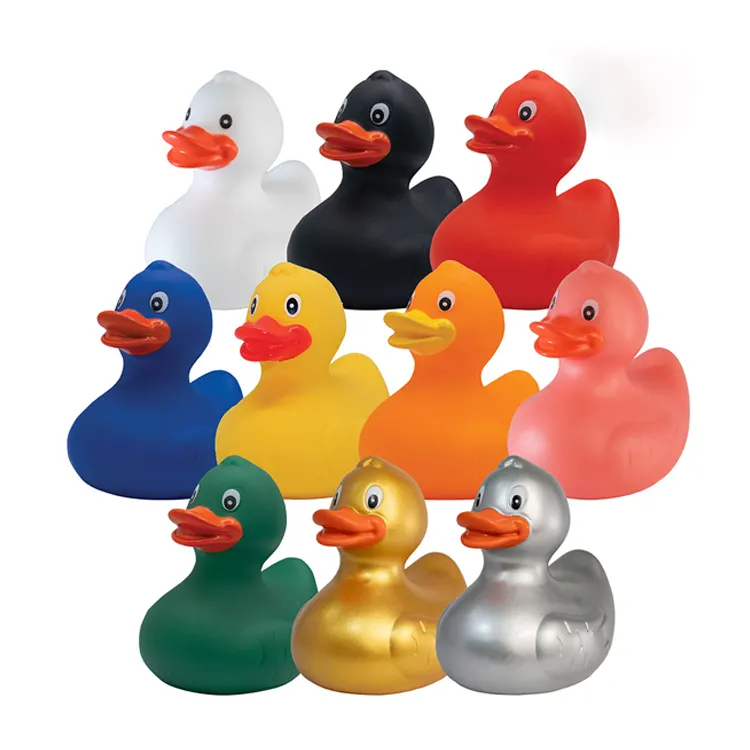
Selecting the right toys for children requires careful consideration of safety standards, material quality, and age-appropriate design features. When it comes to bath time companions and educational playthings, safe rubber ducks have become a cornerstone of childhood development and entertainment. These beloved toys serve multiple purposes beyond simple amusement, contributing to sensory development, imaginative play, and early learning experiences. Parents today face an overwhelming array of options in the toy market, making informed decisions about safe rubber ducks more challenging than ever before.
Understanding Material Safety Standards
Non-Toxic Material Composition
The foundation of any child-safe toy begins with its material composition and manufacturing process. Quality safe rubber ducks should be constructed from food-grade silicone, natural rubber, or certified non-toxic synthetic materials that meet stringent international safety standards. These materials undergo rigorous testing to ensure they contain no harmful chemicals such as phthalates, BPA, lead, or other heavy metals that could pose health risks to developing children. Manufacturers committed to safety typically provide detailed material certifications and test results that parents can review before making purchasing decisions.
The manufacturing process itself plays a crucial role in determining the overall safety profile of rubber duck toys. Reputable manufacturers employ clean production facilities, quality control measures, and batch testing protocols to ensure consistency across their product lines. The vulcanization process used in rubber production must be carefully controlled to prevent the formation of harmful byproducts or residual chemicals that could leach from the toy during use. Parents should look for products that clearly state their compliance with ASTM, EN71, or similar international toy safety standards.
Chemical Testing and Certifications
Independent third-party testing provides the most reliable assurance of toy safety and chemical compliance. Leading manufacturers voluntarily submit their safe rubber ducks to accredited laboratories for comprehensive chemical analysis, including tests for volatile organic compounds, heavy metals, and endocrine-disrupting substances. These test results are often made available through product documentation or manufacturer websites, allowing parents to verify safety claims independently. The presence of recognized certification marks such as CE, CPSIA compliance, or GREENGUARD Gold indicates that products have undergone rigorous evaluation.
Understanding the significance of various safety certifications helps parents make informed purchasing decisions. The Consumer Product Safety Improvement Act requires that children's toys undergo testing for lead content and phthalate levels, while European EN71 standards address mechanical hazards, flammability, and chemical migration. International standards like ISO 8124 provide additional layers of safety verification, particularly for toys intended for very young children who may engage in mouthing behaviors during play.
Age-Appropriate Design Features
Size and Choking Hazard Prevention
Proper sizing represents one of the most critical safety considerations when selecting rubber duck toys for different age groups. Safe rubber ducks designed for infants and toddlers must be large enough to prevent accidental ingestion or airway obstruction, typically measuring at least 1.25 inches in diameter at their smallest point. The overall design should eliminate small detachable parts, sharp edges, or protruding elements that could break off during normal play and create choking hazards. Manufacturers often provide clear age recommendations based on extensive safety testing and child development research.
The construction method used in creating rubber duck toys significantly impacts their long-term safety profile. Seamless molding techniques produce toys without weak points or potential separation areas that could create small parts over time. Quality safe rubber ducks feature reinforced areas around stress points such as the neck or bill connection, ensuring structural integrity even under aggressive play conditions. Regular inspection of toys for signs of wear, cracking, or degradation helps parents identify when replacement becomes necessary for continued safe use.
Surface Texture and Grip Considerations
The surface characteristics of rubber duck toys directly influence both safety and play value for children. Appropriate texture provides sufficient grip for wet hands while avoiding overly rough surfaces that could cause skin irritation or abrasions during extended play sessions. Safe rubber ducks often incorporate subtle texture variations that enhance tactile stimulation and sensory development without compromising comfort or safety. The surface should be easy to clean and resistant to harboring bacteria or mold growth in moist bathroom environments.
Design elements such as raised patterns, gentle ridges, or smooth curves contribute to the educational value of rubber duck toys while maintaining safety standards. These textural features support the development of fine motor skills and tactile discrimination abilities in young children. The balance between functional grip and comfortable handling requires careful engineering to ensure that toys remain safe and enjoyable across different developmental stages and play scenarios.
Hygiene and Maintenance Requirements
Cleaning and Sanitization Protocols
Proper maintenance of rubber duck toys is essential for preventing the growth of harmful bacteria, mold, or mildew that could pose health risks to children. Safe rubber ducks should be designed with smooth, non-porous surfaces that resist microbial colonization and allow for thorough cleaning with standard household disinfectants. The toy's construction should avoid hollow cavities or internal spaces where water could accumulate and create breeding grounds for potentially harmful microorganisms. Regular cleaning protocols help maintain hygiene standards and extend the useful life of the toy.
Effective cleaning procedures for rubber duck toys typically involve warm soapy water, gentle scrubbing, and complete drying between uses. Some safe rubber ducks are designed to withstand dishwasher cleaning or steam sterilization for enhanced sanitization. Parents should establish regular cleaning schedules and inspect toys periodically for signs of deterioration or contamination that might compromise safety or hygiene standards.
Water Drainage and Drying Features
The design of rubber duck toys must account for proper water drainage to prevent internal moisture accumulation that could lead to mold growth or bacterial contamination. Quality toys feature either solid construction without internal cavities or carefully engineered drainage holes that allow complete water evacuation after bath time. The positioning and size of drainage openings must be balanced to ensure effective water removal while preventing the entry of small fingers or objects that could cause injury or blockage.
Storage considerations play an important role in maintaining the hygiene and safety of rubber duck toys over time. Proper air circulation and drying conditions help prevent the development of musty odors or visible mold growth that could indicate contamination. Parents should establish storage routines that promote complete drying and avoid enclosed, humid environments that might compromise toy safety or hygiene standards.
Educational and Developmental Benefits
Sensory Development Support
Quality rubber duck toys contribute significantly to early childhood sensory development through their varied textures, colors, and interactive features. The tactile experience of handling safe rubber ducks helps children develop fine motor coordination and spatial awareness while engaging multiple sensory systems simultaneously. The flexibility and responsiveness of quality rubber materials provide valuable feedback for developing proprioceptive awareness and hand-eye coordination skills that support broader developmental milestones.
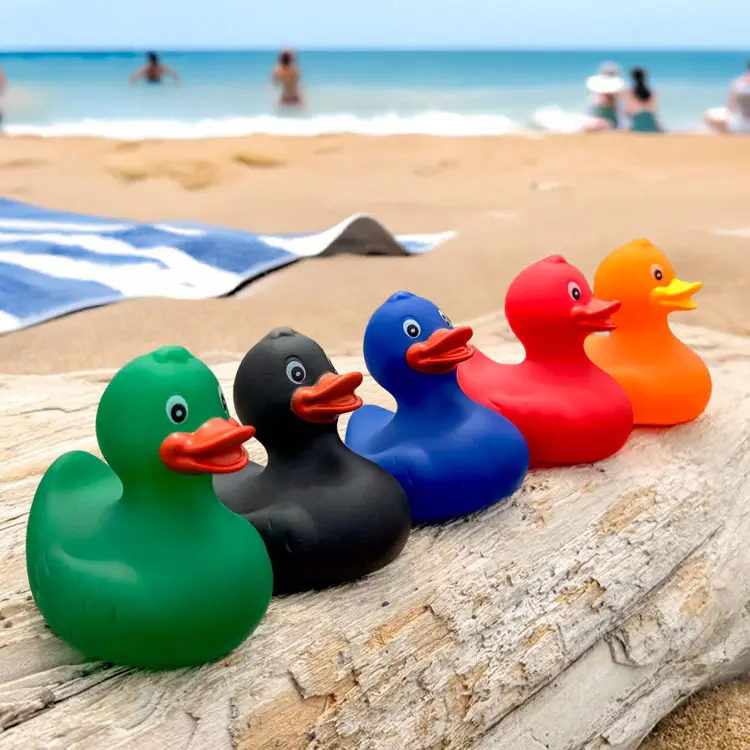
The visual and auditory elements incorporated into rubber duck design can enhance learning opportunities while maintaining safety standards. Bright, contrasting colors support visual development and pattern recognition skills, while gentle squeaking sounds provide auditory stimulation without exceeding safe decibel levels for young ears. These multisensory experiences contribute to neural development and cognitive growth during critical early learning periods.
Imaginative Play Enhancement
Rubber duck toys serve as catalysts for imaginative play scenarios that support social-emotional development and creativity. The familiar, friendly appearance of safe rubber ducks encourages role-playing activities and narrative construction that help children process experiences and develop communication skills. The versatility of these toys allows for integration into various play contexts beyond bath time, supporting continued engagement and learning opportunities throughout different daily activities.
The social aspects of rubber duck play often involve sharing, turn-taking, and cooperative play behaviors that support important developmental objectives. Quality toys maintain their appeal and functionality across repeated play sessions, providing consistent opportunities for skill development and emotional growth. The durability and safety features of well-designed rubber ducks ensure that these learning opportunities remain available throughout extended periods of childhood development.
FAQ
What materials should I avoid when selecting rubber duck toys for my child?
Avoid rubber ducks made from PVC containing phthalates, products with BPA, lead-based paints, or toys that emit strong chemical odors. Look for products specifically labeled as phthalate-free, BPA-free, and compliant with CPSIA standards. Cheap toys from unknown manufacturers often lack proper safety testing and may contain harmful chemicals that could pose health risks to children.
How often should I replace my child's rubber duck toys?
Replace rubber duck toys when you notice signs of wear such as cracks, tears, discoloration, or persistent odors that don't disappear after cleaning. Generally, well-made toys should last 12-18 months with regular use, but inspection frequency should increase if the toy shows any structural damage or if mold growth becomes difficult to remove completely.
Are squeaking rubber ducks safe for infants under 12 months?
Squeaking rubber ducks can be safe for infants if they meet size requirements, have no small removable parts, and produce sounds within safe decibel ranges. However, ensure the squeaker mechanism is internally sealed and cannot be accessed if the toy is damaged. Always supervise infant play and choose toys specifically designed and labeled for their age group.
Can rubber duck toys be cleaned in the dishwasher?
Many high-quality rubber duck toys can be safely cleaned in dishwashers on the top rack using gentle cycles and mild detergents. However, always check manufacturer instructions first, as some toys may be damaged by high heat or harsh detergents. Hand washing with warm soapy water remains the safest cleaning method for most rubber duck toys.