
 EN
EN



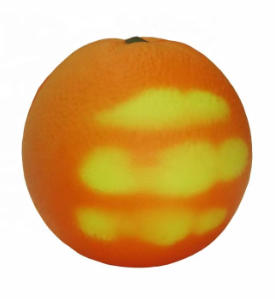
Understanding the Magic Behind Color-Shifting Spheres
The fascinating world of colors changing mood balls has captivated people of all ages, offering both entertainment and a unique way to express emotions through dynamic color transitions. These captivating spheres have evolved from simple novelty items to sophisticated stress-relief tools and decorative pieces that respond to temperature and touch. As these interactive balls continue to gain popularity, understanding how to select the highest quality options becomes increasingly important.
Modern colors changing mood balls incorporate advanced thermochromic technology, allowing them to shift between various hues seamlessly. The best specimens can display vibrant color combinations and maintain their transformative properties for extended periods. Whether you're seeking a therapeutic tool, an educational resource, or a decorative element, choosing the right mood ball can enhance your experience and ensure long-lasting enjoyment.
Essential Features of Premium Mood Balls
Material Quality and Durability
Superior colors changing mood balls are crafted from high-grade materials that ensure both safety and longevity. The outer shell should be constructed from robust, non-toxic materials that can withstand regular handling without compromising the color-changing properties. Look for balls made from medical-grade silicone or similar materials that offer excellent durability while maintaining their smooth, pleasant texture.
The internal composition plays a crucial role in the ball's performance. Premium mood balls contain specially formulated thermochromic compounds that respond quickly to temperature changes while maintaining consistent color transitions. These materials should be safely sealed within the outer layer, preventing any leakage or deterioration over time.
Color Transition Quality
The hallmark of exceptional colors changing mood balls lies in their color transition capabilities. Top-tier products exhibit smooth, vibrant color changes that occur evenly across the surface. The transitions should be clearly visible and happen within a reasonable temperature range, typically between 78°F and 90°F, making them responsive to human touch.
Look for mood balls that offer multiple distinct color combinations rather than simple two-tone transitions. The best varieties can display three or more different colors, creating an engaging and dynamic visual experience. The colors should be rich and well-defined, without appearing muddy or blended during transitions.
Practical Considerations for Selection
Size and Weight Specifications
The ideal size of colors changing mood balls depends largely on their intended use. For stress relief and hand exercises, balls ranging from 2.5 to 3 inches in diameter typically offer the best manipulation experience. Larger sizes, around 4 to 5 inches, work well as decorative pieces or educational tools. The weight should feel substantial enough to provide satisfying feedback but not so heavy as to cause fatigue during extended use.
Consider the relationship between size and color visibility as well. Larger mood balls generally provide more surface area for color transitions, making the changes more dramatic and easier to observe. However, they may require more time to complete full color transitions due to their larger mass.
Safety and Certification Standards
When selecting colors changing mood balls, safety certifications should be a top priority, especially if they will be used by children or in therapeutic settings. Look for products that comply with relevant safety standards such as ASTM F963 for toy safety. Ensure the manufacturer provides clear documentation regarding material safety and non-toxic certification.
Reputable producers will openly display their safety compliance and testing results. This transparency indicates a commitment to quality and user safety. Additionally, check for any specific cleaning and maintenance requirements to ensure the product remains safe and effective throughout its lifespan.
Performance and Longevity Factors
Temperature Sensitivity Range
High-quality colors changing mood balls demonstrate consistent performance across their specified temperature range. The best products respond to subtle temperature variations, creating smooth transitions between colors. The sensitivity should be calibrated to respond effectively to human body temperature while avoiding unwanted changes from ambient conditions.
Consider the environmental conditions where the mood ball will be used. Some premium options offer specialized temperature ranges suitable for different climates or specific applications. The transition points should remain stable over time, maintaining their responsiveness throughout the product's life cycle.
Maintenance and Care Requirements
Superior colors changing mood balls are designed for easy maintenance while preserving their functionality. The surface should be easily cleanable with mild soap and water, without requiring special cleaning agents that might compromise the color-changing properties. Look for products with clear care instructions and avoid those that demand complex maintenance routines.
The color-changing mechanism should be resistant to degradation from regular cleaning and normal use. Quality mood balls maintain their performance characteristics even after repeated washing and handling, showing minimal signs of wear or diminished color-changing capability.
Frequently Asked Questions
How long do quality mood balls typically last?
High-quality colors changing mood balls can last anywhere from 1 to 3 years with proper care and regular use. The longevity depends largely on storage conditions, frequency of use, and adherence to maintenance guidelines. Storing them away from direct sunlight and extreme temperatures can significantly extend their lifespan.
Can mood balls lose their color-changing ability over time?
While all colors changing mood balls may eventually show some reduction in color-changing effectiveness, premium products maintain their properties for extended periods. Gradual changes in performance typically occur after many months of regular use, and proper care can significantly slow this process.
What makes some mood balls more expensive than others?
The price difference in colors changing mood balls usually reflects the quality of materials used, the sophistication of the color-changing technology, and the manufacturing standards employed. Premium balls often feature more complex color transitions, better durability, and higher-grade materials that ensure safety and longevity.