
 EN
EN



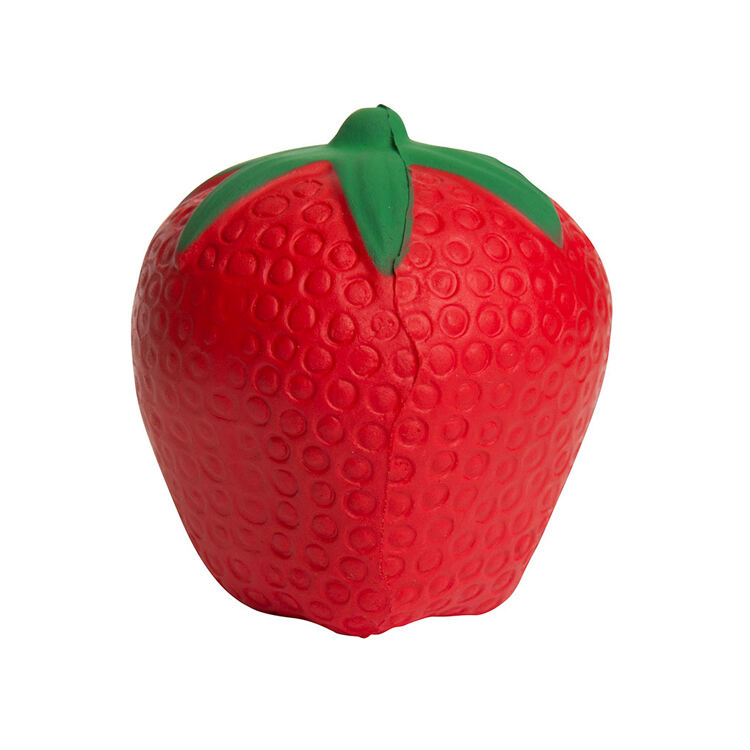
Understanding the Fascinating World of Slow Return Squishies
In recent years, squishy slow return toys have captured the hearts of both children and adults, offering a uniquely satisfying sensory experience that combines entertainment with stress relief. These delightful toys, characterized by their soft texture and gradual shape recovery, have evolved from simple novelties into sophisticated stress-management tools. The mesmerizing way these toys slowly regain their original form after being squeezed has created a devoted following worldwide.
The popularity of squishy slow return toys extends beyond mere entertainment value. These tactile treasures provide a calming effect that many find therapeutic, making them perfect companions for both work and relaxation. As the market continues to expand, understanding how to choose the highest quality options becomes increasingly important for collectors and casual enthusiasts alike.
Essential Quality Indicators for Premium Squishies
Material Composition and Safety Standards
When selecting squishy slow return toys, the material composition stands as a crucial factor. Premium squishies typically utilize high-grade polyurethane foam, which offers the perfect balance of softness and resilience. This material ensures consistent performance and maintains its properties over extended use. Look for products that explicitly state their compliance with safety standards and are certified free from harmful chemicals.
The best squishy slow return toys feature non-toxic materials that have passed rigorous testing protocols. This is particularly important since these items often receive extensive handling and may come into contact with skin for prolonged periods. Quality manufacturers will prominently display their safety certifications and material specifications.
Recovery Time and Memory Properties
The hallmark of superior squishy slow return toys lies in their recovery characteristics. The ideal recovery time typically ranges between 5 to 15 seconds, allowing users to fully appreciate the mesmerizing return process. This careful balance ensures the toy is neither too quick to bounce back nor too slow to maintain interest.
Quality squishies maintain consistent recovery speeds throughout their lifespan. Lower-quality alternatives might exhibit irregular return patterns or lose their slow-return properties after minimal use. When testing a squishy, observe whether it returns evenly and maintains its original shape without deformation.
Design Elements That Impact Performance
Density and Compression Resistance
The density of squishy slow return toys plays a vital role in their overall performance and durability. Premium products offer a satisfying level of resistance when squeezed, neither too firm nor too soft. This optimal density ensures the toy can withstand repeated compression while maintaining its slow-return properties.
Expert manufacturers carefully calibrate their foam density to achieve the perfect balance between squishability and durability. This attention to detail results in toys that provide consistent performance even after hundreds of compression cycles.
Surface Texture and Finish Quality
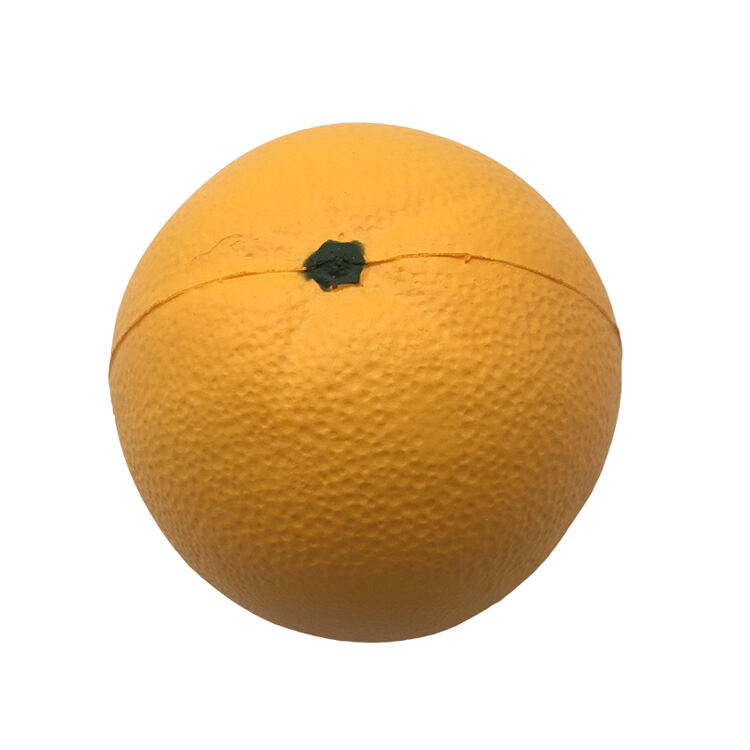
The exterior finish of squishy slow return toys significantly influences both their tactile appeal and longevity. Superior products feature smooth, even surfaces free from imperfections or manufacturing defects. The surface should feel pleasant to touch and resist collecting dirt or debris.
Quality finishes also help prevent the common issue of surface tackiness that can develop over time. Look for toys with specialized coatings that maintain their original texture and resist degradation from regular handling and environmental factors.
Longevity and Maintenance Considerations
Durability Factors
The lifespan of squishy slow return toys depends heavily on their construction quality and material integrity. Premium options maintain their properties for months or even years of regular use. Pay attention to the density consistency throughout the toy, as this indicates careful manufacturing processes and quality control.
High-quality squishies resist tearing and maintain their shape even with aggressive squeezing. The best manufacturers reinforce potential stress points and use materials that resist degradation from environmental factors like heat and humidity.
Proper Care and Storage
To maximize the lifespan of squishy slow return toys, proper maintenance is essential. Store them in cool, dry places away from direct sunlight, which can degrade the foam material. Avoid exposure to extreme temperatures that might affect their recovery properties.
Regular cleaning with appropriate methods helps preserve both the appearance and functionality of these toys. Quality manufacturers typically provide specific care instructions that, when followed, ensure optimal performance throughout the product's life.
Frequently Asked Questions
How long should a quality squishy slow return toy last?
A well-made squishy slow return toy should maintain its properties for at least 6-12 months with regular use. Premium products often last significantly longer when properly maintained and stored under appropriate conditions.
What makes some squishy toys more expensive than others?
Higher-priced squishy slow return toys typically feature superior materials, more consistent manufacturing processes, and better quality control. These factors result in better durability, more reliable performance, and safer materials, justifying the premium price point.
Can squishy slow return toys lose their slow-return properties over time?
While all foam products eventually show signs of wear, quality squishy slow return toys maintain their properties for extended periods. Proper care, storage, and handling significantly impact their longevity. Premium products are specifically engineered to retain their slow-return characteristics through hundreds of use cycles.