
 EN
EN




When it comes to keeping our beloved pets happy and entertained, selecting the right pet toys plays a crucial role in their physical and mental well-being. Different pets have unique needs, preferences, and play styles that require specific types of toys to ensure they remain engaged and healthy. Understanding these differences helps pet owners make informed decisions about which pet toys will best suit their furry, feathered, or scaly companions.
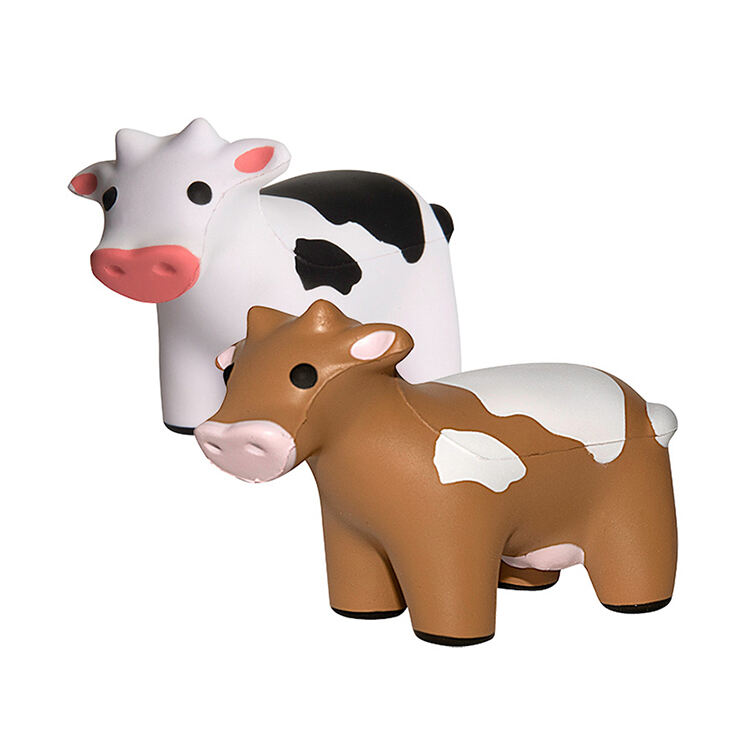
The pet toy industry has evolved significantly over the past decade, with manufacturers developing innovative products that cater to the specific behavioral patterns and instincts of various animals. From interactive puzzle toys that challenge cognitive abilities to simple comfort items that provide emotional support, the range of available pet toys has expanded to meet the diverse needs of modern pet ownership. This comprehensive guide explores the most popular toy categories across different pet species, helping you navigate the extensive market to find the perfect entertainment solutions for your pets.
Essential Dog Toys for Active Canines
Interactive Puzzle Toys for Mental Stimulation
Dogs require mental stimulation just as much as physical exercise, and interactive puzzle toys serve as excellent tools for cognitive development. These specialized pet toys challenge dogs to solve problems, find hidden treats, or manipulate objects to achieve rewards. Popular puzzle toys include treat-dispensing balls, sliding puzzle boards, and multi-level challenge games that keep dogs engaged for extended periods.
The benefits of puzzle-based pet toys extend beyond entertainment, as they help reduce destructive behaviors often caused by boredom or anxiety. Many veterinarians recommend incorporating these toys into daily routines, especially for high-energy breeds that require additional mental challenges. The complexity of these toys can be adjusted based on the dog's skill level, making them suitable for puppies through senior dogs.
Durable Chew Toys for Dental Health
Chewing is a natural instinct for dogs, and providing appropriate chew toys is essential for maintaining dental health while protecting household items from destruction. High-quality pet toys designed for chewing are typically made from durable materials like natural rubber, nylon, or specially treated rope that can withstand aggressive chewing while promoting healthy teeth and gums.
When selecting chew toys, consider your dog's size, age, and chewing intensity to ensure safety and effectiveness. Some pet toys incorporate flavoring or textured surfaces that make them more appealing while providing additional dental benefits through the mechanical action of chewing. Regular rotation of chew toys helps maintain interest and ensures that worn toys are replaced before they become safety hazards.
Engaging Cat Toys for Feline Entertainment
Hunting and Prey Simulation Toys
Cats retain strong hunting instincts regardless of their domestic lifestyle, making prey simulation toys among the most popular pet toys for feline companions. Feather wands, laser pointers, and motorized mice effectively trigger natural hunting behaviors while providing essential exercise and mental stimulation. These toys allow cats to stalk, pounce, and capture prey in a controlled environment that satisfies their predatory needs.
The key to successful prey simulation lies in variety and unpredictability, as cats quickly lose interest in repetitive movements or patterns. High-quality pet toys in this category often feature erratic motion patterns, realistic textures, and engaging sounds that maintain feline attention. Interactive sessions with these toys also strengthen the bond between cats and their owners while providing structured playtime that can be scheduled around the cat's natural activity cycles.
Comfort and Security Toys
Many cats benefit from comfort-oriented pet toys that provide emotional security and stress relief, particularly during transitions or when left alone for extended periods. Soft plush toys, heated beds, and catnip-infused items serve as comfort objects that help reduce anxiety and promote relaxation. These toys are especially valuable for rescue cats or those experiencing changes in their environment.
Catnip and silvervine-enhanced pet toys offer additional benefits through their natural euphoric effects on most cats, creating positive associations with playtime and relaxation. The response to these herbs varies among individual cats, with some showing intense excitement while others remain unaffected. Understanding your cat's specific preferences helps in selecting the most effective comfort toys for their unique personality and needs.
Specialized Toys for Small Pets and Exotic Animals
Exercise and Enrichment for Rabbits and Guinea Pigs
Small mammals like rabbits and guinea pigs require specialized pet toys that accommodate their natural behaviors while fitting within their living spaces. Tunnels, hiding houses, and climbing structures provide essential exercise opportunities and environmental enrichment that prevent boredom and promote natural behaviors. These toys should be made from safe, chew-resistant materials that can withstand the constant gnawing typical of these species.
Foraging toys represent another important category of pet toys for small mammals, as they encourage natural food-seeking behaviors while extending meal times. Hay-filled balls, treat-dispensing puzzles, and hidden food games help maintain mental stimulation and prevent overeating. The design of these toys must consider the size and dexterity limitations of small pets while ensuring easy cleaning and maintenance.
Bird Toys for Cognitive Development
Birds are highly intelligent creatures that require complex pet toys to maintain psychological health and prevent behavioral problems like feather plucking or excessive vocalization. Puzzle toys, foraging devices, and manipulative objects challenge birds' problem-solving abilities while providing necessary mental stimulation. These toys often incorporate bright colors, varied textures, and moving parts that appeal to birds' natural curiosity and dexterity.
Social birds benefit from pet toys that can be shared or used for interactive play with their owners or cage mates. Rope toys, swings, and mirror toys provide opportunities for social interaction and physical exercise. Safety considerations are paramount when selecting bird toys, as materials must be non-toxic and appropriately sized to prevent ingestion or entanglement hazards.
Safety Considerations and Material Selection
Non-Toxic Materials and Manufacturing Standards
The safety of pet toys depends heavily on the materials used in their construction and the manufacturing processes employed. High-quality pet toys are typically made from food-grade silicone, natural rubber, or certified safe plastics that have been tested for harmful chemicals like BPA, phthalates, and heavy metals. Reputable manufacturers provide detailed information about their materials and comply with international safety standards for pet products.
Understanding material safety becomes especially important when pets are likely to chew or ingest portions of their toys. Natural materials like untreated wood, organic cotton, and hemp offer safe alternatives for aggressive chewers, while synthetic materials provide durability and easy cleaning. Regular inspection of pet toys for wear, damage, or loose parts helps ensure ongoing safety throughout the toy's useful life.
Size and Age Appropriateness
Selecting appropriately sized pet toys prevents choking hazards and ensures that toys can be used as intended by pets of different ages and sizes. Manufacturers typically provide sizing guidelines based on pet weight or species, but individual assessment remains important for pets with unique characteristics or special needs. Toys that are too small may pose ingestion risks, while oversized toys may be difficult for smaller pets to manipulate effectively.
Age-appropriate toy selection considers the physical capabilities and behavioral patterns of pets at different life stages. Puppy and kitten toys are often softer and smaller than adult versions, while senior pet toys may focus more on comfort and gentle stimulation rather than vigorous play. The durability requirements for pet toys also vary with age, as younger animals typically exhibit more destructive play behaviors that require more robust construction.
Maintenance and Hygiene for Pet Toys
Cleaning Protocols and Schedules
Proper maintenance of pet toys is essential for preventing the buildup of bacteria, allergens, and odors that could affect pet health or household cleanliness. Most pet toys can be cleaned using mild soap and warm water, with thorough rinsing to remove all cleaning residues. Dishwasher-safe toys offer convenient cleaning options, while fabric toys may require machine washing or specialized cleaning methods depending on their construction.
Establishing regular cleaning schedules for pet toys helps maintain hygiene while extending the useful life of these products. Weekly cleaning of frequently used toys prevents contamination, while deep cleaning or replacement may be necessary for toys showing signs of wear or permanent staining. Some pet toys are designed with antimicrobial treatments that help reduce bacterial growth between cleanings.
Storage and Organization Solutions
Effective storage systems for pet toys help maintain organization while ensuring that toys remain clean and accessible when needed. Designated storage containers or baskets keep toys contained while allowing for proper air circulation that prevents moisture buildup and mold growth. Some pet owners implement rotation systems that keep only a few toys available at any time, maintaining novelty and interest while extending the life of the entire toy collection.
Climate considerations affect the storage requirements for different types of pet toys, with humidity control being particularly important for natural materials or electronic components. Proper storage also includes keeping toys away from direct sunlight, extreme temperatures, and household chemicals that could degrade materials or create safety hazards. Regular inventory checks during storage help identify toys that need cleaning, repair, or replacement.
FAQ
How often should I replace my pet's toys?
The replacement frequency for pet toys depends on several factors including the toy's material, your pet's play style, and signs of wear or damage. Generally, inspect pet toys weekly for loose parts, sharp edges, or significant wear that could pose safety risks. Soft toys may need replacement every few months with regular use, while durable rubber or nylon toys can last much longer. Replace any toy immediately if it shows signs of splintering, has missing pieces, or if your pet has chewed off parts that could be swallowed.
Are electronic pet toys safe for all animals?
Electronic pet toys can be safe when properly designed and used according to manufacturer instructions, but they require additional supervision and maintenance. Ensure that battery compartments are secure and inaccessible to pets, and regularly check for damaged wires or components. Some animals may be frightened by electronic sounds or movements, so introduce these toys gradually and monitor your pet's response. Always choose electronic pet toys from reputable manufacturers that meet safety standards and provide clear usage guidelines.
What should I do if my pet shows no interest in new toys?
Lack of interest in new pet toys can result from various factors including overwhelming choice, improper introduction, or individual preferences. Try introducing one toy at a time and demonstrate its use through interactive play sessions. Some pets respond better to toys that carry familiar scents, so placing new toys near bedding or favorite spots may help. Consider your pet's natural behaviors and preferences when selecting toys, and remember that some animals prefer simple objects over complex toys. Patience and gradual introduction often lead to eventual acceptance and enjoyment.
Can I make homemade toys for my pets?
Homemade pet toys can be safe and effective when created with appropriate materials and safety considerations. Use only pet-safe materials like untreated cardboard, natural cotton rope, or food-grade containers, avoiding items with small parts, toxic materials, or sharp edges. Simple toys like cardboard puzzle boxes, braided rope toys, or frozen treat containers can provide entertainment while ensuring safety. However, always supervise pets with homemade toys and inspect them regularly for damage, as DIY creations may not have the durability testing of commercial pet toys. When in doubt, consult with a veterinarian about the safety of specific materials or designs.