
 EN
EN



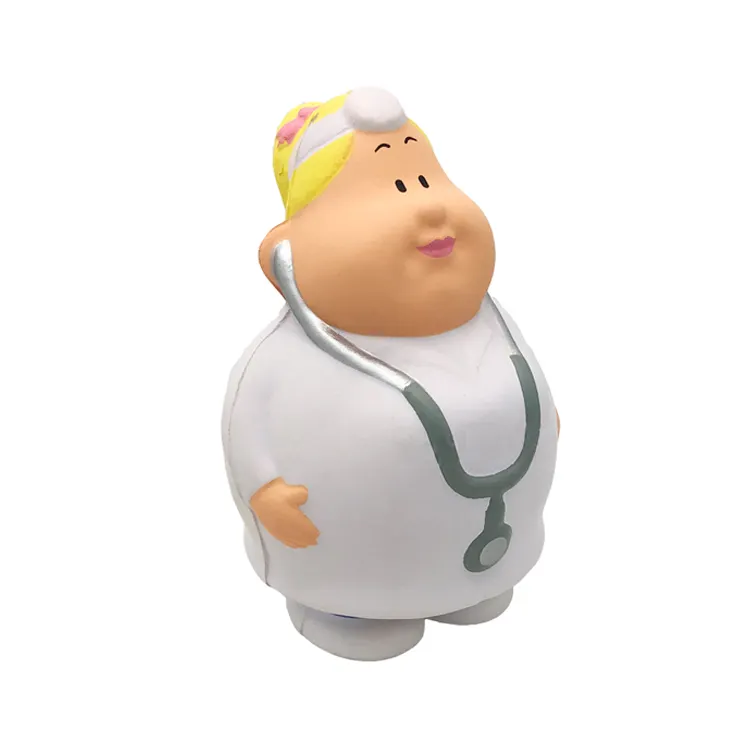
In today's fast-paced world, stress relievers toys have become essential tools for managing daily tension and anxiety. These tactile devices offer immediate relief through physical manipulation, helping users redirect nervous energy into productive actions. The effectiveness and longevity of these therapeutic tools depend heavily on the materials used in their construction, making material selection a critical factor for manufacturers and consumers alike.
Essential Material Properties for Stress Relief Toys
Flexibility and Elasticity Requirements
The primary function of stress relievers toys relies on their ability to withstand repeated compression, stretching, and manipulation without losing their original shape. Materials must possess excellent memory characteristics, allowing them to return to their initial form after deformation. This property ensures consistent tactile feedback throughout the product's lifespan, maintaining the therapeutic benefits that users depend on for stress management.
Elasticity measurements typically range from 200 to 800 percent elongation for premium stress relief products. This wide range accommodates different user preferences and stress relief techniques, from gentle squeezing to more aggressive manipulation. The material's elastic modulus directly impacts the resistance felt during use, creating the satisfying sensory experience that makes these toys effective therapeutic tools.
Durability Under Repetitive Stress
Durability testing for stress relief materials involves subjecting samples to thousands of compression cycles to simulate extended use patterns. High-quality materials maintain their structural integrity after 10,000 to 50,000 compression cycles, depending on the specific application and expected usage frequency. This testing ensures that products can withstand the repetitive nature of stress relief activities without degrading performance.
Temperature resistance also plays a crucial role in durability, as stress relievers toys may be exposed to various environmental conditions. Materials must maintain their properties across temperature ranges from -20°C to 80°C to ensure consistent performance in different climates and storage conditions. This thermal stability prevents brittleness in cold conditions and maintains shape integrity in warm environments.
Polyurethane Foam Applications
Memory Foam Characteristics
Memory foam represents one of the most popular materials for manufacturing stress relievers toys due to its unique viscoelastic properties. This material responds to pressure and temperature, conforming to the user's grip while slowly returning to its original shape when released. The slow recovery rate provides a satisfying tactile experience that many users find particularly calming and therapeutic.
The cellular structure of memory foam allows for controlled compression and expansion, creating consistent resistance throughout the squeezing motion. This uniform response helps users develop rhythmic squeezing patterns that can aid in meditation and mindfulness practices. The material's density typically ranges from 50 to 80 kg/m³ for optimal performance in stress relief applications.
Standard Polyurethane Benefits
Standard polyurethane foam offers excellent cost-effectiveness while maintaining good performance characteristics for stress relief toys. This material provides immediate rebound properties, making it ideal for rapid stress relief techniques where quick compression and release cycles are preferred. The open-cell structure allows for air circulation, preventing the accumulation of moisture during extended use sessions.
Manufacturing versatility makes polyurethane foam attractive for creating diverse shapes and sizes of stress relief products. The material can be easily molded into complex geometries, allowing for innovative designs that enhance the user experience. Color additives integrate seamlessly into the foam structure, enabling vibrant and appealing product aesthetics without compromising material properties.
Silicone and Rubber Alternatives
Medical-Grade Silicone Properties
Medical-grade silicone offers superior safety and durability characteristics for stress relievers toys, particularly those intended for frequent handling or potential oral contact. This material provides excellent tear resistance and maintains flexibility across extreme temperature ranges, making it suitable for diverse usage scenarios. The non-porous surface prevents bacterial growth and allows for easy sanitization, addressing hygiene concerns in shared environments.
The Shore hardness scale for stress relief silicone typically ranges from 20A to 60A, allowing manufacturers to customize the firmness level according to user preferences and therapeutic requirements. Softer grades provide gentle resistance suitable for children or individuals with limited hand strength, while firmer grades offer more substantial tactile feedback for users seeking intensive stress relief experiences.
Natural and Synthetic Rubber Options
Natural rubber provides excellent elasticity and durability for stress relief applications, though it requires careful processing to prevent allergic reactions in sensitive users. The material's high tear strength and abrasion resistance make it suitable for intensive use patterns, while its natural origin appeals to environmentally conscious consumers. However, natural rubber's susceptibility to ozone degradation and temperature extremes may limit its application in certain environments.
Synthetic rubber alternatives, such as EPDM and nitrile rubber, offer improved weather resistance and chemical stability compared to natural rubber. These materials maintain consistent properties across wider temperature ranges and resist degradation from environmental factors like UV exposure and ozone. The ability to precisely control material properties during synthesis allows manufacturers to optimize performance characteristics for specific stress relief applications.
Thermoplastic Polymer Solutions
TPE and TPU Advantages
Thermoplastic elastomers (TPE) and thermoplastic polyurethanes (TPU) represent advanced material solutions for stress relievers toys, combining the processing advantages of thermoplastics with the performance characteristics of rubber. These materials offer excellent recyclability, addressing growing environmental concerns in toy manufacturing. The ability to reprocess and remold these materials reduces waste and supports sustainable manufacturing practices.
Processing flexibility allows manufacturers to use injection molding techniques with TPE and TPU materials, enabling mass production of complex stress relief toy designs with consistent quality. The materials' ability to bond with rigid plastic components facilitates the creation of multi-material products that combine different textures and firmness levels within a single stress relief tool.
Processing and Manufacturing Benefits
The thermoplastic nature of these materials allows for efficient manufacturing processes with shorter cycle times compared to thermoset alternatives. This efficiency translates to reduced production costs and faster time-to-market for new stress relief toy designs. The materials' stability during processing ensures consistent product quality across large production runs, meeting the demands of commercial stress relief toy distribution.
Color matching and aesthetic customization become simplified with thermoplastic materials, as pigments can be easily incorporated during the melting process. This capability enables manufacturers to create visually appealing products that align with brand requirements and consumer preferences without compromising material performance or adding significant production complexity.
Safety and Regulatory Considerations
Chemical Safety Standards
Material safety represents a paramount concern in stress relief toy manufacturing, particularly for products intended for children or frequent handling. Regulatory compliance requires adherence to strict standards regarding heavy metal content, phthalate levels, and volatile organic compound emissions. Testing protocols verify that materials meet safety requirements across international markets, ensuring global distribution compliance.
Biocompatibility testing becomes essential for materials that may come into contact with skin during extended use periods. ISO 10993 standards provide comprehensive guidelines for evaluating material safety in medical and consumer applications, including cytotoxicity, sensitization, and irritation potential. These rigorous testing protocols ensure that stress relief toys remain safe throughout their intended lifespan.
Age-Appropriate Material Selection
Different age groups require specific material considerations to ensure both safety and effectiveness in stress relief applications. Children's products must meet more stringent safety requirements, including enhanced tear resistance to prevent small part generation and non-toxic formulations that remain safe if accidentally ingested. Adult-oriented products can utilize a broader range of materials, focusing on performance optimization rather than safety limitations.
Texture considerations also vary by age group, with smoother surfaces typically preferred for younger users to prevent skin irritation during extended manipulation. Adult products may incorporate more varied textures to enhance sensory stimulation and therapeutic effectiveness. Material selection must balance these age-specific requirements with durability and performance expectations.
Performance Testing and Quality Assurance
Standardized Testing Protocols
Comprehensive testing protocols ensure that stress relievers toys meet performance expectations throughout their operational lifespan. Compression testing evaluates the material's response to repeated loading cycles, measuring parameters such as compression set, recovery time, and force-displacement characteristics. These measurements provide quantitative data to support material selection decisions and quality control processes.
Accelerated aging tests simulate extended use conditions by exposing materials to elevated temperatures, humidity levels, and UV radiation. These tests predict long-term performance characteristics and identify potential degradation modes that could affect product functionality or safety. Results inform warranty policies and expected product lifespans for consumer communication.
Real-World Performance Validation
Field testing with actual users provides valuable insights into material performance under realistic conditions that laboratory testing cannot fully replicate. User feedback regarding tactile satisfaction, durability perception, and overall effectiveness helps validate material selection decisions and identify areas for improvement. This real-world data complements laboratory testing to provide comprehensive material performance evaluation.
Long-term performance monitoring tracks product performance over extended periods, identifying degradation patterns and failure modes that inform future material improvements. This data collection process helps manufacturers optimize material formulations and processing parameters to enhance product longevity and user satisfaction.
FAQ
What makes memory foam superior for stress relief toys?
Memory foam's viscoelastic properties provide the ideal combination of pressure sensitivity and slow recovery that creates a satisfying tactile experience. The material conforms to grip pressure while maintaining structural integrity, offering consistent resistance throughout the squeezing motion. Its temperature sensitivity adds another dimension to the sensory experience, making it particularly effective for stress relief applications.
How do manufacturers ensure stress relief toy materials remain safe for children?
Manufacturers implement rigorous testing protocols including heavy metal analysis, phthalate screening, and biocompatibility assessment according to international safety standards. Materials undergo evaluation for tear resistance to prevent small part generation, and non-toxic formulations ensure safety even if accidentally ingested. Age-appropriate material selection prioritizes safety while maintaining therapeutic effectiveness.
Why do some stress relief toys lose their shape over time?
Shape loss typically results from material fatigue caused by repeated compression cycles that exceed the material's elastic limit. Lower-quality materials may lack sufficient molecular structure to maintain shape memory under intensive use. Environmental factors such as temperature extremes, UV exposure, and chemical contamination can also accelerate material degradation and reduce shape retention capabilities.
What role does material density play in stress relief effectiveness?
Material density directly influences the resistance felt during compression, affecting the tactile feedback that users experience during stress relief activities. Higher density materials provide more substantial resistance, suitable for users seeking intensive tactile stimulation, while lower density options offer gentler feedback for relaxation-focused applications. The optimal density depends on individual preferences and intended therapeutic outcomes.