
 EN
EN



Understanding the Essential Role of Toys in Pet Wellness
Pet toys are far more than simple playthings - they serve as vital tools for maintaining both the physical and mental wellbeing of our beloved animal companions. From energetic puppies to senior cats, appropriate toys provide crucial stimulation that supports healthy development and helps prevent various behavioral issues. As pet parents increasingly prioritize their animals' overall wellness, understanding how toys contribute to pet health has become more important than ever.
Modern veterinary science has demonstrated that regular play with appropriate toys can significantly impact an animal's quality of life. These benefits extend far beyond mere entertainment, touching on aspects of physical fitness, cognitive development, and emotional stability. For both cats and dogs, engaging with pet toys helps simulate natural behaviors they would express in the wild, making them essential tools for domesticated animals.
Physical Health Advantages of Pet Toys
Exercise and Weight Management
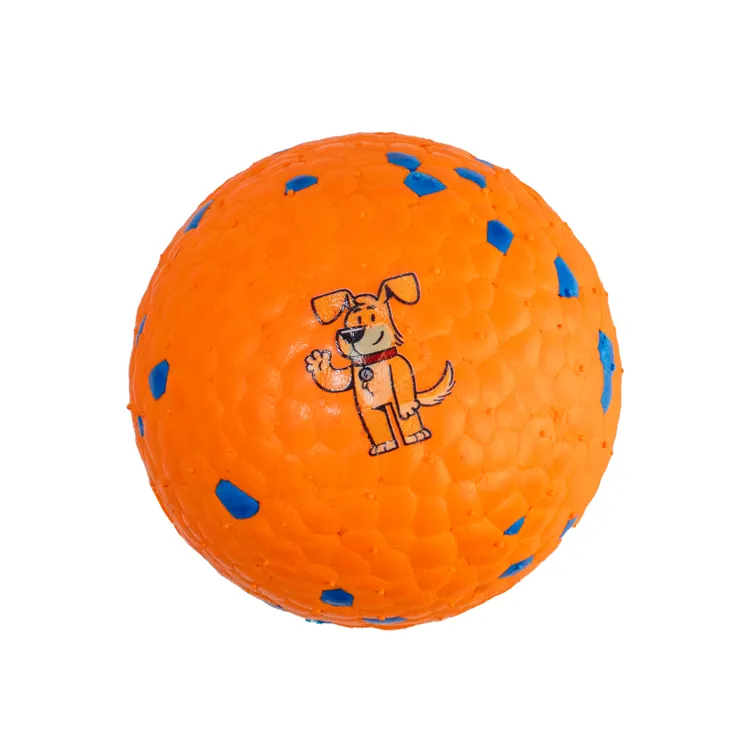
One of the primary benefits of pet toys is their role in promoting physical activity. Interactive toys like balls, frisbees, and wand toys encourage pets to run, jump, and stay active. This regular exercise is crucial for maintaining a healthy weight and preventing obesity-related health issues. For indoor pets especially, toys provide essential opportunities for movement and activity that might otherwise be limited.
Regular play sessions with pet toys help build muscle strength, improve coordination, and enhance cardiovascular health. Even simple activities like fetching or chasing toys can provide significant exercise benefits, helping pets maintain optimal physical condition throughout their lives.
Dental Health Maintenance
Chew toys and dental-specific pet toys play a crucial role in maintaining oral health. The act of chewing helps reduce plaque buildup, strengthens jaw muscles, and can even help massage gums. Specially designed dental toys often feature textures and materials that help clean teeth while the pet plays, serving as an important supplement to regular dental care routines.
For puppies and kittens, appropriate chew toys also assist with teething discomfort and help establish healthy chewing habits early on. This can prevent destructive behaviors and promote proper dental development during crucial growth stages.
Mental Stimulation and Cognitive Benefits
Problem-Solving Development
Interactive pet toys, particularly puzzle toys and treat-dispensing devices, provide essential mental stimulation. These toys challenge pets to figure out how to access treats or rewards, encouraging problem-solving skills and cognitive development. This mental exercise is especially important for intelligent breeds that require additional intellectual stimulation to prevent boredom and associated behavioral issues.
Regular engagement with mentally stimulating pet toys has been shown to help maintain cognitive function as animals age, potentially slowing the progression of age-related mental decline. These toys keep pets' minds sharp and engaged, contributing to better overall mental health throughout their lives.
Emotional Enrichment and Stress Relief
Pet toys serve as important tools for emotional regulation and stress relief. Comfort toys, such as plush animals for dogs or soft toys for cats, can provide emotional support and help reduce anxiety. This is particularly beneficial for pets that experience separation anxiety or stress in new situations.
The act of playing with toys also releases endorphins, promoting a sense of happiness and wellbeing in pets. This natural mood enhancement can help prevent depression and other emotional issues that might arise from insufficient stimulation or environmental stress.
Social Development and Behavioral Benefits
Training and Bonding Opportunities
Pet toys create valuable opportunities for training and strengthening the bond between pets and their owners. Interactive play sessions using toys help establish trust, reinforce positive behaviors, and create shared experiences that enhance the human-animal bond. These interactions are crucial for developing well-adjusted, socially confident pets.
Using pet toys in training scenarios also helps teach important commands and boundaries, making them invaluable tools for behavioral development. The positive associations formed during play can make training more effective and enjoyable for both pets and their owners.
Prevention of Destructive Behaviors
Appropriate pet toys help channel natural instincts into acceptable behaviors, preventing destructive habits from developing. For instance, providing proper chew toys can prevent dogs from chewing furniture or personal items, while scratch posts and interactive toys can keep cats from damaging furniture with their claws.
These toys also help reduce boredom-related behavioral issues by providing appropriate outlets for energy and natural instincts. This is particularly important for high-energy breeds or pets that spend significant time alone.

Frequently Asked Questions
How Often Should I Replace My Pet's Toys?
Pet toys should be regularly inspected for wear and tear, and replaced when they show signs of significant damage. Generally, soft toys may need replacement every few months, while more durable toys can last longer. Always remove toys that are broken or have loose parts to prevent choking hazards.
What Types of Toys Are Best for Senior Pets?
Senior pets benefit from softer, easier-to-handle toys that don't put excessive strain on their joints. Puzzle toys and gentle interactive toys can provide appropriate mental stimulation while accommodating their physical limitations. Consider toys specifically designed for older pets with softer materials and lower-impact play styles.
How Can I Tell if a Toy is Safe for My Pet?
Safe pet toys should be appropriately sized for your pet, made from non-toxic materials, and free from small parts that could be swallowed. Look for toys from reputable manufacturers, check for quality certifications, and always supervise your pet during initial play sessions with new toys to ensure they're using them safely.