
 EN
EN



Les environnements de bureau modernes présentent de nombreux défis susceptibles de déclencher de l’anxiété et de la tension tout au long de la journée de travail. Des délais serrés aux présentations exigeantes, le stress au travail est devenu un problème de plus en plus répandu, affectant le bien-être et la productivité des employés. Une solution simple mais efficace, largement reconnue, consiste à utiliser des balles anti-stress, qui procurent un soulagement tactile immédiat et peuvent facilement s’intégrer aux routines quotidiennes au bureau. Ces petits outils compressibles offrent un moyen discret de gérer les symptômes d’anxiété tout en conservant une apparence professionnelle dans les environnements corporatifs.
Comprendre l’anxiété au travail et ses manifestations physiques
Causes fréquentes du stress lié au bureau
Les environnements de bureau génèrent des facteurs de stress spécifiques qui peuvent s’accumuler tout au long de la journée et se manifester sous forme de tension physique. Des charges de travail importantes, des conflits interpersonnels, des évaluations de performance et des frustrations liées aux technologies contribuent à l’élévation du niveau de stress chez les employés. Des recherches montrent qu’une exposition prolongée à ces facteurs de stress professionnels peut entraîner une anxiété chronique, affectant à la fois la clarté mentale et la santé physique. Le caractère concurrentiel de nombreux environnements professionnels amplifie encore davantage ces préoccupations, créant un cercle vicieux dans lequel le stress engendre davantage de stress.
En outre, les postures de travail sédentaires et les tâches répétitives peuvent provoquer une tension musculaire au niveau des mains, des poignets et des avant-bras. Ce malaise physique aggrave souvent le stress psychologique, créant ainsi une boucle de rétroaction qui nuit au bien-être général. De nombreux employés se surprennent à serrer inconsciemment les poings ou à contracter les muscles de la mâchoire pendant les moments particulièrement stressants, ce qui souligne la nécessité d’outils sains pour libérer la tension accumulée.
Symptômes physiques de l’anxiété en milieu professionnel
L’anxiété en milieu de bureau se manifeste fréquemment par des symptômes physiques observables pouvant nuire à la performance professionnelle. Les signes courants comprennent une accélération du rythme cardiaque, une respiration superficielle, une tension musculaire et une agitation. Les employés peuvent remarquer que leurs mains deviennent fébriles lors de réunions importantes ou d’appels téléphoniques, ce qui traduit la réponse naturelle de « combat ou fuite » de l’organisme face à des menaces ou des défis perçus.
Ces réactions physiologiques constituent des signaux d'alerte précoce indiquant que le niveau de stress devient ingérable. Si elles ne sont pas traitées, ces symptômes peuvent s'aggraver et entraîner des problèmes de santé plus graves, tels que des céphalées, des troubles digestifs et des perturbations du sommeil. La reconnaissance de ces schémas permet aux individus de mettre en œuvre des stratégies proactives de gestion du stress avant que l'anxiété n'atteigne un niveau accablant.
Les fondements scientifiques de l'efficacité des balles anti-stress
Bienfaits neurologiques de la stimulation tactile
Les bienfaits thérapeutiques des balles anti-stress découlent de leur capacité à fournir une stimulation tactile ciblée qui sollicite le système nerveux de manière bénéfique. Lorsque les individus serrent ces outils, ils activent des récepteurs de pression situés dans les mains et les doigts, lesquels envoient des signaux au cerveau pouvant contribuer à interrompre les schémas de pensée induisant l'anxiété. Cette réponse neurologique crée un effet ancrant qui redirige l'attention mentale, la détournant des situations stressantes pour la concentrer sur les sensations physiques immédiates.
Des études scientifiques ont démontré que les mouvements répétitifs de compression stimulent la libération d’endorphines, les substances chimiques naturelles du corps qui améliorent l’humeur. Cette réponse biochimique aide à contrer les hormones du stress, telles que le cortisol et l’adrénaline, favorisant ainsi un état émotionnel plus équilibré. La nature rythmique de l’utilisation de balles de stress confère une qualité méditative qui peut abaisser la pression artérielle et ralentir le rythme cardiaque pendant les moments de tension.
Mémoire musculaire et formation des habitudes
L’utilisation régulière de balles anti-stress contribue à établir des schémas positifs de mémoire musculaire, pouvant être automatiquement déclenchés en situation de stress. Ce processus d’entraînement permet au cerveau d’associer le geste de compression à la détente et à la réduction du stress, créant ainsi un mécanisme d’adaptation efficace qui ne nécessite qu’un effort conscient minimal pour être activé. Avec le temps, cette mémoire musculaire s’ancrage profondément, offrant un accès immédiat aux techniques de réduction du stress.
La formation de ces habitudes bénéfiques illustre comment des outils simples peuvent engendrer des changements comportementaux durables. À mesure que les employés utilisent régulièrement des balles anti-stress dans des moments difficiles, ils renforcent les voies neuronales associées à des réponses saines au stress. Cette neuroplasticité permet aux individus de développer une résilience face aux situations futures susceptibles de provoquer de l’anxiété, tout en conservant une meilleure régulation émotionnelle tout au long de leur journée de travail.
Applications pratiques en milieu de bureau
Techniques de soulagement du stress au poste de travail
Intégrer des balles anti-stress dans les routines de travail au bureau nécessite une planification stratégique afin d’en maximiser l’efficacité sans nuire à la productivité. Les employés peuvent garder ces outils à portée de main, ce qui permet d’y accéder rapidement pendant les appels téléphoniques, la lecture d’e-mails ou les séances de résolution de problèmes. Le caractère discret des balles anti-stress les rend idéales pour une utilisation lors de conférences vidéo ou de réunions, où des outils visibles de gestion du stress peuvent procurer un sentiment de confort sans attirer une attention indésirable.
Les techniques efficaces pratiquées au bureau incluent l’alternance des mains lors de l’utilisation de balles anti-stress afin de prévenir la fatigue et d’assurer un engagement musculaire équilibré. Certains professionnels constatent que des séquences de compression synchronisées avec des exercices respiratoires renforcent la réponse de détente. La création de routines spécifiques autour de l’utilisation de balles anti-stress — par exemple, prendre trois grandes inspirations tout en comprimant la balle pendant dix secondes — contribue à instaurer des pratiques cohérentes de gestion du stress tout au long de la journée de travail.
Soutien aux réunions et aux présentations
Les situations à forte pression, telles que les présentations ou les réunions importantes, déclenchent souvent des réponses anxieuses aiguës pouvant nuire à la performance et aux capacités de prise de décision. Les balles anti-stress constituent un excellent mécanisme d’adaptation dans ces cas, permettant aux individus de canaliser leur énergie nerveuse vers une activité physique productive. Leur caractère portable en fait des compagnons idéaux pour les salles de conférence et les espaces de présentation.
L'utilisation stratégique pendant les réunions implique des mouvements subtils de compression qui restent en dessous du niveau de la table, préservant ainsi une apparence professionnelle tout en procurant un soulagement de l'anxiété. De nombreux cadres dirigeants et gestionnaires ont constaté que la présence de balles anti-stress lors de négociations délicates ou d'évaluations de performance les aide à conserver leur sang-froid et à réfléchir plus clairement sous pression. La concentration améliorée et la réduction de l'anxiété se traduisent souvent par une communication plus efficace et des résultats plus probants.
Choisir la balle anti-stress adaptée à un usage de bureau
Matériaux utilisés et durabilité
Le choix de balles anti-stress appropriées pour les environnements de bureau exige une attention particulière portée aux propriétés des matériaux et à leur durabilité à long terme. Les options haut de gamme en polyuréthane offrent une excellente résistance à la compression tout en conservant leur forme sur de longues périodes d'utilisation. Ces matériaux assurent un équilibre optimal entre fermeté et souplesse, garantissant aux utilisateurs un soulagement efficace du stress sans provoquer de fatigue ni d'inconfort au niveau de la main.
Les balles anti-stress de qualité professionnelle sont conçues pour résister à des milliers de cycles de compression sans se dégrader, ce qui en fait un investissement rentable pour les programmes de bien-être en milieu professionnel. La densité du matériau influe sur le niveau de résistance, permettant aux utilisateurs de choisir des modèles adaptés à leur force de préhension et à leurs préférences en matière de pression. Des surfaces lisses et non poreuses sont particulièrement importantes dans les environnements de bureau, car elles résistent à l’accumulation de saleté et peuvent être facilement nettoyées afin de maintenir les normes d’hygiène.
Taille et facteurs ergonomiques
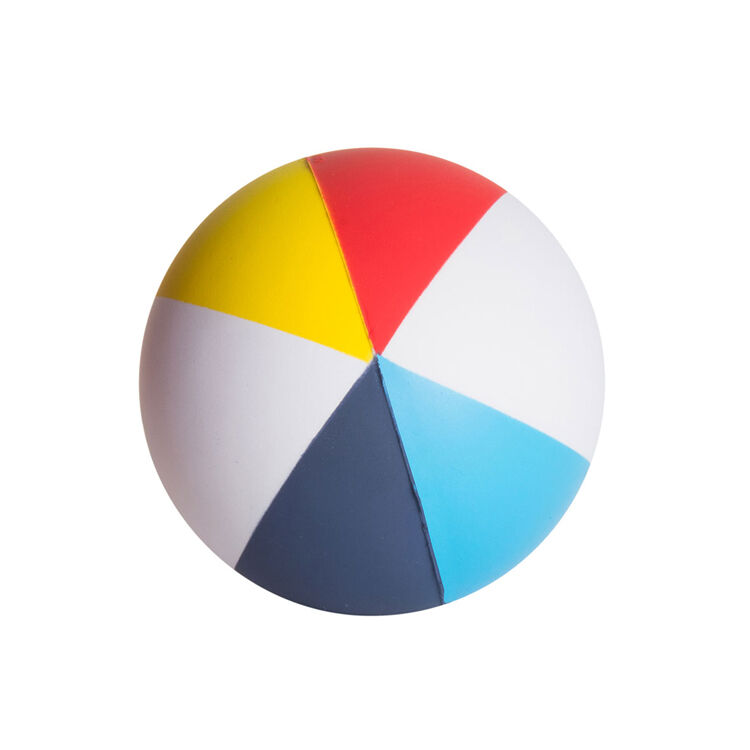
Le choix d’une taille optimale pour les balles anti-stress joue un rôle essentiel dans leur efficacité et le confort de l’utilisateur lors d’une utilisation prolongée au bureau. Les modèles ronds classiques mesurent généralement entre 2,5 et 3 pouces de diamètre, offrant une surface suffisante pour une prise en main complète tout en restant assez compacts pour un rangement discret sur le bureau. Une taille adaptée garantit que l’utilisateur peut entourer complètement la balle avec ses doigts, ce qui maximise l’activation musculaire et les bienfaits en termes de soulagement du stress.
Les considérations ergonomiques portent notamment sur la texture et la forme de la prise en main, qui varient afin de s’adapter à différentes tailles de main et à diverses forces de préhension. Certains balles anti-stress présentent des textures subtiles en surface, améliorant la rétroaction tactile sans devenir distrayantes pendant l’utilisation. La répartition du poids à l’intérieur des balles anti-stress de qualité doit rester équilibrée afin d’éviter la fatigue de l’utilisateur et d’assurer une résistance homogène à la compression sur toute la surface.
Élaborer des routines de gestion du stress
Mettre en place des pratiques quotidiennes efficaces
Instaurer des routines régulières d’utilisation de balles anti-stress exige une planification réfléchie et une formation progressive des habitudes, intégrée de façon fluide aux schémas de travail existants. Une mise en œuvre réussie commence par l’identification de moments déclencheurs spécifiques au cours de la journée, où le niveau d’anxiété augmente généralement, par exemple avant des appels téléphoniques importants ou pendant les tâches liées à des délais serrés. En utilisant de manière proactive des balles anti-stress lors de ces pics de stress prévisibles, les employés peuvent empêcher l’escalade de l’anxiété avant qu’elle ne devienne accablante.
Les pratiques quotidiennes efficaces consistent à programmer des intervalles réguliers pour les exercices avec une balle anti-stress, de façon similaire aux pauses programmées pour les étirements physiques ou le repos des yeux. De nombreux professionnels constatent qu’intégrer des séances de cinq minutes avec une balle anti-stress toutes les deux heures permet de maintenir des niveaux d’anxiété stables tout au long de la journée. Ces approches structurées empêchent l’accumulation du stress et créent des associations positives entre les activités d’auto-soin et la productivité au travail.
Association à d’autres stratégies de bien-être
Les bénéfices maximaux en matière de soulagement du stress sont obtenus lorsque les balles anti-stress sont intégrées à des stratégies globales de bien-être visant plusieurs aspects de l’anxiété liée au travail. Associer les exercices physiques avec une balle anti-stress à des techniques de respiration profonde renforce la réponse de détente et permet de développer des mécanismes d’adaptation plus efficaces. Des séquences de relaxation musculaire progressive intégrant une balle anti-stress peuvent aider les employés à améliorer leur conscience corporelle et leurs compétences en matière de détection des tensions.
Une intégration réussie du bien-être comprend également l’association de l’utilisation de balles anti-stress à des pratiques de pleine conscience, à de brèves séances de méditation ou à des exercices de visualisation positive. Cette approche holistique traite à la fois les composantes physiques et mentales du stress en milieu professionnel, permettant de créer des systèmes de gestion de l’anxiété plus résilients et plus adaptables. Une utilisation régulière de balles anti-stress peut servir de points d’ancrage pour des routines de bien-être plus larges, offrant des repères constants afin de préserver l’équilibre émotionnel tout au long des journées de travail exigeantes.
Mesurer le succès et les bénéfices à long terme
Suivi de la réduction de l’anxiété
Quantifier l'efficacité des balles anti-stress nécessite une observation et une mesure systématiques des symptômes liés à l'anxiété sur de longues périodes. Les employés peuvent tenir des journaux quotidiens simples, notant leur niveau de stress avant et après l'utilisation des balles anti-stress, et observant les tendances dans leurs réponses émotionnelles ainsi que dans le soulagement de la tension physique. Une documentation régulière permet d'identifier le moment et la fréquence optimaux d'utilisation, tout en fournissant des preuves concrètes d'une amélioration du bien-être général en milieu professionnel.
Des mesures objectives pourraient inclure la surveillance des variations de la fréquence cardiaque lors de situations stressantes, le suivi des améliorations de la qualité du sommeil ou l'observation des changements de concentration au cours de la journée de travail. De nombreux utilisateurs signalent une diminution de la fréquence des céphalées de tension et une meilleure stabilité émotionnelle après avoir intégré des séances régulières avec des balles anti-stress dans leur vie professionnelle. Ces résultats mesurables démontrent la valeur tangible d'outils simples de gestion du stress dans des environnements professionnels complexes.
Développement professionnel et amélioration des performances
Une utilisation prolongée de balles anti-stress est souvent associée à une amélioration des performances professionnelles et à des opportunités accrues de développement de carrière. Une réduction du niveau d’anxiété se traduit généralement par une meilleure capacité à prendre des décisions, une créativité accrue et des compétences renforcées en communication interpersonnelle. Les employés qui gèrent efficacement le stress au travail à l’aide d’outils tels que les balles anti-stress font fréquemment preuve d’une plus grande résilience face aux projets complexes et adoptent une attitude plus positive à l’égard de leur croissance professionnelle.
La confiance acquise grâce à une gestion efficace du stress peut conduire à une plus grande disposition à assumer des responsabilités de leadership et à saisir des opportunités d’avancement. De nombreux professionnels rapportent qu’une utilisation régulière de balles anti-stress les aide à conserver leur sang-froid lors de présentations à enjeux élevés et de négociations importantes. Ces améliorations de la performance se traduisent souvent par des avantages professionnels qui vont bien au-delà d’un simple soulagement immédiat de l’anxiété, créant ainsi des boucles de rétroaction positives qui renforcent la poursuite de pratiques favorables au bien-être.
FAQ
À quelle fréquence dois-je utiliser des balles anti-stress pendant ma journée de travail ?
La fréquence optimale d’utilisation des balles anti-stress dépend des schémas individuels d’anxiété et des exigences liées au travail, mais la plupart des professionnels tirent profit de séances de 5 à 10 minutes toutes les 2 à 3 heures. Pendant les périodes particulièrement stressantes, des exercices brefs de compression de 30 secondes peuvent apporter un soulagement immédiat sans perturber le flux de travail. Écoutez les signaux envoyés par votre corps et augmentez la fréquence d’utilisation dans les situations à forte pression, tout en conservant des intervalles réguliers pour une gestion préventive du stress.
Les balles anti-stress peuvent-elles aider à soulager les lésions liées aux contraintes répétitives ?
Bien que les balles anti-stress soient principalement conçues pour atténuer l’anxiété, elles peuvent offrir des bienfaits thérapeutiques dans le cas de symptômes légers liés aux contraintes répétitives, grâce à un engagement musculaire doux et à une amélioration de la circulation sanguine. Toutefois, les personnes souffrant déjà de lésions au poignet ou à la main doivent consulter un professionnel de santé avant d’intégrer les balles anti-stress à leur routine. Une utilisation correcte, avec des niveaux de pression adaptés, peut compléter d’autres mesures ergonomiques visant à préserver la santé de la main et du poignet.
Existe-t-il des techniques spécifiques pour maximiser l’efficacité des balles anti-stress
Les techniques efficaces d’utilisation des balles anti-stress consistent à alterner les mains toutes les quelques minutes, à varier l’intensité de la pression et à synchroniser les compressions avec des exercices de respiration profonde. Privilégiez des mouvements lents et contrôlés plutôt qu’une compression rapide ou brutale afin d’obtenir des bienfaits optimaux en matière de soulagement du stress. Associer la compression physique à des pratiques de pleine conscience ou à des affirmations positives peut renforcer globalement l’expérience de réduction de l’anxiété.
Comment entretenir et nettoyer mes balles anti-stress destinées à un usage de bureau
Un nettoyage régulier à l’aide d’un savon doux et d’eau tiède permet de maintenir les normes d’hygiène applicables aux balles anti-stress de bureau, notamment lorsqu’elles sont partagées entre plusieurs membres d’une équipe. Laissez-les sécher complètement à l’air libre avant de les ranger afin d’éviter la prolifération bactérienne ou la dégradation du matériau. Remplacez les balles anti-stress dès qu’elles présentent des fissures, une déformation permanente ou une usure de surface, afin de garantir leur efficacité continue et leur sécurité pendant l’utilisation.
Table des Matières
- Comprendre l’anxiété au travail et ses manifestations physiques
- Les fondements scientifiques de l'efficacité des balles anti-stress
- Applications pratiques en milieu de bureau
- Choisir la balle anti-stress adaptée à un usage de bureau
- Élaborer des routines de gestion du stress
- Mesurer le succès et les bénéfices à long terme
-
FAQ
- À quelle fréquence dois-je utiliser des balles anti-stress pendant ma journée de travail ?
- Les balles anti-stress peuvent-elles aider à soulager les lésions liées aux contraintes répétitives ?
- Existe-t-il des techniques spécifiques pour maximiser l’efficacité des balles anti-stress
- Comment entretenir et nettoyer mes balles anti-stress destinées à un usage de bureau