
 EN
EN



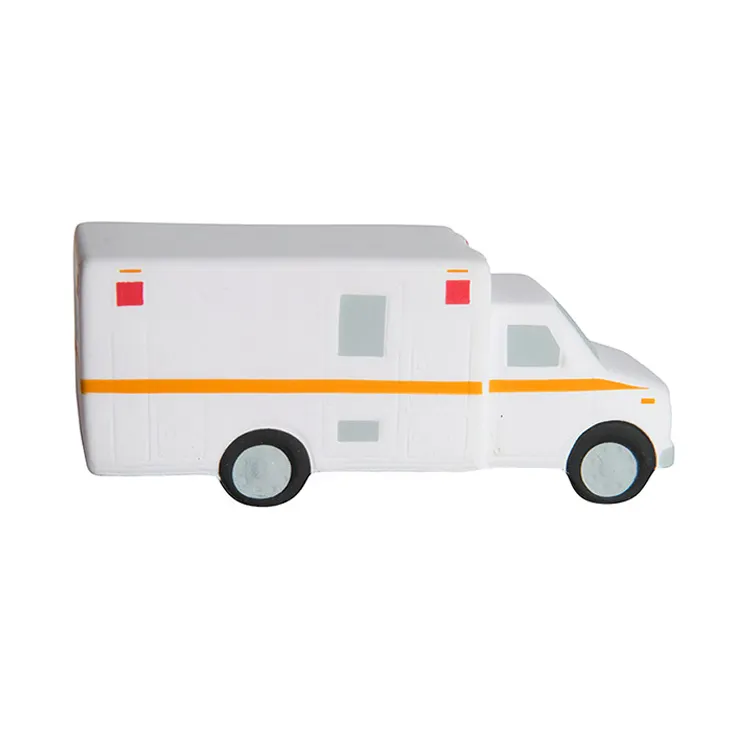
Die wêreldmark vir stresverligtingsprodukte het vinnig uitgebrei oor die afgelope dekade, en snaakse speelgoed het na vore gekom as een van die gewildste kategorieë onder kinders, tieners en selfs volwassenes wat taktille gerusstelling soek. Hierdie sagte, stadig-opswellende skuim- of gelgevulde items lyk op ‘n misleidende wyse eenvoudig, maar agter hul speelse buitekante lê ‘n ingewikkelde web van veiligheidsvoorskrifte, chemiese nakomingvereistes en meganiese toetsprotokolle. Dit is noodsaaklik dat vervaardigers, invoerders, kleinhandelaars en enigiemand wat knypspeletjies vir persoonlike of kommerciële gebruik koop, verstaan watter veiligheidsstandaarde hierdie produkte beheer.
Die veiligheidslandskap vir snaakse speelgoed word gevorm deur beide internasionale raamwerke en landspesifieke wetgewing, wat noukeurige nakoming 'n veelvlakkige uitdaging maak. Of 'n produk as 'n nuwigheid, 'n fidget-hulpmiddel of 'n kind se speelding bemark word, kan dit onder streng beheer val wat chemiese samestelling, fisiese duursaamheid, etikettering en ouderdomsgeskiktheid insluit. Hierdie artikel ontleed die sleutel-veiligheidsstandaarde wat op knyp-speeldinge van toepassing is en verduidelik wat elke vereiste in praktiese terme beteken vir dié wat dit vervaardig, versprei of koop.
Hoekom Veiligheidsstandaarde vir Knyp-speeldinge Belangrik Is
Die Gesondheids- en Ontwikkelingsrisiko's van Nie-nakomende Produkte
Squishy-speelgoed word hoofsaaklik vervaardig uit poliuretaan-skuim, termoplastiese rubber of geel-vulde materiale, en baie word met verf en kleurstowwe bedek om helder, aantreklike afwerking te bereik. Sonder behoorlike regulering kan hierdie materiale gevaarlike chemikalieë soos dimetielformamied (DMF), ftalate, formaldehied en swaar metaal bevat. Blootstelling aan hierdie stowwe, veral by kinders wat gereeld voorwerpe in hul monde sit, kan asemhalingsprobleme, velirritasie, allergiese reaksies en langtermyn ontwikkelingskade veroorsaak.
Studies wat deur Europese verbruikersveiligheidsowerhede uitgevoer is, het bevind dat 'n beduidende aantal getoetste squishy-speelgoed chemiese konsentrasies bevat wat ver bokant toelaatbare perke lê. Hierdie bevindinge het produkterugroepe en beleidshersienings in verskeie regstellings veroorsaak. Die risiko is nie teoreties nie — nie-konforme squishy-speelgoed het reeds tot gedokumenteerde gesondheidvoorvalle en grootskaalse marktrekkings gelei.
Veiligheidsstandaarde dien as 'n tegniese en wetlike versperring om eindgebruikers te beskerm. Hulle definieer die aanvaarbare drempels vir chemiese migrasie, die meganiese robuustheid wat vereis word om verstikkingsgevare te voorkom, en die dokumentasieverpligtinge wat owerhede in staat stel om probleemprodukte deur die voorsieningsketting na te speur. Vir enige besigheid wat handel dryf in knakspeletjies is noukeurige nakoming nie opsioneel nie — dit is 'n marktoegangsvereiste in die meeste gereguleerde ekonomieë.
Die regulerende doel agter speeldgoedveiligheidsraamwerke
Speeldgoedveiligheidsraamwerke is ontwerp met 'n dubbele doel: om verbruikersgesondheid te beskerm en 'n gelyke speelveld vir vervaardigers te vestig. Wanneer snaakse speelgoed markte soos die Europese Unie, die Verenigde State of Australië betree, moet hulle 'n gedefinieerde nakomingsroete volg voordat hulle wettig verkoop mag word. Hierdie roete sluit insluiting van konformiteitsbeoordelings, tegniese dokumentasie, derdeparty-toetsing in baie gevalle, en sigbare nakomingsmerke op die produk of verpakking in.
Die raamwerke onderskei ook tussen speelgoed wat vir verskillende ouderdomsgroepe bedoel is. 'n Sagte speelding wat aan kinders onder drie jaar verkoop word, moet aan aansienlik strenger vereistes voldoen as een wat aan volwassenes as 'n lessenaar-stresverligter verkoop word. Hierdie ouderdomsverskille-benadering weerspieël die ontwikkelingskwesbaarheid van jonger gebruikers en die hoër waarskynlikheid van mondgebruik en rowwe hantering by daardie demografiese groep.
Om hierdie regulêre doel te verstaan, help besighede om produkte te ontwerp wat vanaf die begin aan die standaarde voldoen, eerder as om nalewing ná die feit aan te pas. Voorskienende nalewing verminder die risiko van terugroepaksies, regstreekse strafmaatreëls en reputasieskade — almal kostelike steurings wat met die regte kennis en dissipline in produkontwikkeling vermy kan word.
Belangrikste Internasionale Veiligheidsstandaarde vir Sagte Speeldinge
Europese Unie: EN 71 en REACH-verordening
In die Europese Unie, snaakse speelgoed word hoofsaaklik beheer deur EN 71, die geharmoniseerde Europese speeldingveiligheidsstandaard. EN 71 is in verskeie dele verdeel, elk wat 'n spesifieke veiligheidsaspek behandel. EN 71-1 dek meganiese en fisiese eienskappe en vereis dat knyp-speeldinge nie skerp rande het nie, nie buitensporige styfheid toon wanneer hulle vervorm word nie, of komponente wat kan losmaak en 'n verstikkingsgevaar kan skep nie. EN 71-3 is veral relevant vir knyp-speeldinge omdat dit die migrasie van chemiese elemente beheer — en maksimum toelaatbare perke vir 19 chemiese elemente soos lood, kadmium, arseen en chroom spesifiseer.
EN 71-9 dek organiese chemiese verbindings en is sentraal tot die beoordeling van die skuimmaterial wat in die meeste knyp-speeldinge gebruik word. Hierdie afdeling stel perke vir stowwe soos formaldehied, benzeenafgeleides en sekere kleurstowwe wat deur velkontak of inslukking geabsorbeer kan word. Produkte wat nie aan die EN 71-9-toetse voldoen nie, mag nie wettig die CE-merk dra nie, wat verpligtend is vir speeldinge wat in die EU-mark verkoop word.
REACH (Registrasie, Evaluasie, Toestemming en Beperking van Chemikalieë) werk saam met EN 71 om spesifieke gevaarlike stowwe op ‘n breër materialevlak te beperk. Ftalaatverbindings, wat algemeen as plastiseerders in sagte speeldingmateriale gebruik word, is ‘n sleutelgebied van fokus onder REACH-bylae XVII. Squishy-speeldinge wat ftalaatverbindings in ‘n konsentrasie van meer as 0,1% per gewig in toeganklike plastiekkomponente bevat, is nie-nakomend. Invoerders en vervaardigers moet REACH-nakomendheidsevaluasies uitvoer as deel van hul pligige ondersoekprosesse.
Verenigde State: ASTM F963 en CPSC-voorskrifte
In die Verenigde State, snaakse speelgoed bestem vir kinders onder 14 jaar oud moet voldoen aan ASTM F963, die Standaardverbruikersveiligheidspesifikasie vir Speeldingveiligheid. Hierdie vrywillige maar wyd-aangeneemde standaard is deur verwysing in verpligtende federale regulasies ingevoer onder die Wet vir Verbetering van Verbruikergoedveiligheid (CPSIA). ASTM F963 dek ’n wye spektrum van gevare, insluitend meganiese, elektriese, termiese en chemiese risiko’s.
Die Kommissie vir Verbruikergoedveiligheid (CPSC) handhaaf streng beperkings op loodinhoud in oppervlakbedekkings (90 ppm) en substraatmateriale (100 ppm vir kindersprodukte). Vir knyp-speeldinge met geverfde of gedrukte buitekante beteken hierdie beperkings dat elke partjie kleurstowwe en bedekkings wat tydens produksie gebruik word, vir loodvryheid geverifieer moet word. Derdeparty-toetsing deur ’n CPSC-erkende laboratorium is verpligtend vir kindersprodukte, en ooreenkomsertifikate moet saam met versendings aangelewer word.
Daarbenewens geld ftalaatbeperkings onder CPSIA-artikel 108 op kinderspeelgoed en kinderopvoedingsartikels. Sekere ftalate is permanent verbied by konsentrasies bo 0,1% in toeganklike komponente. Die CPSC het hierdie lys reeds verskeie kere uitgebrei, en besighede wat handel dryf in sagte speelgoed moet hulself van regulêre opdaterings bewus bly om voortdurende nakoming te verseker. Nie-nakoming kan tot invoerverbeuring, burgerlike strafmaatreëls en verpligte terugroepaksies lei.
Australië en Nieu-Seeland: AS/NZS 8124
Australië en Nieu-Seeland reël snaakse speelgoed deur middel van die AS/NZS 8124-standaard, wat tegnies in lyn is met die ISO 8124-internasionale speelgoedveiligheidsreeks. Hierdie standaard dek fisiese en meganiese eienskappe (Deel 1), brandbaarheid (Deel 2) en chemiese eienskappe (Deel 3). Die chemiese toetsvereistes onder AS/NZS 8124-3 is nou verwant aan dié in EN 71-3, wat verseker dat chemiese migrasiegrense vir swaar metale konsekwent toegepas word oor hierdie markte.
Volgens die Australiese Verbruikerswet het verskaffers 'n verpligte verpligting om ernstige produkverwante beserings te rapporteer. Knusse speelgoed wat onredelike risiko's vertoon, kan onderworpe word aan verpligte terugroepaksies wat deur die Australiese Mededingings- en Verbruikerskommissie (ACCC) uitgereik word. Invoerders moet tegniese dokumentasie, insluitend toetsverslae van erkende laboratoriums, bewaar om noukeurige nakoming te demonstreer indien hulle deur owerhede uitgedaag word.
Chemiese Veiligheid: Die Mees Kritieke Nakomingsgebied
Dimetilformamied en Skumafgasingskwessies
Een van die ernstigste chemiese veiligheidskwessies wat spesifiek is vir snaakse speelgoed betrek dimetilformamied (DMF), 'n oplosmiddelresidu wat in poliuretaanskum na vervaardiging kan bly. DMF word geklassifiseer as 'n voortplantingstoksien en 'n velgevoeligheidsverwekker, en sy teenwoordigheid in knusse speelgoed het groot handhawingsaksies in die EU veroorsaak, insluitend 'n omvattende verbod onder REACH-bylae XVII wat DMF in artikels wat bedoel is om met die vel in aanraking te kom, beperk tot bo 10 mg/kg.
Baie klitsig speelgoed word vervaardig met behulp van oopsel poliuretaan skuim wat bekend is dat dit mettertyd vluchtige organiese verbindings (VOC's) uit gasse vrystel. Hierdie emissies kan irritasie aan die oë, neus en keel veroorsaak en kan langdurige gevolge hê as hulle herhaaldelik blootgestel word. Verantwoordelike vervaardigers gebruik skuimformulerings wat voldoen aan streng VOC-emissie standaarde en voer kamerteëlingstoetse uit om ooreenstemming voor versending te verifieer.
Vir kopers en invoerders van snaakse speelgoed , is die versoek na chemiese toetsverslae wat spesifiek DMF-ondersoek en VOC-emissiedata insluit, 'n noodsaaklike plig van sorgstelling. Hierdie verslae moet deur geakkrediteerde derdeparty-toetslaboratoriums uitgereik word en moet verwys na die spesifieke regulêre limiete wat van toepassing is in die teikenmark. Sonder hierdie dokumentasie kan die chemiese veiligheid van die produk nie betroubaar vasgestel word nie.
Kleurstowwe, Verf en Oppervlakbedekkingsnakoming
Die lewende kleure wat maak snaakse speelgoed visueel aantreklikheid word bereik deur kleurstowwe, pigmente en oppervlakbedekkings. Hierdie materiale moet voldoen aan die grense vir swaar metaal-migrasie, beperkings op azo-kleurstowwe wat karsinogene aromatiese amine kan vrystel, en grense vir spesifieke kleurstowwe wat as sensibiliseerders geklassifiseer word. EN 71-3 en ASTM F963 stel beide migrasiegrense vas vir elemente soos antimonium, barium, selenium en tin, asook die primêre bekommernisse van lood en kadmium.
Beperkings op azo-kleurstowwe onder REACH-bylae XVII geld vir tekstiel- en leerkomponente, maar ook vir oppervlakbedekkings in sekere toepassings. Vervaardigers wat knusse speelgoed met stofdekking of tekstielkomponente produseer, moet verseker dat hul kleurstowwe nie verbode amine vrystel tydens redusiewe splitsing nie. Toetsing vir hierdie stowwe vereis spesifieke analitiese metodes, insluitend EN ISO 17234 of EN ISO 14362, afhangende van die tipe materiaal.
Geskikte beheer van die voorsieningsketting — insluitend materiaalverklarings van skuimverskaffers, kleurstofverskaffers en bedekkingsaanwenders — is noodsaaklik om chemiese nakoming oor die hele produk te handhaaf. 'n Enkele nie-nakomende insetmateriaal kan die hele eindproduk nie-nakomend maak, wat die rede is hoekom proaktiewe verskafferkwalifikasie en toetsing van inkomende materiale standaardpraktyk is onder verantwoordelike vervaardigers van knusse speelgoed.
Fisiese en Meganiese Veiligheidsvereistes
Byt-, Skeur- en Uitrektoetsing
Snaakse speelgoed is spesifiek ontwerp om geboei, uitgerek en vervorm te word, wat beteken dat hul meganiese integriteit onder toestande moet word beoordeel wat realistiese gebruik naboots. EN 71-1 en ASTM F963 sluit beide byttoetse en misbruiktoetse in wat ontwerp is om te evalueer of 'n produk tydens normale gebruik of voorsienbare misbruik sal breek en of die resulterende fragmente of komponente 'n verstikkings- of snygevaar skep.
Die byttoets pas 'n krag van 100 N toe deur 'n gestandaardiseerde bytvesel om die krag wat 'n kind mag uitoefen wanneer hy of sy 'n speelding byt, te simuleer. Indien die sagte speelding onder hierdie toets breek en 'n fragment vorm wat heeltemal binne-in die klein-deeltjies-silinder pas (‘n toestel wat die keelgrootte van ‘n kind onder drie jaar benader), misluk die produk en moet dit herontwerp word of gepas ouderdomsgelabel word. Hierdie toetsing verseker dat sagte speeldinge nie 'n verstikkingsgevaar vir kinders onder die bemarkte ouderdomsreeks is nie.
Uitrek- en trektoetse evalueer of bedekkings, oë of versierende elemente wat op sagte speeldinge aangebring is, onder spanning losmaak. Versierende eienskappe wat van die liggaam van 'n sagte speelding afskei, kan onafhanklike klein dele of skerp randige fragmente word. Toetsprotokolle spesifiseer minimum kragdrempels wat hierdie elemente moet weerstaan, en produkte wat nie aan hierdie vereistes voldoen nie, word óf afgekeur óf moet gepas ouderdomsbeperkings-etikette hê om jonger gebruikers uit te sluit.
Verpakkings-, etiketterings- en ouderdommerkvereistes
Benewens die produk self moet die verpakking en etikettering van snaakse speelgoed in die meeste gereelde markte spesifieke vereistes bevredig. In die EU moet speelgoed die CE-merk dra tesame met die naam en adres van die verantwoordelike vervaardiger of invoerder, die produkidentifikasienommer en enige toepaslike waarskuwingssimbole. Speelgoed wat nie geskik is vir kinders onder 36 maande nie, moet die gestandaardiseerde ouderdomsbeperkingsimbool opvallend op die verpakking vertoon.
In die VSA vereis ASTM F963 dat speelgoed met klein dele vir kinders onder drie 'n spesifieke versmooringsgevaarwaarskuwing moet dra. Sagtjie-speelgoed wat moontlik tydens redelikerwys voorsienbare gebruik in klein dele kan losmaak, moet hierdie waarskuwing dra. Die afwesigheid van vereiste etikettering is self 'n nalewingsoortreding en kan tot handhawingsaksie lei, onafhanglik van of die produk self fisies gevaarlik is of nie.
Taalvereistes vir waarskuwings en instruksies wissel ook na gelang van die mark. EU-lidstate mag nasionale taalweergawes van veiligheidswaarskuwings vereis, terwyl sekere markte in Asië en Suid-Amerika hul eie etiketteringsvereistes het. Uitvoerders van knypspeletjies wat oor verskeie markte werk, moet verpakkingsstrategieë ontwikkel wat hierdie verskillende vereistes akkommodeer sonder dat heeltemal afsonderlike vervaardigingslote vir elke bestemmingsmark benodig word.
VEE
Is knypspeletjies onderhewig aan speeldingveiligheidsreëls selfs wanneer dit as volwasse-stresverligtingsprodukte verkoop word?
In die meeste regstellings hang die klassifikasie van 'n produk as 'n speelding af van hoe dit bemark word en vir wie dit bemark word. Indien knyp-speeldinge duidelik uitsluitlik vir volwassenes bemark word — met toepaslike etikettering en sonder kind-gerigte beelde — kan hulle in sommige markte buite die toepassingsgebied van speelding-veiligheidsreëls val. Egter, beperkings op chemiese stowwe onder raamwerke soos REACH geld steeds vir alle verbruikersprodukte, ongeag ouderdomsdoelwitte. In praktyk evalueer baie regulerende liggame die redelikerwys voorsienbare gebruik van die produk, wat gebruik deur kinders kan insluit, ongeag die aangegee doelgroep; vervaardigers en invoerders moet dus regsduidelikheid soek voordat hulle aanneem dat produkte wat op volwassenes gerig is, van veiligheidsstandaarde vrygestel is.
Hoe dikwels moet nougesette toetsing vir knyp-speeldinge herhaal word?
Daar is geen universeel voorgeskryfde her-toetseringsfrekwensie nie, maar die bedryfspraktyk van beste praktyk en beginsels van risikobestuur stel voor dat knusse speeldinge her-toets moet word wanneer daar 'n verandering in materiaalverskaffer, samestelling, vervaardigingsfasiliteit of beduidende vervaardigingsvolume is. Regulerende standaarde kan ook opgedateer word, en nalewing wat onder 'n vorige weergawe van 'n standaard bereik is, mag nie toereikend wees onder 'n nuwer weergawe nie. Jaarlikse her-toetsing is 'n algemene basispraktyk onder ernstige vervaardigers, en baie kleinhandelaars vereis op datum-toetsverslae as deel van hul verskafferkwalifikasieproses.
Wat bevestig die CE-merk op knusse speeldinge werklik?
Die CE-merk op knakbare speelgoed dui daarop dat die vervaardiger of gevolmagtigde verteenwoordiger verklaar dat die produk aan die toepaslike EU- riglyne en geharmoniseerde standaarde voldoen, insluitend die Speelgoedveiligheidsriglyn 2009/48/EG en die relevante dele van EN 71. Die CE-merk is in die meeste gevalle ’n selfverklaring, maar vir speelgoed wat spesifieke risiko’s inhou — soos chemiese risiko’s of geraasgevaar — kan die betrokkenheid van ’n Aangewese Liggaam as derdeparty vereis word. Dit is belangrik om te verstaan dat die CE-merk ’n konformiteitsverklaring is, nie ’n regeringsertifikasie nie. Die vervaardiger dra die wetlike verantwoordelikheid om te verseker dat die produk werklik aan die standaarde wat in die Verklaring van Konformiteit wat saam met die CE-merk verskaf word, voldoen.
Kan knakbare speelgoed veiligheidsstandaarde misluk as gevolg van verpakking alleen?
Ja. Verpakking word in die meeste groot markte as deel van die algemene produk-nakomingbeeld beskou. Ontbrekende of verkeerde waarskuwingsetikette, afwesige ouderdomsbeperkingsmerke, nie-insluiting van die verantwoordelike party se kontakbesonderhede nie, of verpakkingsmateriaal wat self 'n verstikkings- of chemiese gevaar verteenwoordig, kan tot 'n nakomingmislukking lei. Reguleerders wat marktoesiginspeksies uitvoer, toets gewoonlik etikettering en verpakkingsnakoming as die eerste vlak van assessering voordat hulle oorgaan na fisiese en chemiese toetsing van die produk self. Knusse speeldinge met tegnies korrekte fisiese en chemiese eienskappe kan steeds van die verkoop verwyder word indien hul verpakking nie aan die wettige etiketteringsvereistes voldoen nie.
Tabel van inhoud
- Hoekom Veiligheidsstandaarde vir Knyp-speeldinge Belangrik Is
- Belangrikste Internasionale Veiligheidsstandaarde vir Sagte Speeldinge
- Chemiese Veiligheid: Die Mees Kritieke Nakomingsgebied
- Fisiese en Meganiese Veiligheidsvereistes
-
VEE
- Is knypspeletjies onderhewig aan speeldingveiligheidsreëls selfs wanneer dit as volwasse-stresverligtingsprodukte verkoop word?
- Hoe dikwels moet nougesette toetsing vir knyp-speeldinge herhaal word?
- Wat bevestig die CE-merk op knusse speeldinge werklik?
- Kan knakbare speelgoed veiligheidsstandaarde misluk as gevolg van verpakking alleen?