
 EN
EN




Physical therapy has evolved significantly over the years, incorporating various tools and techniques to enhance patient outcomes. Among the innovative approaches gaining recognition is the integration of stress relievers toys into therapeutic protocols. These seemingly simple devices offer more than just momentary relaxation, providing tangible benefits for patients recovering from injuries, managing chronic conditions, or seeking to improve their overall physical well-being. The intersection of stress relief and physical rehabilitation presents exciting opportunities for healthcare professionals and patients alike.
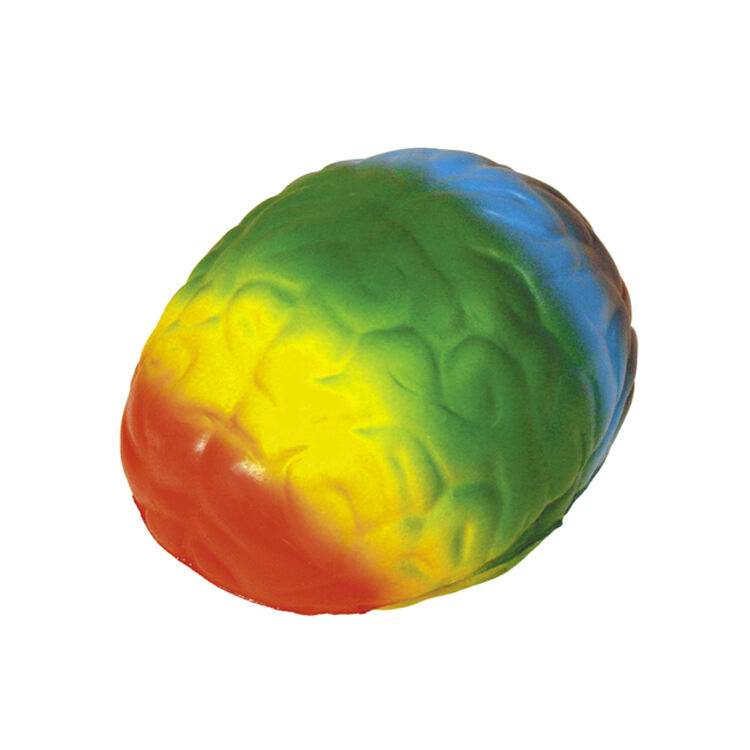
Understanding the Therapeutic Potential of Stress Relief Tools
The Science Behind Stress and Physical Recovery
Stress significantly impacts the body's ability to heal and recover from physical ailments. When patients experience high levels of stress, their bodies produce elevated cortisol levels, which can impede the healing process and increase inflammation. Stress relievers toys work by engaging the nervous system in a way that promotes relaxation and reduces these harmful stress responses. The tactile stimulation provided by these tools activates specific neural pathways that can help regulate the autonomic nervous system, creating an environment more conducive to healing.
Research has shown that the repetitive motions involved in using stress relief tools can trigger the release of endorphins, the body's natural pain-relieving chemicals. This neurochemical response not only helps manage discomfort during physical therapy sessions but also contributes to improved mood and motivation. The psychological benefits of using stress relievers toys extend beyond immediate relief, fostering a positive mindset that is crucial for successful rehabilitation outcomes.
Mechanisms of Action in Physical Therapy Settings
The therapeutic mechanisms of stress relievers toys in physical therapy operate on multiple levels. Primarily, these tools provide proprioceptive feedback, helping patients develop better awareness of their body position and movement patterns. This enhanced proprioception is particularly valuable for individuals recovering from neurological injuries or those dealing with balance and coordination issues. The varying textures and resistance levels of different stress relief tools can be strategically selected to target specific therapeutic goals.
Additionally, the cognitive distraction provided by stress relievers toys can be instrumental in pain management strategies. By engaging patients in focused tactile activities, these tools can help redirect attention away from discomfort, making physical therapy exercises more tolerable. This distraction technique is especially beneficial for patients who experience anxiety or apprehension about their treatment sessions, creating a more positive therapeutic environment.
Clinical Applications and Treatment Integration
Hand and Upper Extremity Rehabilitation
One of the most prominent applications of stress relievers toys in physical therapy involves hand and upper extremity rehabilitation. Patients recovering from stroke, traumatic brain injury, or orthopedic surgeries often struggle with grip strength, finger dexterity, and fine motor control. Specialized stress relief tools designed with varying resistance levels can provide graduated therapeutic exercises that progressively challenge these motor skills while maintaining patient engagement.
The repetitive squeezing and manipulation actions required when using these tools help strengthen intrinsic hand muscles and improve coordination between fingers. Physical therapists can prescribe specific patterns of use, incorporating stress relievers toys into structured exercise programs that target particular muscle groups or movement patterns. This approach allows for quantifiable progress tracking while providing patients with enjoyable and motivating activities that they can continue at home.
Neurological Rehabilitation and Sensory Processing
Patients with neurological conditions such as multiple sclerosis, Parkinson's disease, or peripheral neuropathy often benefit from the sensory stimulation provided by stress relievers toys. These conditions frequently involve altered sensory processing or diminished tactile sensitivity, making traditional rehabilitation exercises challenging or less effective. The varied textures and feedback mechanisms of stress relief tools can help retrain the nervous system and improve sensory discrimination abilities.
In neurological rehabilitation settings, therapists utilize stress relievers toys as part of comprehensive sensory integration protocols. The controlled stimulation these tools provide can help normalize hypersensitive responses while simultaneously activating underresponsive sensory pathways. This dual benefit makes them particularly valuable for patients with complex neurological presentations who require individualized treatment approaches.
Specific Benefits for Different Patient Populations
Pediatric Physical Therapy Applications
Children receiving physical therapy often struggle with compliance and motivation during treatment sessions. Stress relievers toys offer an engaging solution that transforms potentially tedious exercises into enjoyable activities. Pediatric patients with developmental delays, cerebral palsy, or other motor impairments can benefit significantly from the playful nature of these therapeutic tools while still receiving targeted intervention for their specific needs.
The colorful and appealing designs of many stress relief tools naturally attract children's attention, making them more willing to participate in therapy sessions. Parents and caregivers can easily incorporate these tools into home exercise programs, extending therapeutic benefits beyond clinical visits. The portability and durability of stress relievers toys make them ideal for maintaining consistency in treatment protocols across different environments and settings.
Geriatric Rehabilitation and Aging Concerns
Older adults participating in physical therapy face unique challenges related to age-related changes in cognition, motivation, and physical capacity. Stress relievers toys can address several of these concerns simultaneously by providing cognitive stimulation, emotional comfort, and physical exercise in a non-threatening format. The familiar and non-intimidating nature of these tools can help reduce anxiety and resistance commonly experienced by elderly patients in clinical settings.
For geriatric patients dealing with arthritis, joint stiffness, or general deconditioning, gentle manipulation of stress relief tools can provide valuable exercise without overwhelming their systems. The low-impact nature of these activities makes them suitable for individuals with multiple comorbidities or those who are generally frail. Regular use of stress relievers toys can help maintain hand strength and dexterity, which are crucial for maintaining independence in activities of daily living.
Implementation Strategies and Best Practices
Assessment and Tool Selection Protocols
Successful integration of stress relievers toys into physical therapy requires careful assessment and appropriate tool selection. Physical therapists must evaluate each patient's specific needs, functional limitations, and therapeutic goals before recommending particular stress relief tools. Factors such as grip strength, cognitive ability, sensory preferences, and motivation levels all influence the selection process and determine which tools will be most beneficial for individual patients.
The assessment process should include evaluation of baseline measurements for relevant functional outcomes, such as grip strength, range of motion, pain levels, and stress indicators. This data provides a foundation for tracking progress and adjusting treatment protocols as needed. Regular reassessment ensures that the chosen stress relievers toys continue to provide appropriate therapeutic challenge and remain aligned with evolving patient needs throughout the rehabilitation process.
Treatment Planning and Progression Strategies
Effective use of stress relievers toys in physical therapy requires structured treatment planning that incorporates these tools as integral components of comprehensive rehabilitation programs. Therapists should establish clear objectives for each session and develop progression strategies that gradually increase complexity or resistance as patients improve. Documentation of specific exercises, duration of use, and patient responses helps ensure consistency and enables other healthcare providers to continue appropriate treatment.
The integration of stress relief tools should complement rather than replace traditional physical therapy interventions. By combining these innovative approaches with established techniques, therapists can create more engaging and effective treatment experiences. Regular communication with patients about their experiences and preferences helps optimize the therapeutic value of stress relievers toys and ensures that treatment remains patient-centered and motivating.
Evidence-Based Outcomes and Research Findings
Clinical Studies and Effectiveness Measures
Growing research evidence supports the therapeutic value of stress relievers toys in various physical therapy applications. Clinical studies have demonstrated measurable improvements in grip strength, fine motor control, and overall hand function among patients who incorporated these tools into their rehabilitation programs. Additionally, research has shown significant reductions in reported pain levels and anxiety scores among participants who used stress relief tools during their treatment sessions.
Long-term follow-up studies indicate that patients who continue using stress relievers toys as part of their home exercise programs maintain better functional outcomes compared to those who discontinue their use. These findings suggest that the benefits of stress relief tools extend beyond immediate therapeutic sessions and contribute to sustained improvement in physical function and overall well-being. The cost-effectiveness of these interventions makes them attractive options for healthcare systems seeking efficient and impactful treatment modalities.
Comparative Analysis with Traditional Methods
When compared to traditional physical therapy approaches alone, programs that incorporate stress relievers toys show enhanced patient satisfaction rates and improved adherence to treatment protocols. Patients report greater enjoyment of their therapy sessions and increased confidence in their ability to manage their conditions independently. These psychological benefits translate into better physical outcomes and reduced healthcare utilization over time.
Comparative studies also reveal that the addition of stress relief tools to conventional therapy programs can accelerate the achievement of functional milestones without increasing treatment time or cost. This efficiency gain makes the integration of stress relievers toys particularly valuable in current healthcare environments where pressure to demonstrate rapid, cost-effective outcomes continues to intensify.
Safety Considerations and Contraindications
Risk Assessment and Precautionary Measures
While stress relievers toys are generally safe for most patients, proper risk assessment remains essential for responsible clinical practice. Physical therapists must consider factors such as latex allergies, choking hazards for patients with cognitive impairments, and potential skin sensitivities when selecting appropriate tools. Patients with open wounds or acute inflammatory conditions may require modified approaches or alternative interventions until their conditions stabilize.
Regular inspection of stress relief tools for signs of wear, damage, or contamination helps prevent potential safety issues and ensures optimal therapeutic benefit. Establishing clear hygiene protocols for shared tools and providing patients with personal devices when appropriate reduces infection risks and promotes better overall health outcomes. Education of patients and caregivers about proper use and maintenance of stress relievers toys supports safe and effective implementation of home-based programs.
Monitoring and Adjustment Protocols
Continuous monitoring of patient responses to stress relief interventions allows for timely adjustments and prevents potential complications. Therapists should watch for signs of overuse, excessive fatigue, or adverse reactions that might indicate the need for modified treatment approaches. Regular communication with patients about their experiences helps identify subtle issues that might not be immediately apparent during clinical observations.
Documentation of any adverse events or unexpected responses contributes to the growing knowledge base about the safe and effective use of stress relievers toys in physical therapy settings. This information helps inform future treatment decisions and supports the development of evidence-based guidelines for incorporating these tools into various rehabilitation protocols.
Future Directions and Innovations
Technological Advancements and Smart Integration
The future of stress relievers toys in physical therapy holds exciting possibilities as technology continues to advance. Smart stress relief devices equipped with sensors can provide real-time feedback about grip strength, usage patterns, and progress metrics, enabling more precise monitoring and adjustment of treatment protocols. These technological enhancements could revolutionize how therapists track patient progress and optimize intervention strategies.
Integration with mobile applications and telemedicine platforms could extend the reach of physical therapy services and improve access to care for patients in remote or underserved areas. Remote monitoring capabilities would allow therapists to provide guidance and support for home-based programs while maintaining the personal connection essential for successful rehabilitation outcomes. The combination of traditional therapeutic principles with modern technology represents a promising direction for the continued evolution of physical therapy practice.
Research Opportunities and Clinical Applications
Ongoing research into the mechanisms of action and optimal applications of stress relievers toys in physical therapy continues to expand our understanding of their therapeutic potential. Future studies may explore the use of these tools in emerging areas such as chronic pain management, post-surgical recovery, and preventive health interventions. The versatility and accessibility of stress relief tools make them suitable for investigation across diverse patient populations and clinical settings.
Collaborative research efforts between healthcare providers, device manufacturers, and academic institutions could accelerate the development of evidence-based protocols and specialized tools designed for specific therapeutic applications. This multidisciplinary approach would ensure that future innovations remain grounded in clinical need while pushing the boundaries of what is possible in rehabilitation medicine.
FAQ
Are stress relievers toys safe for all physical therapy patients?
While stress relievers toys are generally safe for most patients, proper assessment by a qualified physical therapist is essential. Patients with latex allergies, cognitive impairments that might pose choking risks, or acute inflammatory conditions may require modified approaches or alternative interventions. Always consult with your healthcare provider before incorporating any new tools into your rehabilitation program.
How often should patients use stress relievers toys during physical therapy?
The frequency of use depends on individual patient needs, therapeutic goals, and overall treatment plans. Most physical therapists recommend integrating stress relief tools into daily exercise routines, with specific duration and intensity based on each patient's functional capacity and progress. Overuse should be avoided, and any signs of fatigue or discomfort should prompt immediate consultation with the treating therapist.
Can stress relievers toys replace traditional physical therapy exercises?
Stress relievers toys are best used as complementary tools rather than replacements for traditional physical therapy interventions. They enhance conventional treatment approaches by providing additional sensory input, motivation, and opportunities for home-based practice. A comprehensive rehabilitation program typically combines multiple therapeutic modalities to address all aspects of patient recovery and functional improvement.
What types of conditions benefit most from stress relief tools in physical therapy?
Conditions that commonly benefit from stress relievers toys include stroke recovery, hand and upper extremity injuries, neurological disorders affecting fine motor control, arthritis, and anxiety-related movement disorders. Pediatric patients with developmental delays and elderly individuals seeking to maintain functional independence also show positive responses to these therapeutic tools when properly integrated into their treatment programs.
Table of Contents
- Understanding the Therapeutic Potential of Stress Relief Tools
- Clinical Applications and Treatment Integration
- Specific Benefits for Different Patient Populations
- Implementation Strategies and Best Practices
- Evidence-Based Outcomes and Research Findings
- Safety Considerations and Contraindications
- Future Directions and Innovations
-
FAQ
- Are stress relievers toys safe for all physical therapy patients?
- How often should patients use stress relievers toys during physical therapy?
- Can stress relievers toys replace traditional physical therapy exercises?
- What types of conditions benefit most from stress relief tools in physical therapy?