
 EN
EN



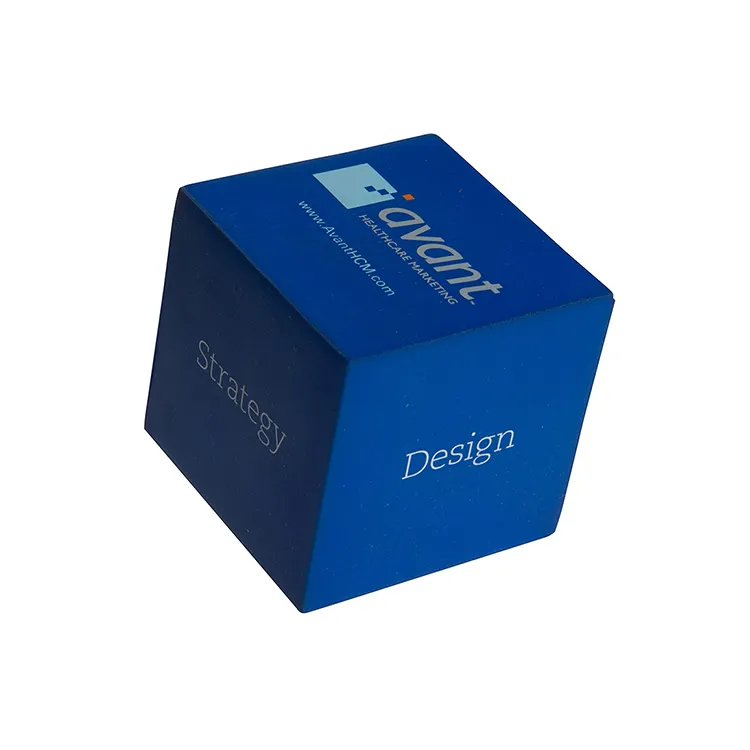
In today's fast-paced world, finding effective ways to unwind and recover from physical and mental strain has become a genuine priority for many people. memory foam products have emerged as a scientifically grounded solution that bridges comfort, therapeutic benefit, and everyday practicality. Whether used in the form of supportive cushions, ergonomic pillows, or tactile stress-relief tools, memory foam offers a uniquely adaptive material experience that responds directly to the body's shape, weight, and temperature.
Understanding how memory foam supports relaxation and recovery requires a closer look at the material's physical properties, its interaction with the human body, and the range of applications it enables. From easing muscle tension after a long workday to serving as a tactile outlet for stress and anxiety, memory foam products occupy a meaningful space in the broader wellness landscape. This article explores the mechanisms behind memory foam's restorative qualities and how different product formats deliver genuine relief to both body and mind.
The Science Behind Memory Foam and Its Restorative Properties
How Memory Foam Responds to the Body
Memory foam is a viscoelastic polyurethane material, which means it combines two critical physical characteristics: viscosity and elasticity. When pressure is applied, the material slowly deforms to conform to the exact contours of whatever is pressing into it. When the pressure is released, it gradually returns to its original shape. This behavior is what sets memory foam apart from conventional foam or rubber materials.
The viscous quality of memory foam ensures that it distributes pressure evenly across its surface rather than concentrating stress at a single point. For the human body, this translates into reduced pressure on joints, muscles, and soft tissue. Whether you are resting your head on a memory foam pillow or squeezing a compact memory foam stress cube, the material works in harmony with your body's natural mechanics rather than resisting them.
The elasticity component ensures that memory foam products maintain their shape and structural integrity over repeated use. This durability is important for recovery-focused applications, where consistent, predictable support is essential rather than optional. Over time, this consistency helps reinforce healthier physical habits and reliable stress-relief routines.
Temperature Sensitivity and Enhanced Comfort
One of the most distinctive features of memory foam is its sensitivity to temperature. The material softens in response to body heat, which allows it to mold more intimately and precisely to the user's unique form. This thermodynamic response is not merely a comfort luxury — it plays an active role in how the material supports relaxation by eliminating the micro-adjustments people unconsciously make when resting on a less adaptive surface.
When the body does not need to constantly shift or reposition itself to find comfort, the nervous system can enter a more relaxed state. Reduced physical tension is directly linked to reduced cortisol levels, which means that the passive comfort delivered by memory foam can have measurable effects on overall stress response. This is a key mechanism through which memory foam products contribute to genuine relaxation rather than merely providing surface-level softness.
In compact forms such as memory foam stress-relief cubes or squeeze toys, the tactile warmth response is experienced in the hands and fingertips, areas of the body with a high concentration of nerve endings. The satisfying sensation of memory foam slowly rebounding under the fingers can activate sensory pathways associated with calm and focus, making these small products surprisingly effective tools for managing workplace or daily stress.
Memory Foam Products as Tools for Stress Relief
Tactile Stimulation and Anxiety Management
Tactile stimulation — the engagement of the sense of touch — has long been recognized in behavioral and occupational therapy as a meaningful method for reducing anxiety and improving focus. Memory foam products lend themselves exceptionally well to this therapeutic principle because of their distinctive squeeze-and-rebound behavior. Holding and manipulating a memory foam object gives the hands purposeful sensory input, which can redirect nervous energy away from anxious thought patterns.
In office environments, educational settings, and high-pressure professional contexts, compact memory foam items such as stress cubes or anti-stress balls have grown in popularity precisely because they offer a discreet and socially acceptable outlet for tension. Unlike louder or more obtrusive fidget tools, memory foam products operate silently and can be used during meetings, study sessions, or any situation that demands focus while managing internal stress.
The repetitive motion of squeezing and releasing memory foam also engages a mild form of rhythmic self-soothing behavior, which is well-documented in psychological literature as a technique for grounding oneself during moments of acute stress or emotional overwhelm. The soft, consistent resistance of memory foam makes it ideal for this purpose — firm enough to engage the hand muscles meaningfully, yet gentle enough to avoid fatigue even during extended use.
The Role of Physical Engagement in Mental Relaxation
There is a well-established connection between physical engagement and mental decompression. When the body is given a simple, non-demanding physical task, the mind is freed from the cycle of rumination that characterizes stress and anxiety. Memory foam products — particularly handheld formats designed for active squeezing and manipulation — facilitate exactly this kind of gentle physical engagement.
This principle is especially relevant in B2B contexts, such as corporate wellness programs, employee engagement initiatives, and branded promotional health tools. Organizations that provide their teams with memory foam stress-relief products are acknowledging the real cognitive and emotional toll of modern work demands, and offering a practical, science-backed response. The investment in such products tends to reflect positively on workplace culture and employee perception of company care.
Even brief interactions with memory foam objects — a few minutes of squeezing during a break or while on a phone call — can introduce measurable relief into an otherwise tension-filled day. The cumulative effect of these small moments of physical decompression can significantly influence overall mood, productivity, and emotional resilience over time.
Physical Recovery and the Role of Memory Foam Support
Pressure Relief for Muscles and Joints
Physical recovery, whether from exercise, repetitive strain, or the general fatigue of sustained effort, benefits enormously from pressure distribution and supportive rest. Memory foam excels in this area because its conforming behavior removes the concentrated pressure points that conventional support materials tend to create. When muscles and joints are relieved of localized pressure during rest, blood circulation improves, inflammation decreases, and the body's natural recovery processes accelerate.
For individuals engaged in physically demanding roles or regular athletic activity, memory foam products positioned strategically — under key pressure points or in areas prone to fatigue — can meaningfully shorten recovery time between sessions. The material's ability to maintain conforming contact without rigid resistance ensures that surrounding tissues are supported rather than compressed, which is the critical distinction between passive rest and genuinely restorative recovery.
Even in sedentary professional contexts, the physical fatigue associated with prolonged sitting, repetitive hand movements, or constant screen engagement is real and cumulative. Memory foam hand tools and palm-fitting products offer an accessible form of micro-recovery that can be incorporated into the workday without requiring dedicated downtime, making them highly practical for modern professional lifestyles.
Supporting Recovery Through Consistent Sensory Routine
Recovery — whether physical or psychological — benefits significantly from routine. The body and mind respond well to predictable, positive stimuli that signal transition from active states to restful ones. Memory foam products, used consistently as part of a decompression or recovery ritual, can become reliable anchors in such routines.
The distinctive tactile quality of memory foam creates a sensory signature that is easy to associate with intentional rest and relief. Over repeated use, the act of reaching for a memory foam object can itself begin to trigger a relaxation response, similar to how familiar music or scent can shift mood through conditioned association. This is the power of sensory routine, and memory foam is particularly well-suited to becoming a consistent part of it.
For businesses and wellness practitioners looking to support their clients or employees with practical recovery tools, the combination of memory foam's physical properties and its potential as a behavioral anchor makes it a compelling choice. It is a product category that operates effectively on both the physiological and psychological dimensions of recovery simultaneously.
Selecting the Right Memory Foam Product for Relaxation Goals
Matching Product Format to Intended Use
Not all memory foam products serve the same purpose, and selecting the right format is important for maximizing relaxation and recovery outcomes. Larger memory foam products such as mattress toppers or seat cushions are designed for prolonged passive support, where the body rests in contact with the material over extended periods. These formats prioritize ergonomic alignment and sustained pressure relief.
Smaller, handheld memory foam products such as stress cubes and anti-stress balls are engineered for active engagement and tactile therapy. Their compact size and purposeful geometry — cube shapes, textured surfaces, and grip-friendly forms — are designed to make squeezing and manipulation both satisfying and effortless. These products are particularly well-suited for desk use, travel, or any situation where a portable stress-relief tool is needed.
Understanding this distinction helps buyers, wellness coordinators, and procurement managers make more intentional choices. A memory foam stress cube is not simply a decorative novelty — it is a functional tool whose design reflects a specific therapeutic intent. Treating it as such, and selecting it based on the context and frequency of use it will serve, ensures that the product delivers real value rather than sitting unused in a drawer.
Quality Indicators and Material Considerations
The quality of memory foam varies significantly depending on the density of the material, the formulation of the polyurethane compound, and the manufacturing standards applied. Higher-density memory foam tends to offer more consistent pressure distribution, longer structural durability, and a more satisfying tactile response. When evaluating memory foam products, especially for bulk procurement or wellness program use, these material factors should be considered as carefully as visual design or cost.
For tactile stress-relief products specifically, the rebound speed and firmness of the memory foam are particularly important quality dimensions. Rebound speed — how quickly the material returns to its original shape after being compressed — affects the sensory experience directly. Slower rebound creates a 'sinking' sensation that many users find deeply satisfying and calming, while faster rebound produces a more energetic, responsive feel suited to active stress release.
Evaluating memory foam products through hands-on testing where possible, or requesting material specification data from suppliers in B2B contexts, allows decision-makers to align product characteristics with the specific relaxation or recovery outcomes they are trying to support. This attention to detail distinguishes genuinely effective wellness tools from generic novelty items.
FAQ
How does memory foam actually help with stress relief?
Memory foam helps with stress relief through its unique tactile properties — specifically, the satisfying resistance and slow rebound that engages the sense of touch in a calming, repetitive way. Squeezing a memory foam product activates sensory pathways associated with grounding and focus, which can interrupt anxious thought patterns and provide a gentle physical outlet for accumulated mental tension. Regular use as part of a daily decompression routine can reinforce a conditioned relaxation response over time.
Are memory foam stress products suitable for workplace use?
Yes, memory foam stress products are highly suitable for workplace use. Their compact size, silent operation, and discreet appearance make them ideal for desk environments, meeting rooms, and any professional setting where stress management needs to be unobtrusive. Many organizations include memory foam stress cubes and anti-stress balls in employee wellness programs or use them as branded promotional items to demonstrate investment in team wellbeing.
How long does it take to notice the relaxation benefits of using memory foam products?
Many users notice an immediate reduction in tension simply from the tactile experience of handling a memory foam product during the first use. However, the deeper relaxation and recovery benefits — including improved stress response, better physical comfort during rest, and reduced cumulative tension — typically become more pronounced with consistent daily use over one to two weeks. Establishing a routine around memory foam product use accelerates the development of a conditioned relaxation response.
What should I look for when buying memory foam stress-relief products in bulk?
When purchasing memory foam stress-relief products in bulk, prioritize material density and rebound quality as the primary performance indicators. Higher-density memory foam offers more consistent pressure distribution and longer durability. Also evaluate the product's geometry and grip ergonomics to ensure it suits the intended users' hands comfortably. For branded or promotional applications, confirm that the surface is suitable for printing or customization without compromising the foam's structural integrity or tactile feel.